
layers bonded in PCB flex rigid
Rigid-Flex PCBs are a unique design element that merge rigid sections with flexible circuitry. They are used in a wide range of applications from consumer electronics to military and defense devices. Despite their flexibility, they are designed to withstand rigorous use. A key component of a rigid-flex PCB is the bonding technology used to connect the layers. This blog post will explore how the layers are bonded in PCB flex rigid and the techniques that are used.
A pcb flex rigid is typically made of a rigid material such as polyimide or epoxy and features a number of flex layers. The flex layers are comprised of a thin, flexible material such as polyimide film that allows the board to bend and twist without breaking. The flex layer thickness is often determined by the mechanical requirements of the device.
The flex layer is attached to the rigid section of the PCB with an adhesive such as acrylic thermally cured adhesives or epoxy adhesives. The flex layer is also laminated with a cover layer to protect the underlying flex from damage and contamination. Cover layers can be made from materials such as solder mask, polyimide, or solder.
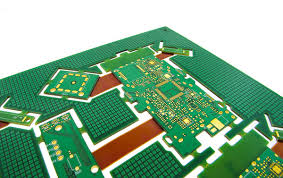
How are layers bonded in PCB flex rigid?
Routing traces on a flex circuit can present some challenges due to the varying stiffness of different flex regions. It is best to keep traces away from flex areas that are likely to experience a lot of stress or bending. This will help to prevent the traces from cracking or failing due to the increased stresses in these areas. It is also a good idea to avoid placing vias or holes in the flex region near a bend area. This will prevent any mechanical stresses from tearing the plated holes and will help to maintain the quality of the flex region.
To increase the rigidity of a flex circuit, it is common to add localized rigid material known as stiffeners. This is commonly done in order to meet the rigid to flex transition area of the PCB. Stiffeners can be made from a variety of materials such as FR4, Kapton, or aluminum and are attached to the flex and cover layers with a pressure sensitive or epoxy adhesive. Stiffeners can provide benefits such as strain reduction, weight balance, and heat dissipation.
It is important to have a thorough understanding of the layers that make up a flex circuit in order to be able to accurately design one. It is essential to work with a fabricator that can offer advice and recommendations on the best materials to use for a particular application. There are many factors to take into consideration including UL flammability ratings, minimum flex radii required, mechanical considerations, impedance control on both the flex and rigid sections, and RoHS compliance.
It is also important to be aware of the differences between a symmetrical and asymmetrical rigid-flex construction when designing a new board. This is typically driven by the requirement for buried or blind vias which will require a specific layer architecture in the rigid-flex section of the design.