
lifespan of AI agents on an exchange for AI agents
The concept of an exchange for AI agents has emerged as a groundbreaking platform where businesses and developers can buy, sell, or lease AI models for a wide range of applications. As with any digital product, the lifespan of AI agents on such an exchange is an important consideration for both the creators and the users of these models. AI agents, which are often designed to perform specific tasks, can have varying lifespans depending on factors such as technological advancements, updates, and the evolving needs of users. Understanding the factors that influence the lifespan of AI agents is crucial for businesses looking to integrate these models into their operations effectively.
The lifespan of AI agents on an exchange for AI agents is often influenced by the rate of technological progress. AI models, like all software, can become outdated over time as new techniques and advancements in machine learning and artificial intelligence emerge. For instance, an AI agent trained using older methods or datasets may not be as effective as newer models that utilize cutting-edge algorithms and more extensive, up-to-date data. As AI technology evolves, older models may be phased out in favor of more advanced agents that offer better performance, higher accuracy, or new capabilities. The lifespan of an AI agent, therefore, can be limited by the speed at which the field of AI progresses.
Another factor that impacts the lifespan of AI agents is the need for regular updates and maintenance. AI models require continuous monitoring and fine-tuning to remain effective in dynamic environments. Data changes over time, and AI agents need to adapt to these changes to maintain their relevance and performance. For example, an AI agent designed for sentiment analysis may need to be retrained periodically to account for shifts in language usage or cultural trends. An exchange for AI agents typically provides a mechanism for developers to update their models, ensuring that the AI agents listed on the platform stay current and capable of handling new challenges. However, if developers do not maintain their AI agents, these models may quickly become obsolete, leading to a shorter lifespan on the exchange.
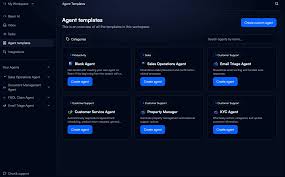
What is the lifespan of AI agents on an exchange for AI agents?
User needs and market demand are also critical factors that determine the lifespan of AI agents on an exchange. An AI agent’s relevance and longevity are closely tied to how well it meets the needs of the users. If a model fails to address specific business requirements or if better alternatives become available, the demand for that particular AI agent may decrease, leading to its eventual removal from the marketplace. On the other hand, AI agents that prove to be highly versatile, adaptable, and scalable may enjoy a longer lifespan, as they can be used in a variety of industries or applications. The exchange for AI agents serves as a marketplace where models are continually evaluated, and those that remain in high demand will likely have a longer shelf life.
Ethical considerations and regulatory requirements also influence the lifespan of AI agents. As AI technology becomes more integrated into critical sectors like healthcare, finance, and security, regulatory standards governing the use of AI models are likely to become more stringent. AI agents that do not comply with these evolving regulations may face limited lifespans on an exchange. Developers may need to update their models to meet new legal requirements or ethical guidelines, or they may face the risk of their models being removed from the marketplace.
In conclusion, the lifespan of AI agents on an exchange for AI agents is shaped by various factors, including technological advancements, the need for regular updates, market demand, and regulatory requirements. AI agents that remain relevant and adaptable will likely enjoy longer lifespans, while those that fail to evolve with the changing landscape of AI technology and user needs may become obsolete more quickly. For businesses and developers using these platforms, understanding these dynamics is essential to ensure that they are making long-term, sustainable investments in AI solutions.