WorldAnimalFoundation.org is reader-supported. When you buy through links on our site, we may earn an affiliate commission. Learn More
Did you know that some dogs can weigh as much as a grown adult or stand taller than a child? These gentle giants aren’t just big—they’re massive!
Big dogs come with big hearts, making them some of the most loyal and loving companions around. But be warned—owning one means more space, more food, and a whole lot of fur!
From legendary guardians to working dogs built for endurance, these colossal canines have fascinating histories. Some were bred to hunt, others to rescue, and a few simply to impress with their sheer size!
But don’t let their size fool you—many of these breeds are surprisingly affectionate and gentle. They may look intimidating, but they’re often the biggest cuddle bugs.
Ready to meet these towering titans of the dog world? Let’s dive into the 10 biggest dog breeds that will leave you in awe!
10 Biggest Dog Breeds in the World
1. Irish Wolfhound
Meet the tallest dog breed in the world! The Irish Wolfhound is a towering yet gentle giant, originally bred to hunt wolves and protect homes in ancient Ireland. Despite its intimidating size, this breed is known for its calm and affectionate nature.
As a working dog, it’s incredibly strong yet surprisingly graceful. These giant breeds typically have a deep bond with their families, making them excellent companions. However, their short lifespan of around 6-8 years is a heartbreaker.
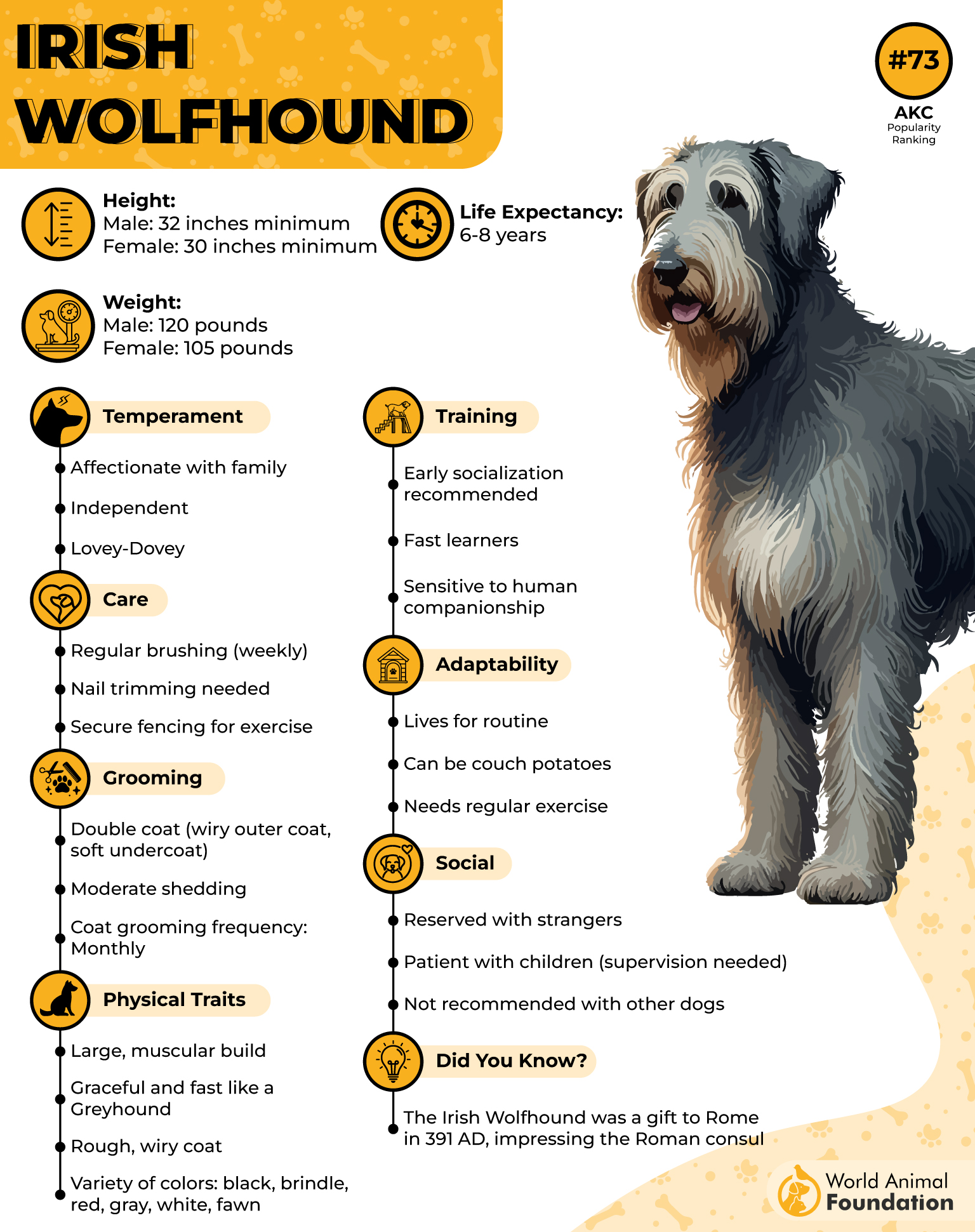
With a rough, wiry coat, they need minimal grooming—just weekly brushing and the occasional bath. Their large-breed physique does require ample space, so apartment living isn’t ideal.
AKC adds that it is a big dog breed with a big appetite; they need high-quality, protein-rich food to maintain their lean muscles. Proper portion control is crucial to avoid bloat, a common issue among giant dogs.
Despite their size, they are easygoing and trainable, though their independent streak can make recall a challenge. Positive reinforcement works best with these powerful dogs.
Irish Wolfhounds are moderately active—a few daily walks and occasional sprints keep them happy. Their sheer size means they should avoid excessive jumping, as their joints are prone to wear and tear.
Fun fact: These recognizable giant breeds were once gifted to Roman emperors as war dogs. Today, they’re giant companions who prefer snuggles over battle!
2. Great Dane
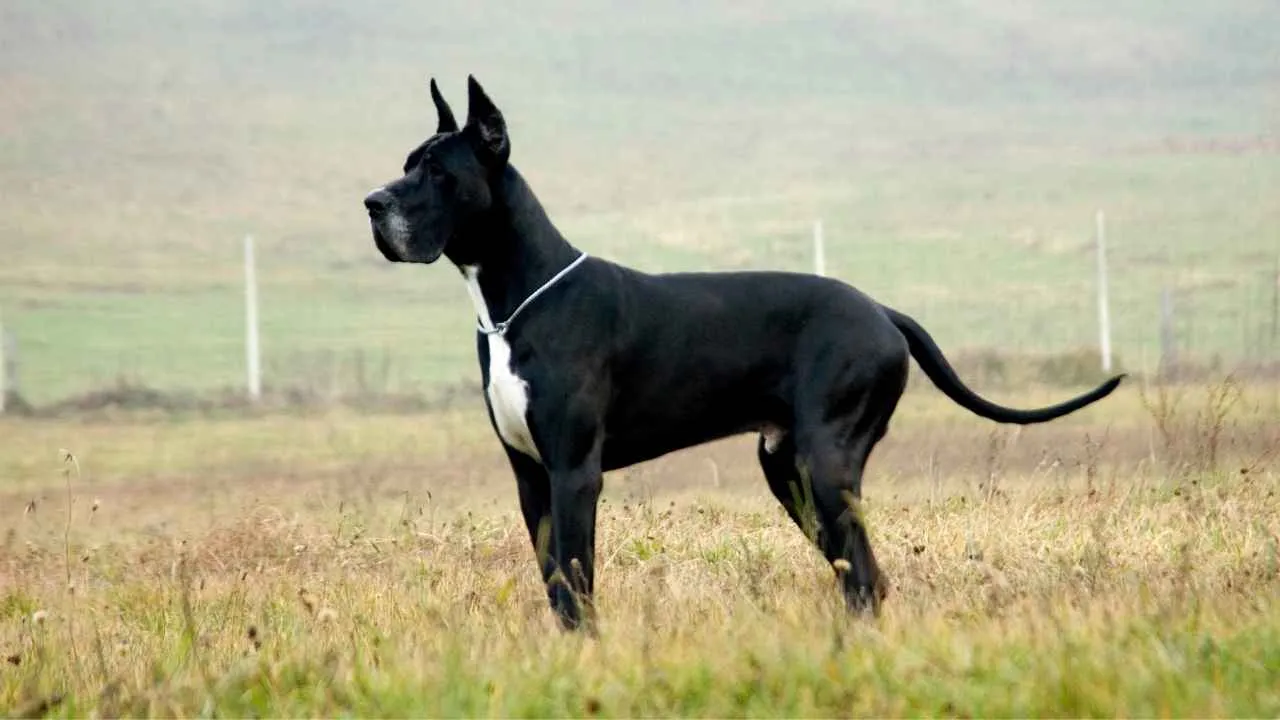
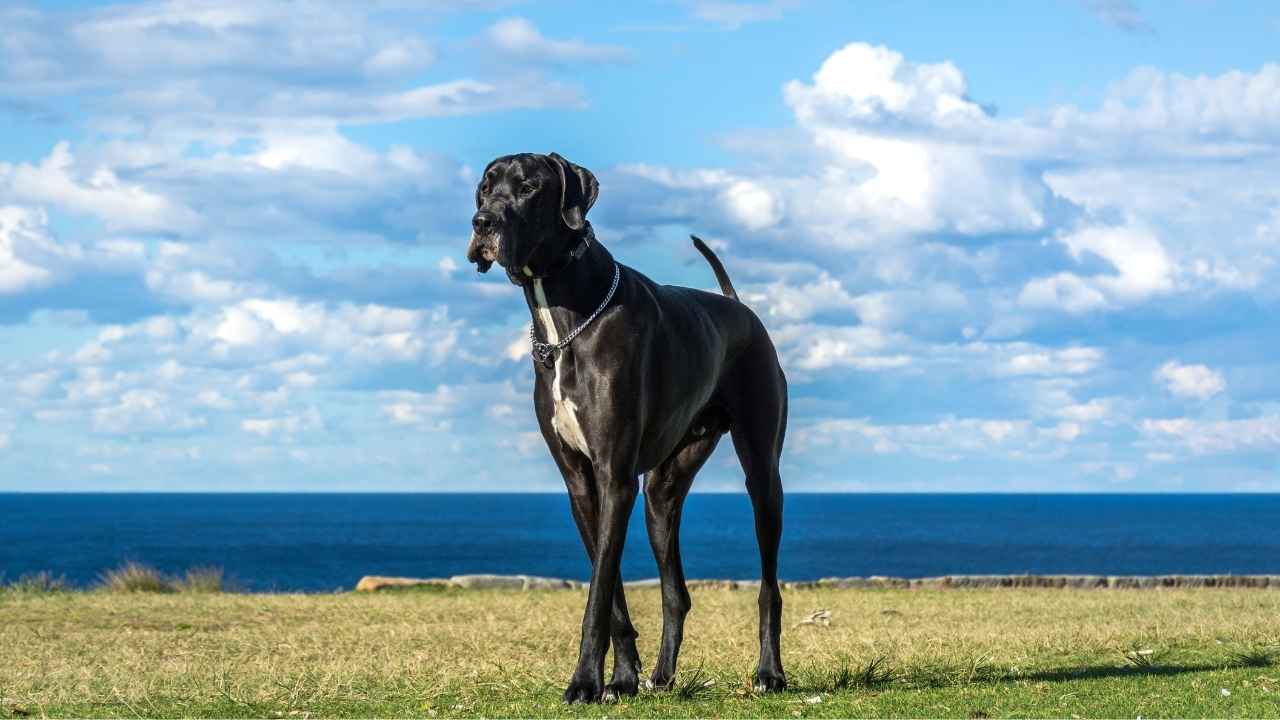
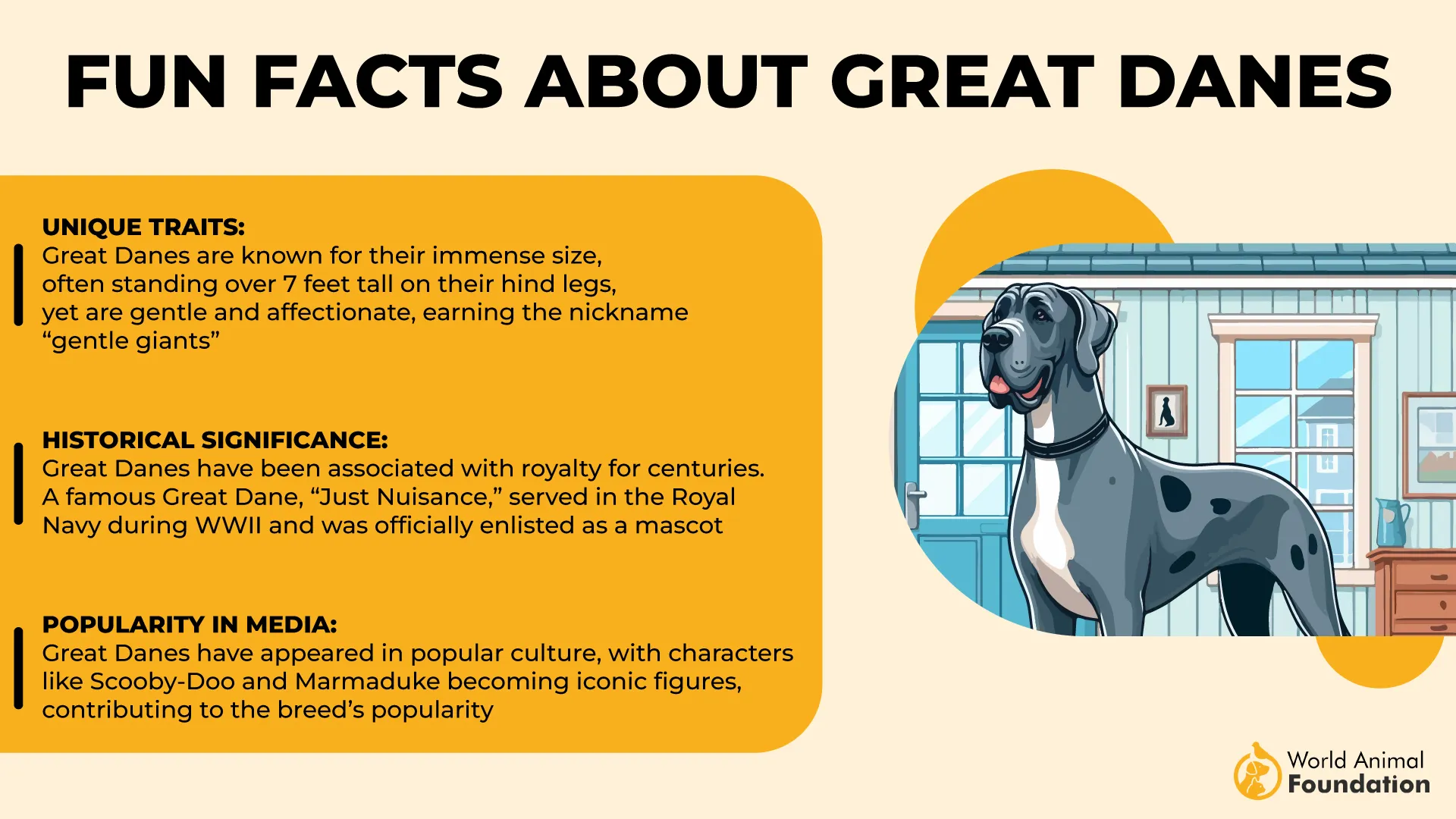
A true gentle giant, the Great Dane is one of the tallest dog breeds, often towering over its owners when standing on its hind legs! Originally bred in Germany for hunting wild boars, this giant breed dog is now a loyal family companion.
Despite their intimidating dog appearance, Danes are affectionate and love to cuddle. They crave human interaction and don’t do well when left alone for long periods. These big dog breeds are also surprisingly sensitive!
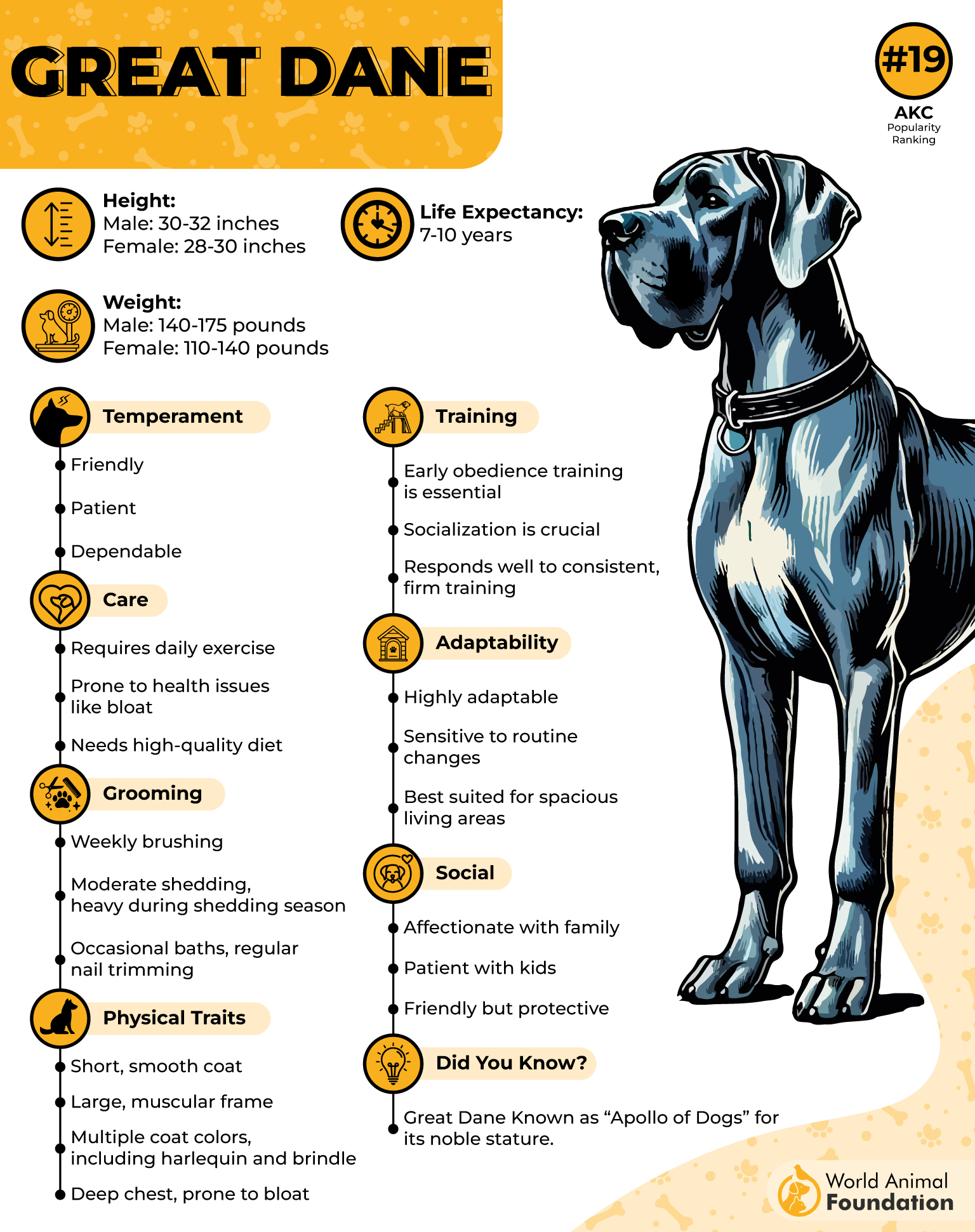
With their short, sleek coat, grooming is a breeze—just weekly brushing and occasional baths. However, their large breed size means they require big spaces and a soft bed to support their joints.
A giant dog needs fuel! A well-balanced diet rich in protein and healthy fats keeps them strong. Slow-feed bowls help prevent bloat, a dangerous condition common in bigger dogs.
Training is crucial—while eager to please, they can be stubborn. Socialization from puppyhood ensures they grow into well-mannered giant companions. Their size makes leash training a must!
Despite their towering frame, they’re not overly energetic. A few short walks and some playtime keep them content. Over-exercising as puppies can damage their developing joints.
Fun fact: A Great Dane named Zeus holds the record as the tallest dog ever, standing at a whopping 44 inches!
3. Saint Bernard
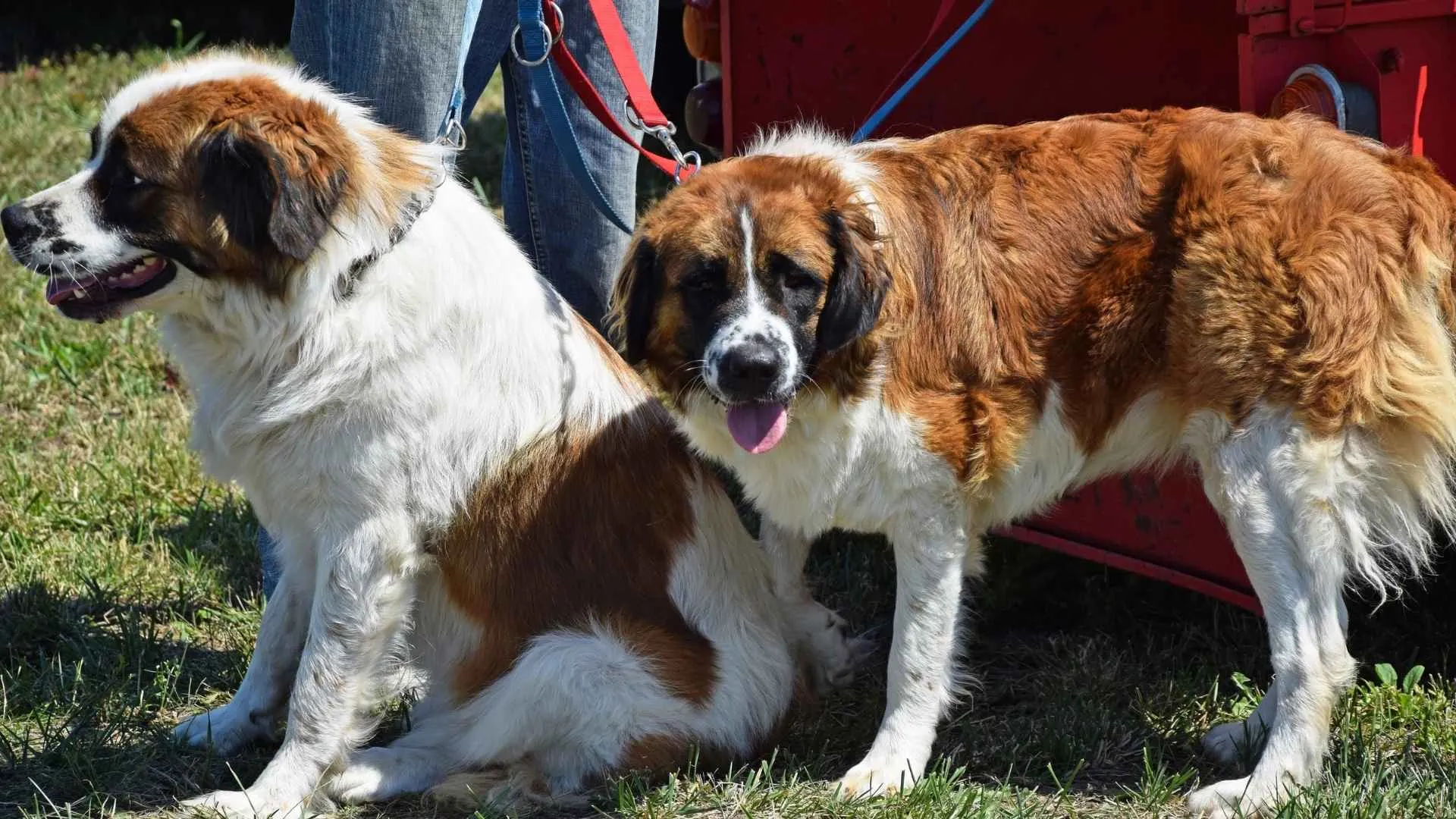
A legendary mountain dog, the Saint Bernard is famous for its heroics in Alpine rescues. Originating from the Swiss Alps, this recognizable giant breed was bred to locate and save lost travelers in treacherous snowstorms.
Their strong, breed physique is matched by an even bigger heart. These gentle giants are patient, loving, and great with children, making them excellent family dogs. But their size means they need plenty of space!
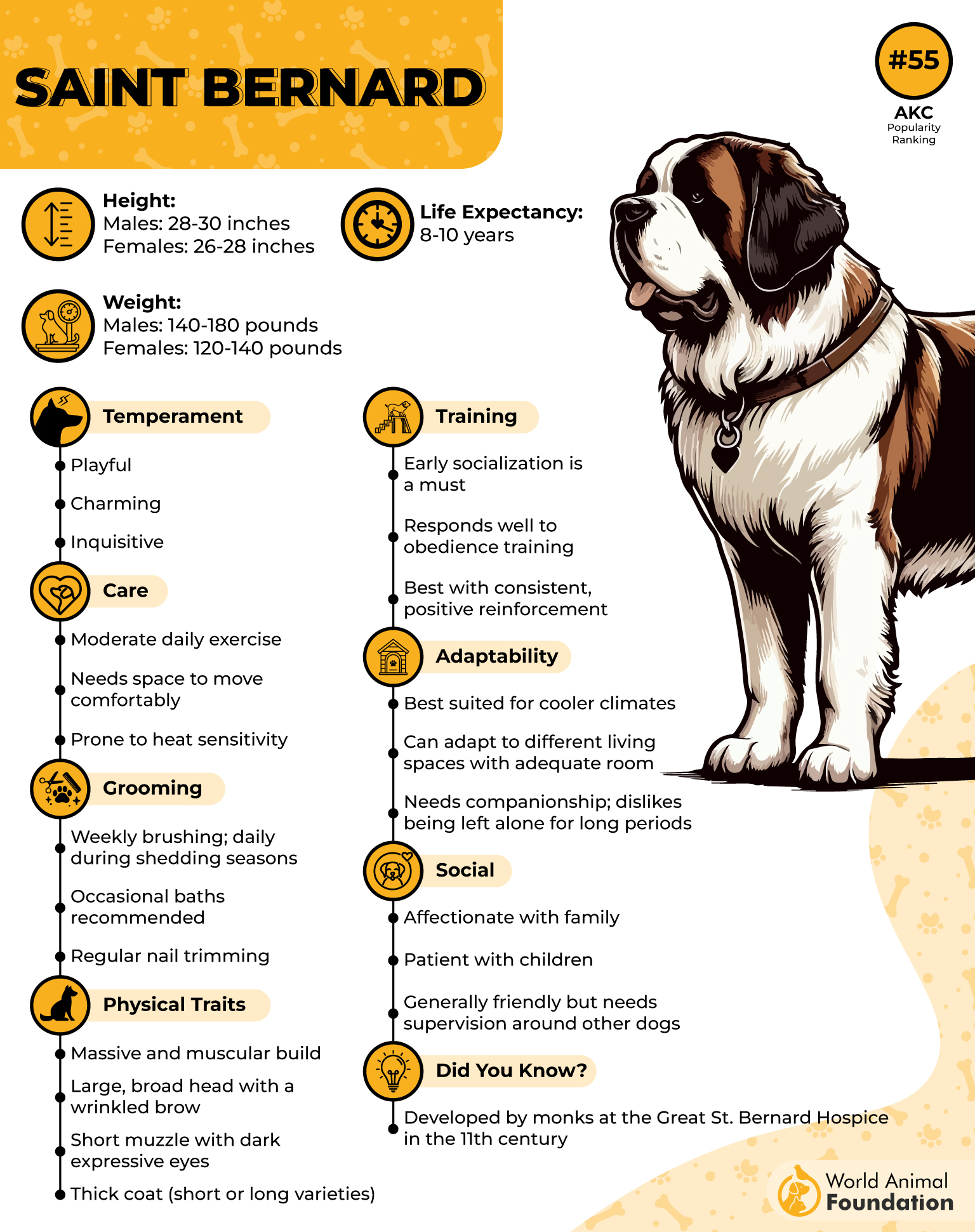
PDSA warns that with a thick double coat, Saint Bernards shed a lot. Regular brushing keeps their fur under control, but drool? That’s unavoidable! A bib might become your new best friend.
This large dog breed thrives on a nutrient-dense diet to support their massive frame. Overfeeding can lead to obesity, which strains their joints and shortens their lifespan.
Though intelligent, their stubborn streak can make training a challenge. Early socialization and positive reinforcement are key to handling these giant breeds.
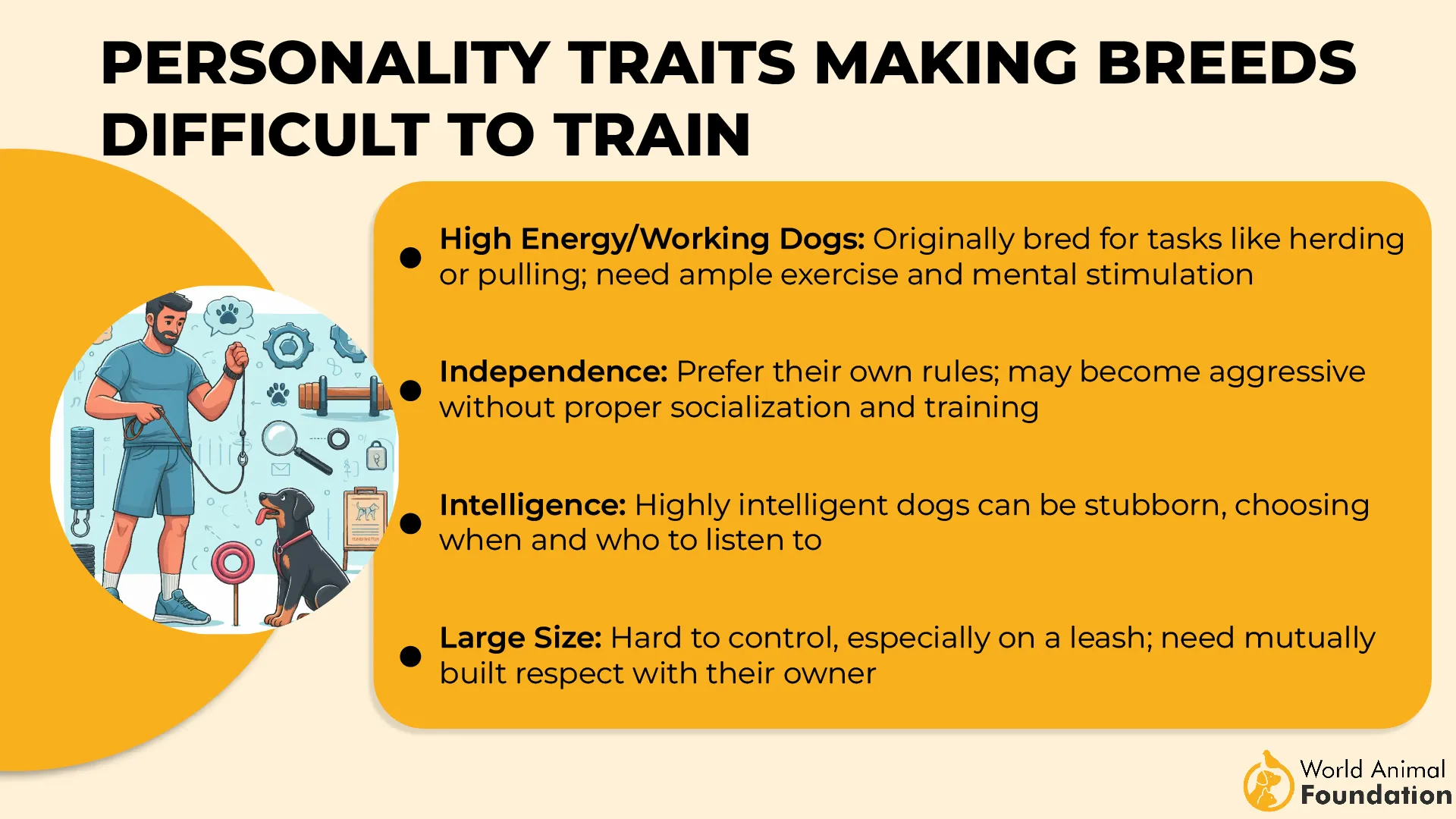
Saint Bernards aren’t high-energy, but they do need moderate exercise to stay fit. Long walks and gentle play sessions suit them best—no marathon runs are needed!
Fun fact: The iconic image of a Saint Bernard carrying a brandy barrel is a myth—but they really did save lives in the Alps!
4. Neapolitan Mastiff
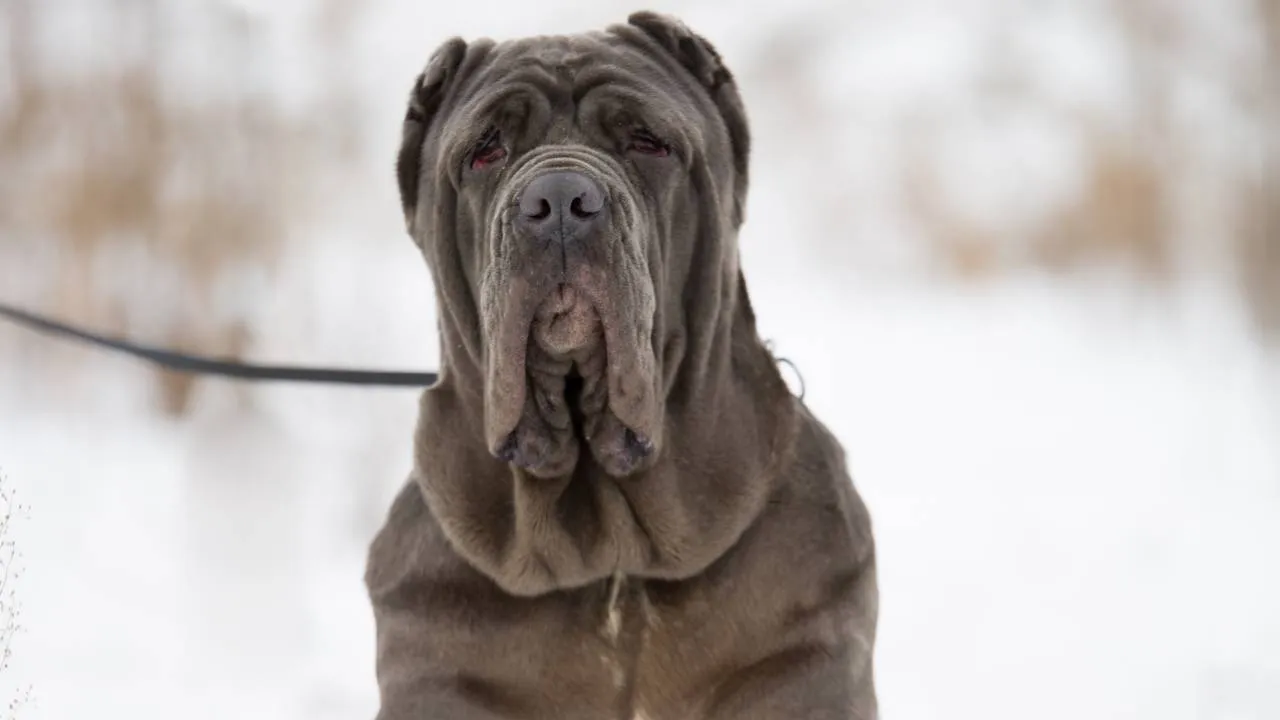
The Neapolitan Mastiff is the ultimate intimidating dog—massive, muscular, and covered in deep wrinkles. This ancient giant breed dates back to Roman times when it was used as a war dog and guardian.
Despite their powerful breed look, these giant companions are loyal and surprisingly affectionate. They form strong bonds with their families but are naturally wary of strangers, making them excellent protectors.
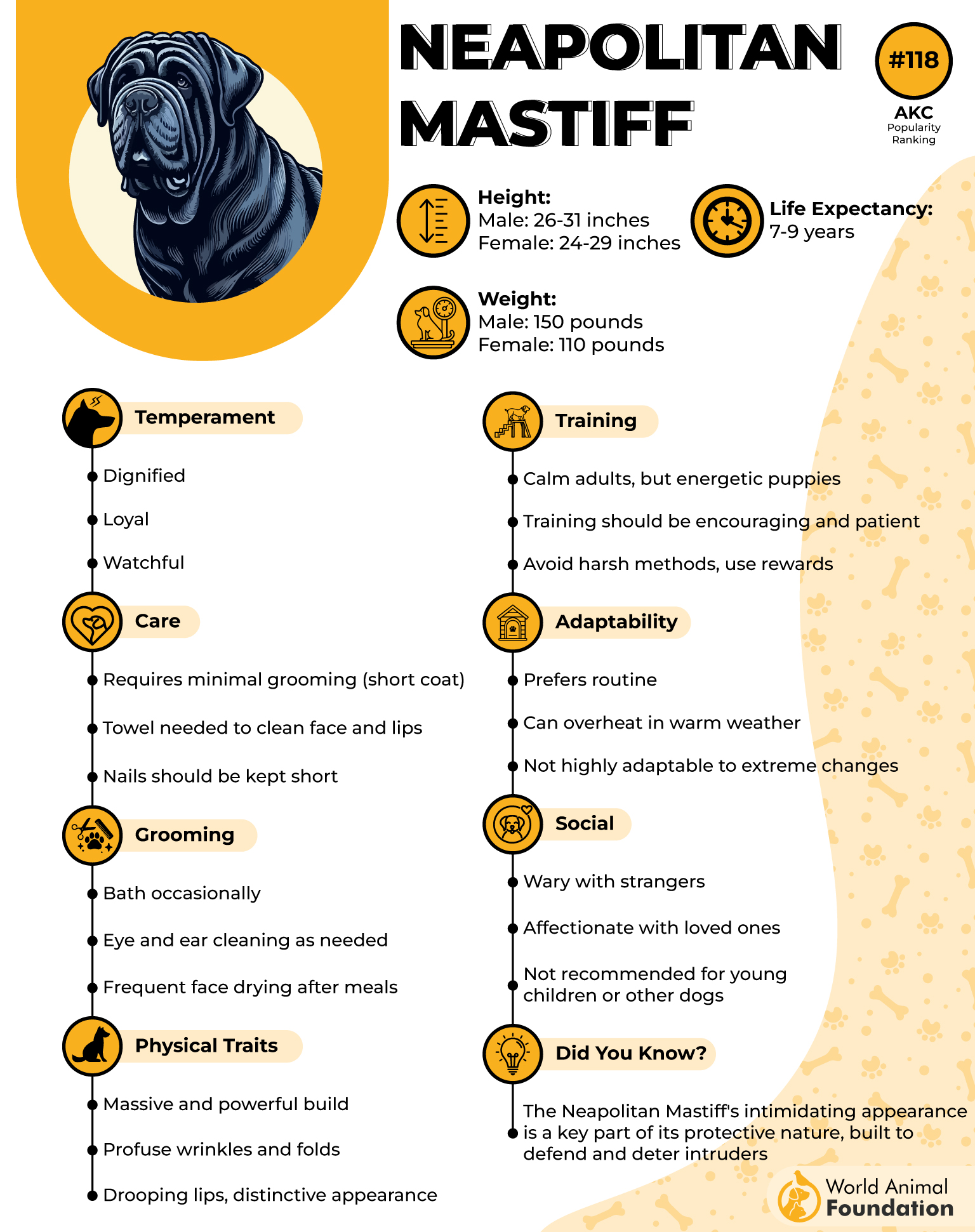
Their thick, loose skin gives them a distinctive appearance, but those folds require regular cleaning to prevent infections. Their short coat is low maintenance, but be prepared for a lot of drool!
A big dog with a big appetite needs a well-balanced diet to maintain muscle mass. Overfeeding leads to obesity, which puts extra strain on their joints.
Training a Neapolitan Mastiff requires patience. They’re intelligent but independent, so firm yet positive training is crucial. Early socialization prevents unwanted aggression.
Exercise needs are moderate—short walks and gentle play sessions are enough. These large breeds overheat easily, so they prefer lounging in the shade to running marathons.
Fun fact: Neapolitan Mastiffs were the inspiration for Hagrid’s dog, Fang, in Harry Potter!
5. Newfoundland
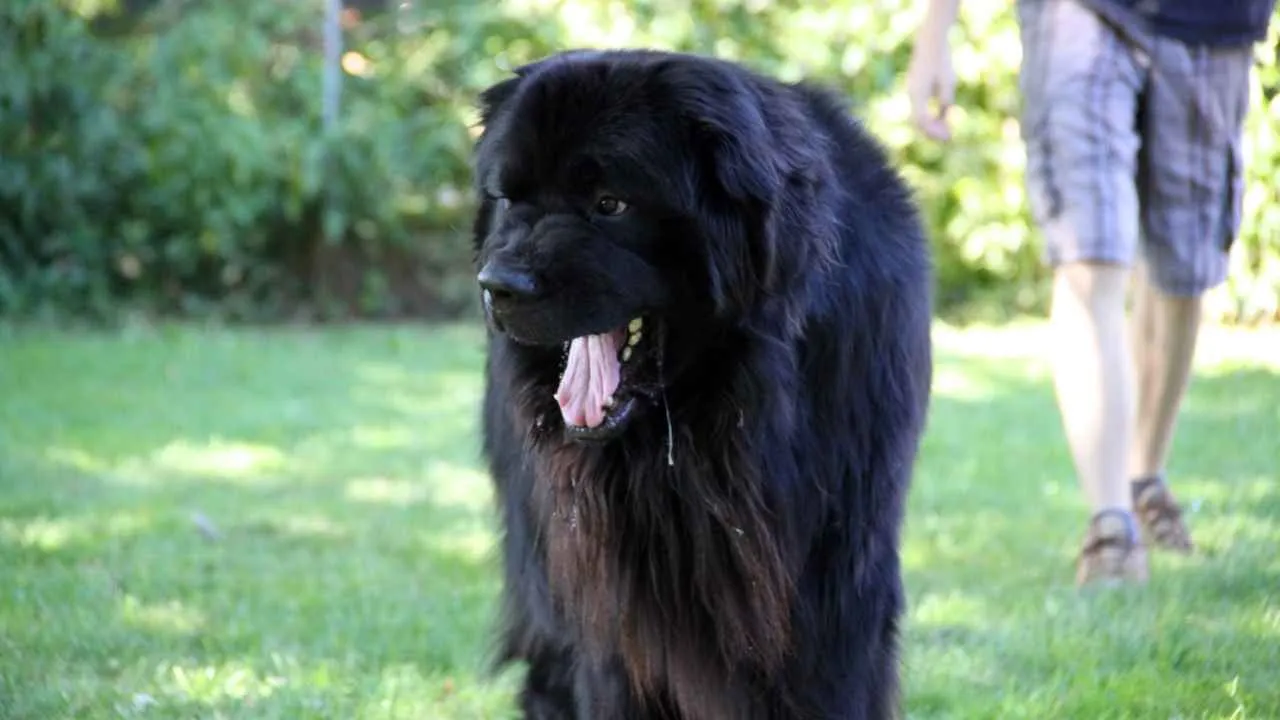
The Newfoundland is a gentle giant with a heart as big as its massive frame. Originally bred as a working dog, this mountain dog is famous for its water rescues, thanks to its webbed feet and incredible swimming skills.
Britannica reveals that these large dog breeds are calm, affectionate, and fantastic with children—earning them the nickname “nanny dogs.” Their patience and loyalty make them one of the best family dogs for those who can handle their size.
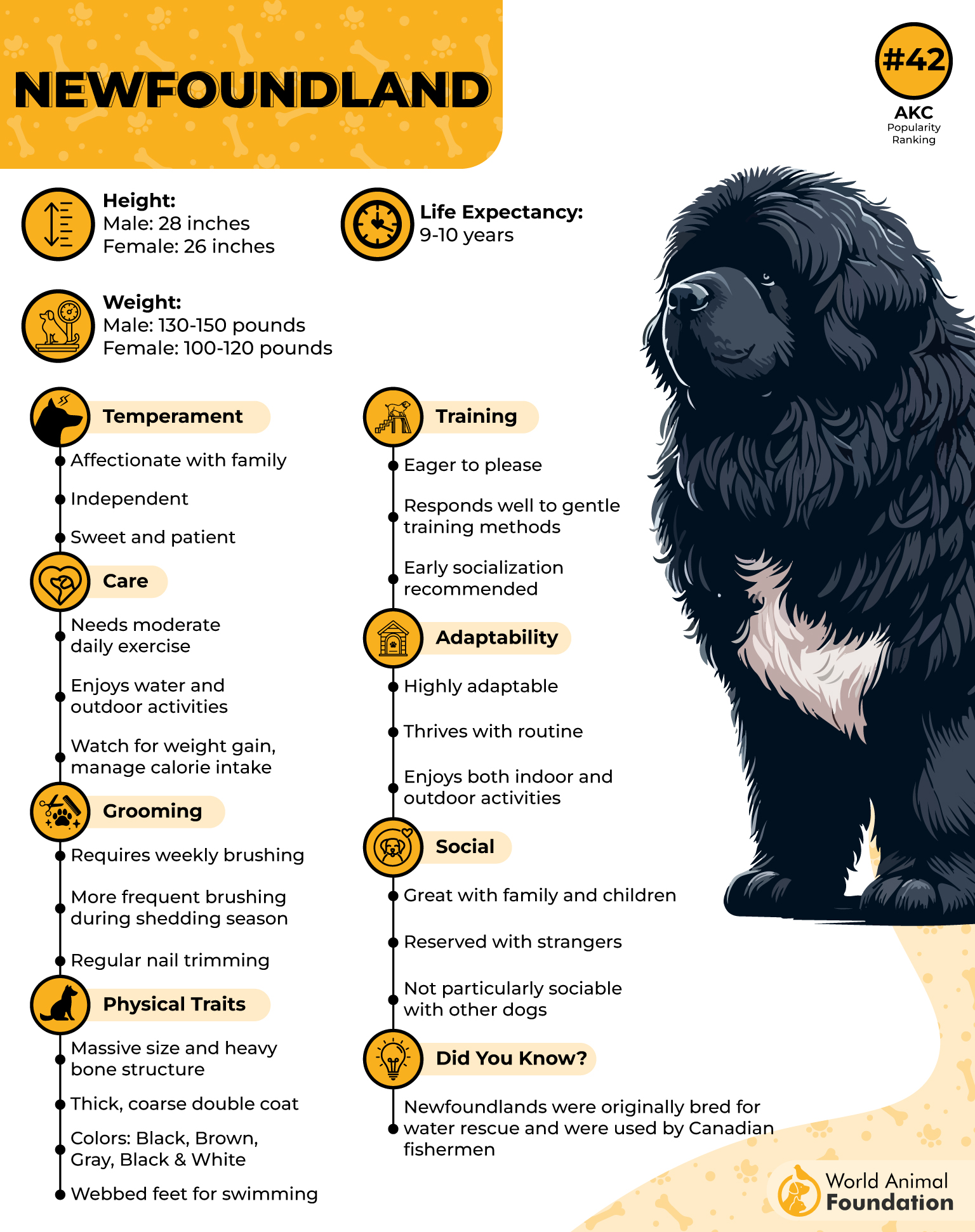
With a thick double coat built for cold waters, Newfoundlands shed heavily and need regular brushing to prevent matting. Bathing is needed occasionally, but drool? That’s a daily occurrence!
They thrive on a protein-rich diet to maintain their muscular build. Proper portion control is key, as they are prone to weight gain, which can stress their joints.
Training is easy—they’re intelligent and eager to please. But their size means early leash training is crucial. Their gentle nature makes them better suited to positive reinforcement methods.
Newfies need moderate exercise—swimming is their favorite activity! Regular low-impact movement helps protect their joints from wear and tear.
Fun fact: A Newfoundland once saved Napoleon Bonaparte from drowning when he fell overboard during his escape from Elba!
6. Leonberger
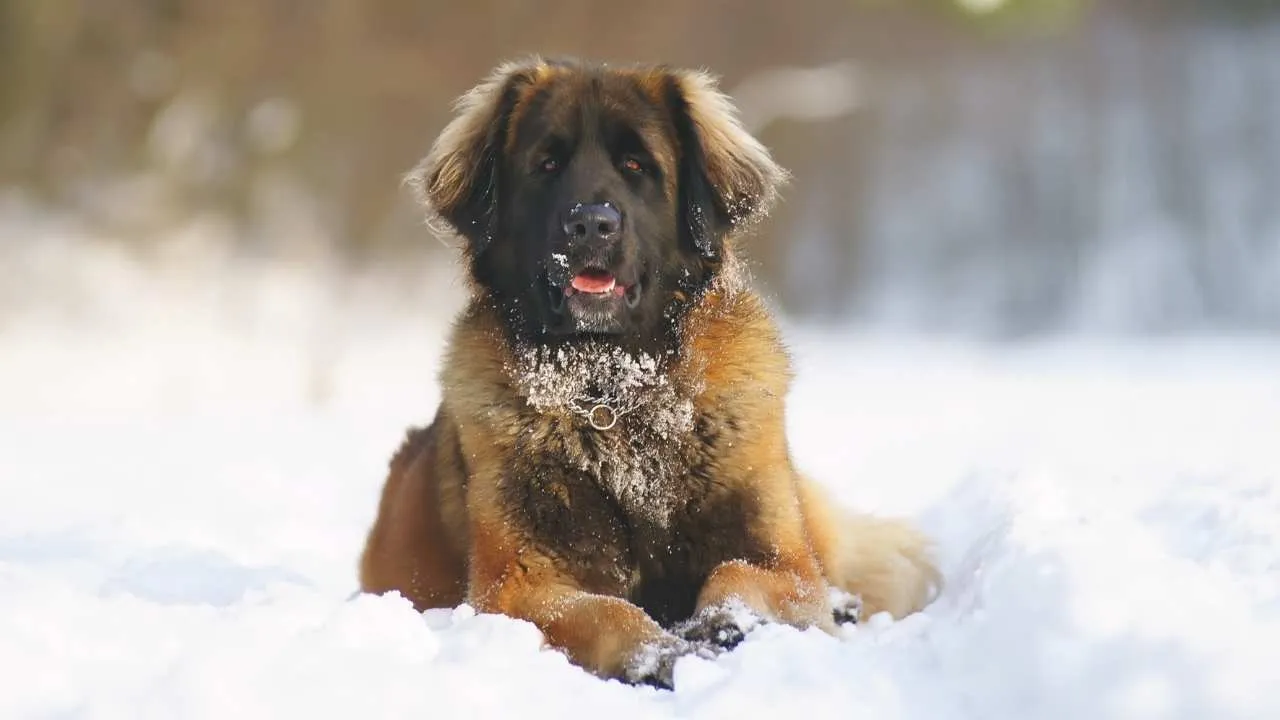
The Leonberger looks like a majestic lion but has the temperament of a lovable teddy bear! Originally bred in Germany, these giant breed dogs were created as a mix of Newfoundland, Saint Bernard, and Great Pyrenees to resemble the lion on the Leonberg town crest.
Despite their massive size, they are affectionate and great with families. These big dog breeds thrive on human interaction and don’t do well if left alone for long periods.
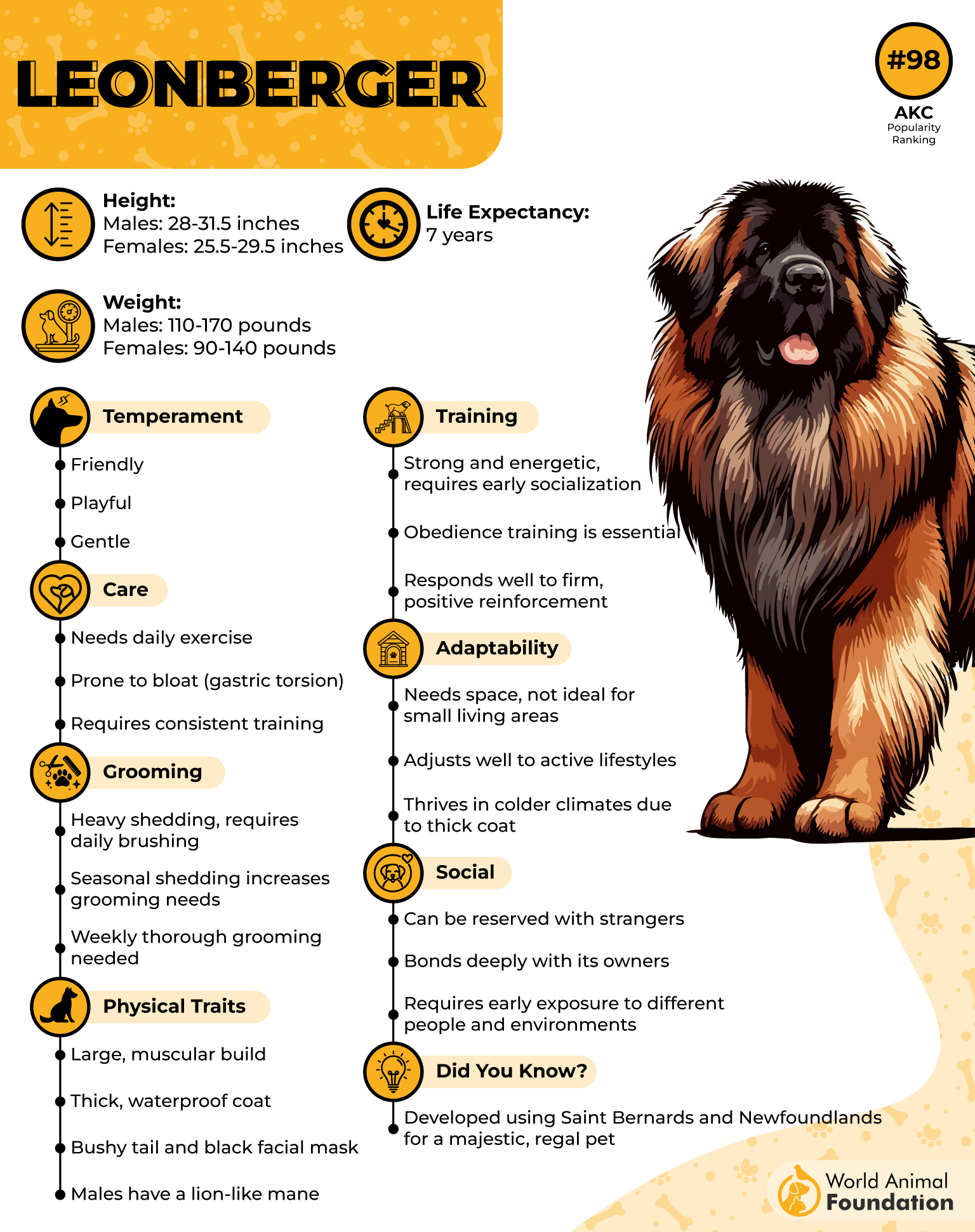
Their thick, water-resistant double coat requires frequent grooming to prevent matting. Regular brushing and occasional baths help manage shedding, but be ready for fur everywhere!
Like other giant breeds, Leonbergers need a nutrient-rich diet with a focus on joint health. Slow-feed bowls can help prevent bloat, a common issue among the biggest dog breeds.
Highly intelligent and eager to please, Leonbergers excel in obedience training. They also make fantastic therapy and rescue dogs due to their gentle demeanor.
They need daily exercise to stay healthy—long walks, hiking, and swimming keep them in peak condition. Mental stimulation is just as important to prevent boredom.
Fun fact: The Leonberger was a favorite of European royalty, with Tsar Alexander II and Napoleon III owning these recognizable giant breeds!
7. Anatolian Shepherd
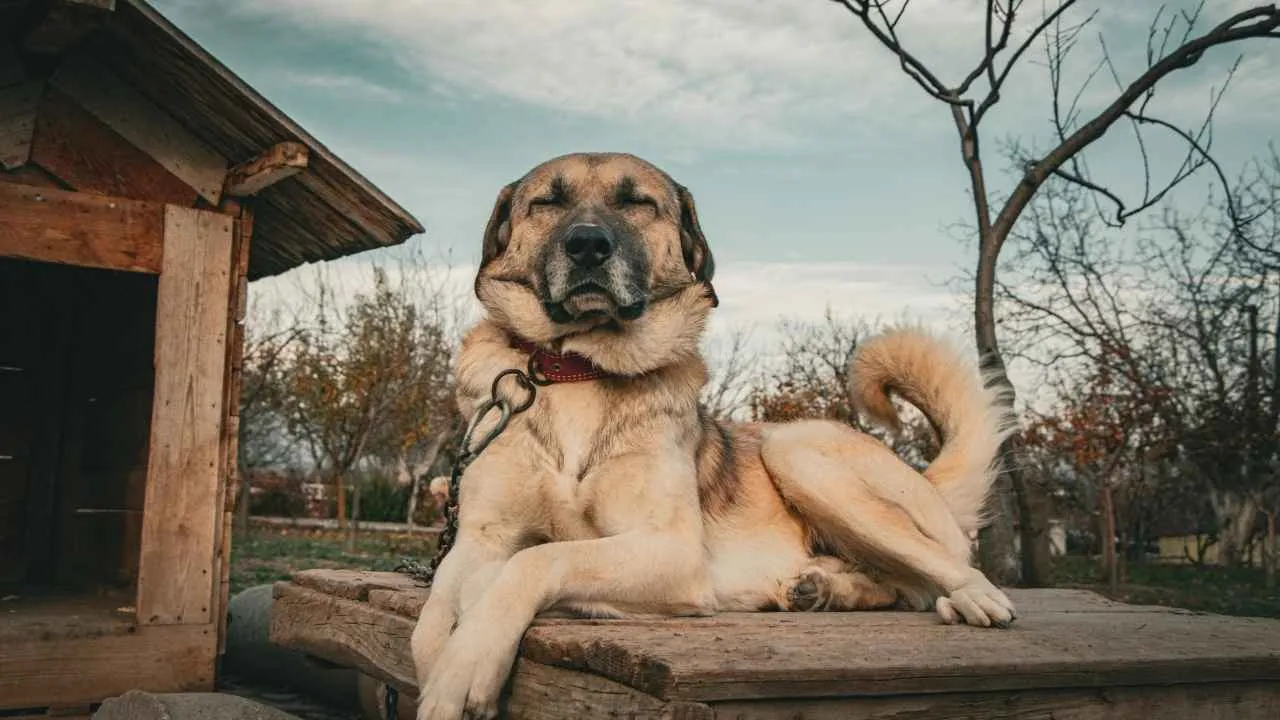
A true guardian dog, the Anatolian Shepherd is a powerful breed with ancient roots dating back thousands of years. Originally from Turkey, they were bred to protect livestock from predators like wolves and bears.
Unlike other giant breeds, these dogs are highly independent and prefer to make their own decisions. While loyal to their families, they are not overly affectionate and thrive with experienced dog owners.
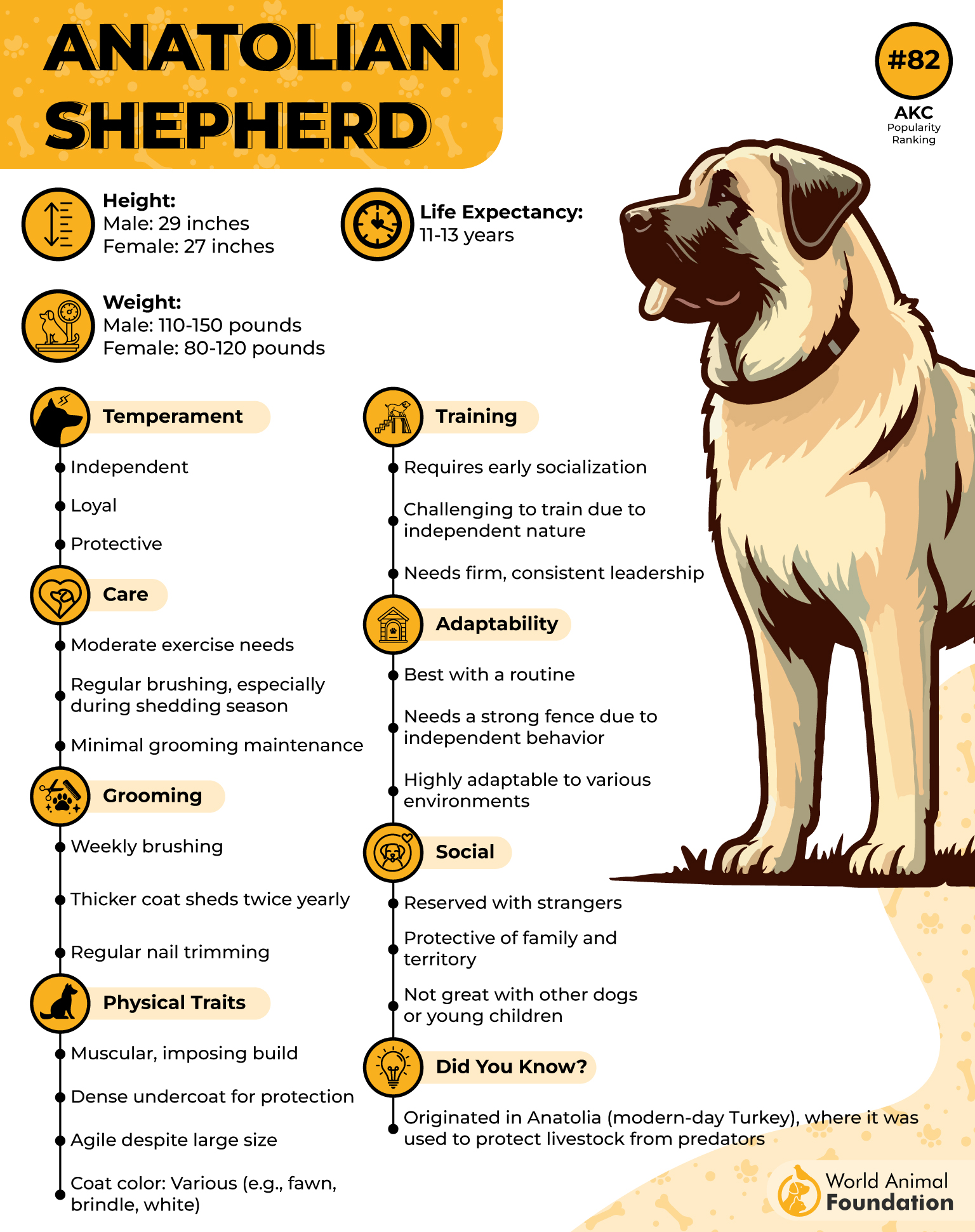
PetMD notes that their short, dense coat is low-maintenance, requiring only occasional brushing. However, they shed seasonally, and regular grooming helps keep the fur under control.
Being a large breed, they need a balanced diet rich in protein and fats. Overfeeding can lead to obesity, which puts extra stress on their powerful legs.
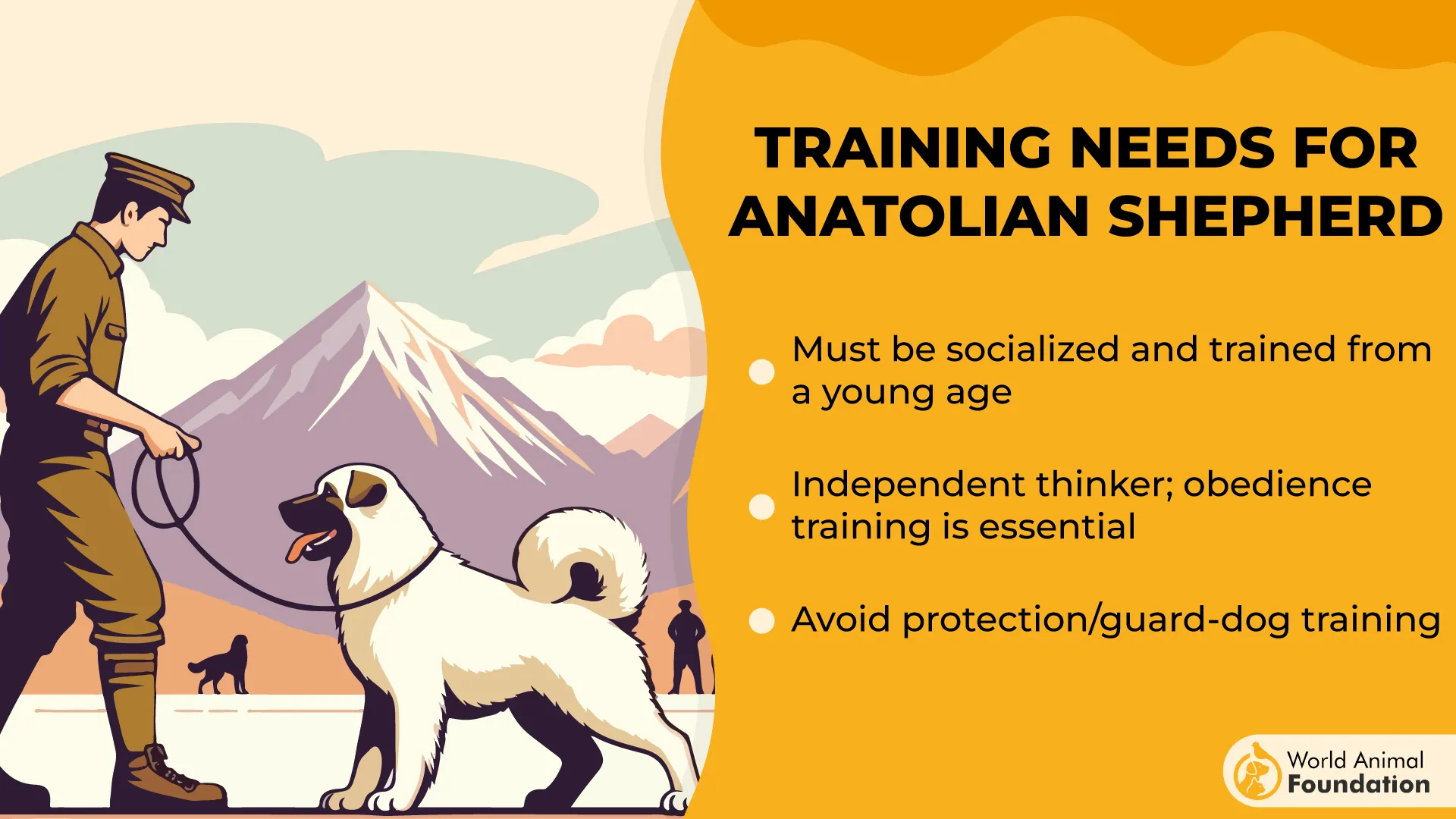
Training an Anatolian Shepherd is challenging—they’re smart but stubborn. Early socialization is crucial to prevent territorial aggression. They need a firm but fair hand in training.
They are highly active and require a large space to roam. Regular exercise is essential, but their natural guarding instincts mean they prefer watching over their “flock” rather than playing fetch.
Fun fact: This intimidating dog is still used today in Africa to protect wildlife from poachers by guarding endangered animals like cheetahs!
8. Great Pyrenees
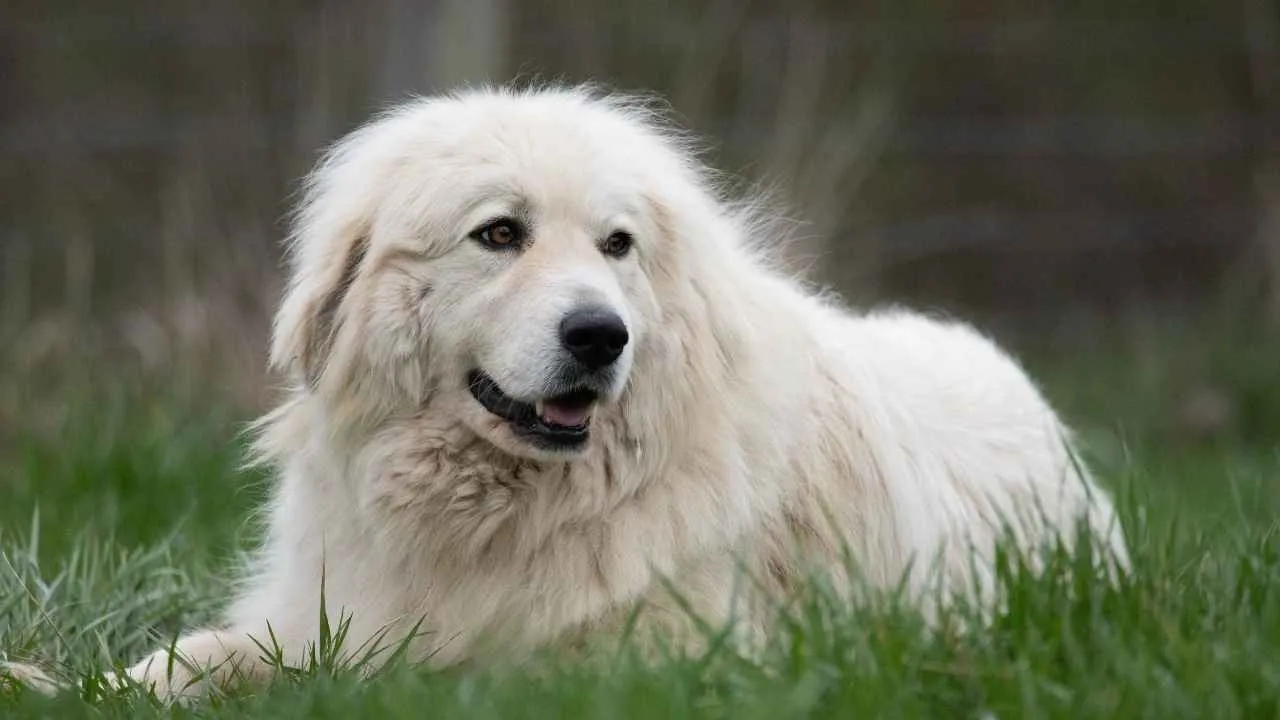
A majestic mountain dog, the Great Pyrenees was bred to guard livestock against predators in the Pyrenees Mountains. These gentle giants are both fearless protectors and affectionate family companions.
Despite their calm demeanor, they are strong-willed and independent—a trait that helped them survive in harsh terrains without human guidance. Early training is essential to manage their stubborn streak.
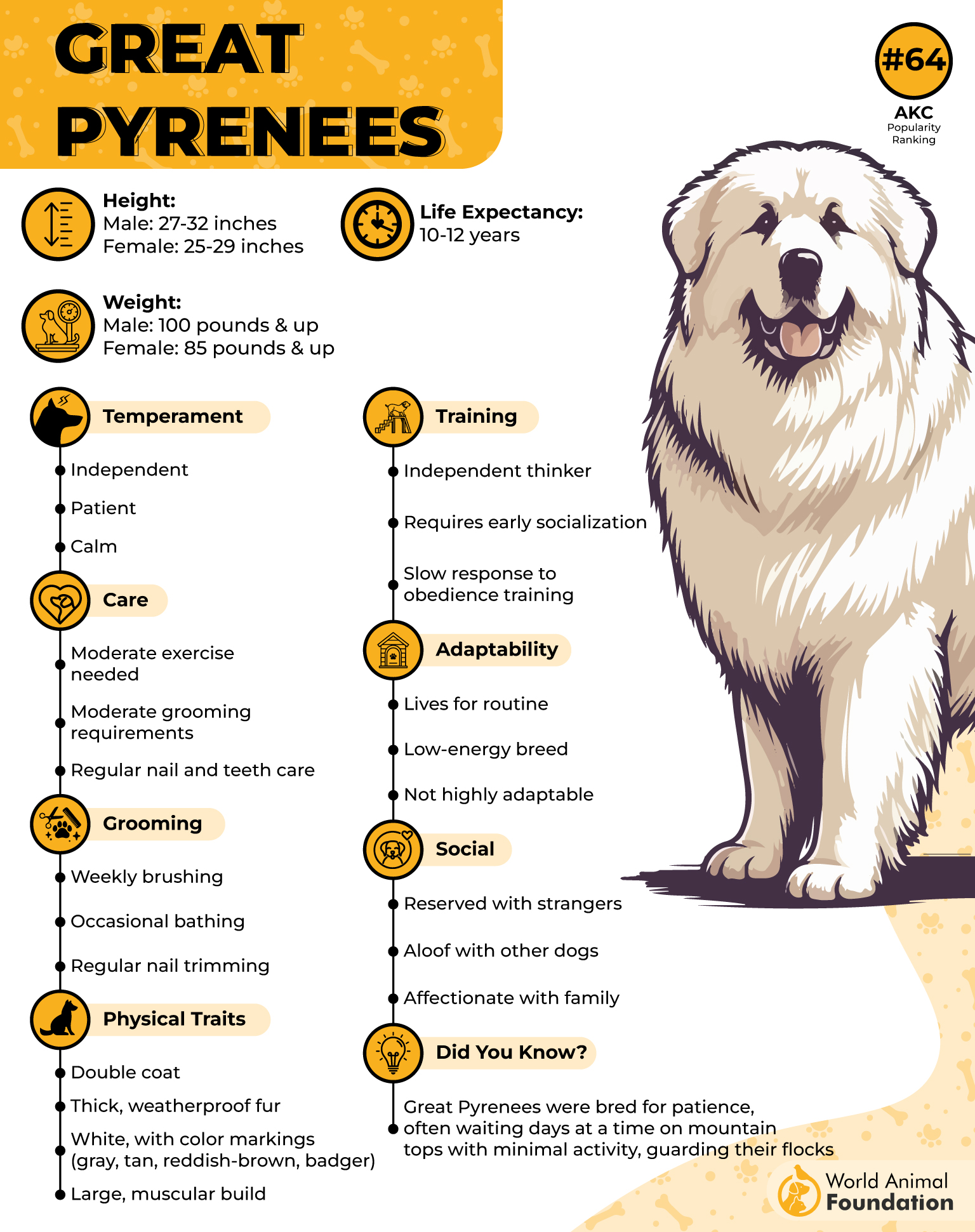
Their thick double coat is built for cold weather but sheds heavily year-round. Regular brushing keeps shedding under control, and baths are only needed occasionally.
As a giant breed, they require a protein-rich diet to maintain muscle mass. Slow feeding helps prevent bloat, a common issue in large dog breeds.
While not overly energetic, they need daily walks and mental stimulation. They love patrolling their territory, so a secure yard is a must for these big breeds.
Unlike some popular giant breeds, Great Pyrenees are naturally nocturnal. They instinctively guard their home at night, so don’t be surprised if they stay alert while you sleep!
Fun fact: Great Pyrenees were once the official royal dog of France, serving as guardians for King Louis XIV’s palace!
9. Tibetan Mastiff
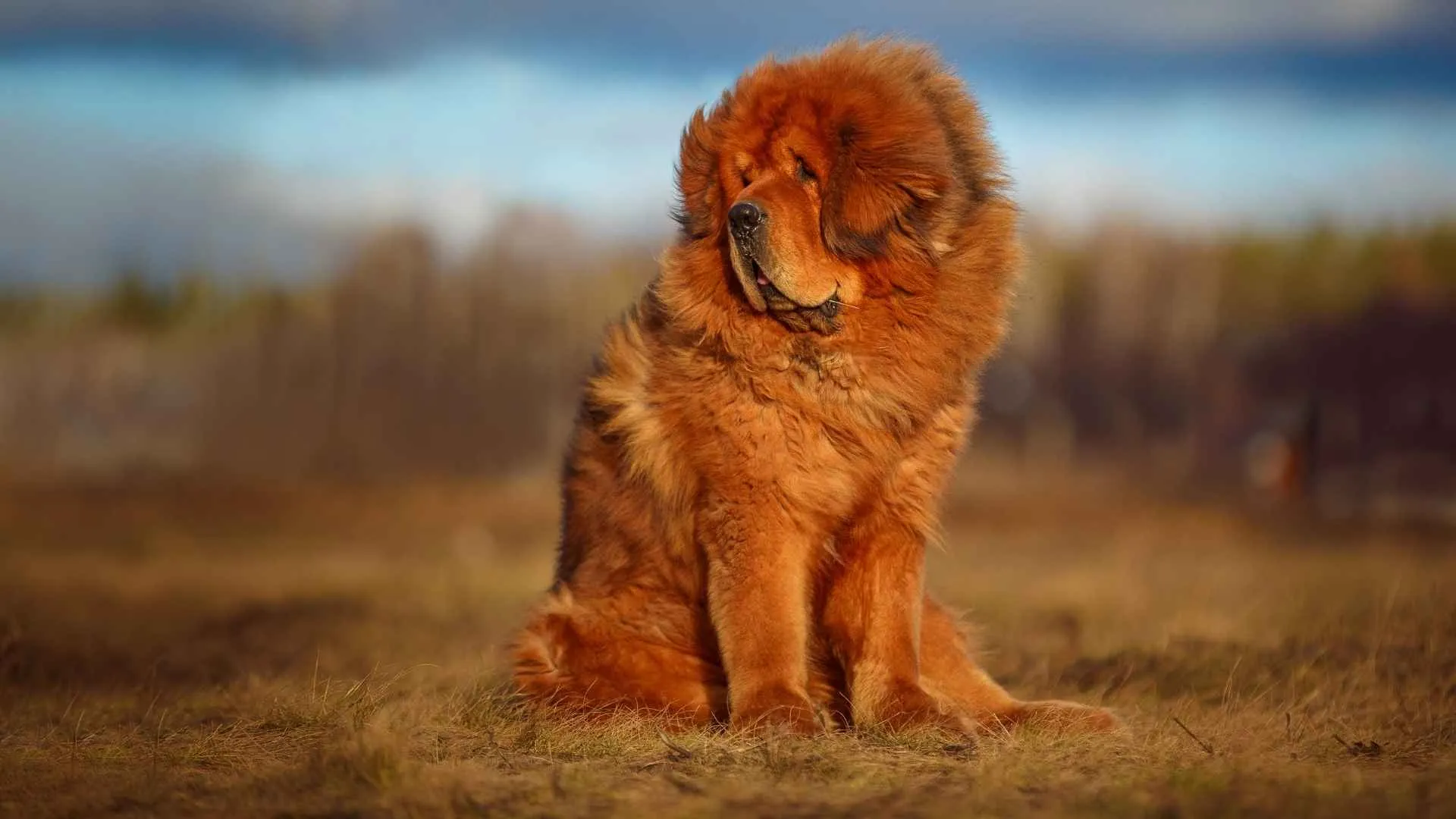
One of the most intimidating dogs, the Tibetan Mastiff is a powerful guardian with ancient roots. Originally bred by Himalayan nomads, these giant breeds were used to protect villages and livestock from wolves and leopards.
Loyal but highly independent, this strong breed isn’t for first-time dog owners. They’re naturally wary of strangers and take their guarding duties seriously. Training must start early to keep their protective instincts in check.
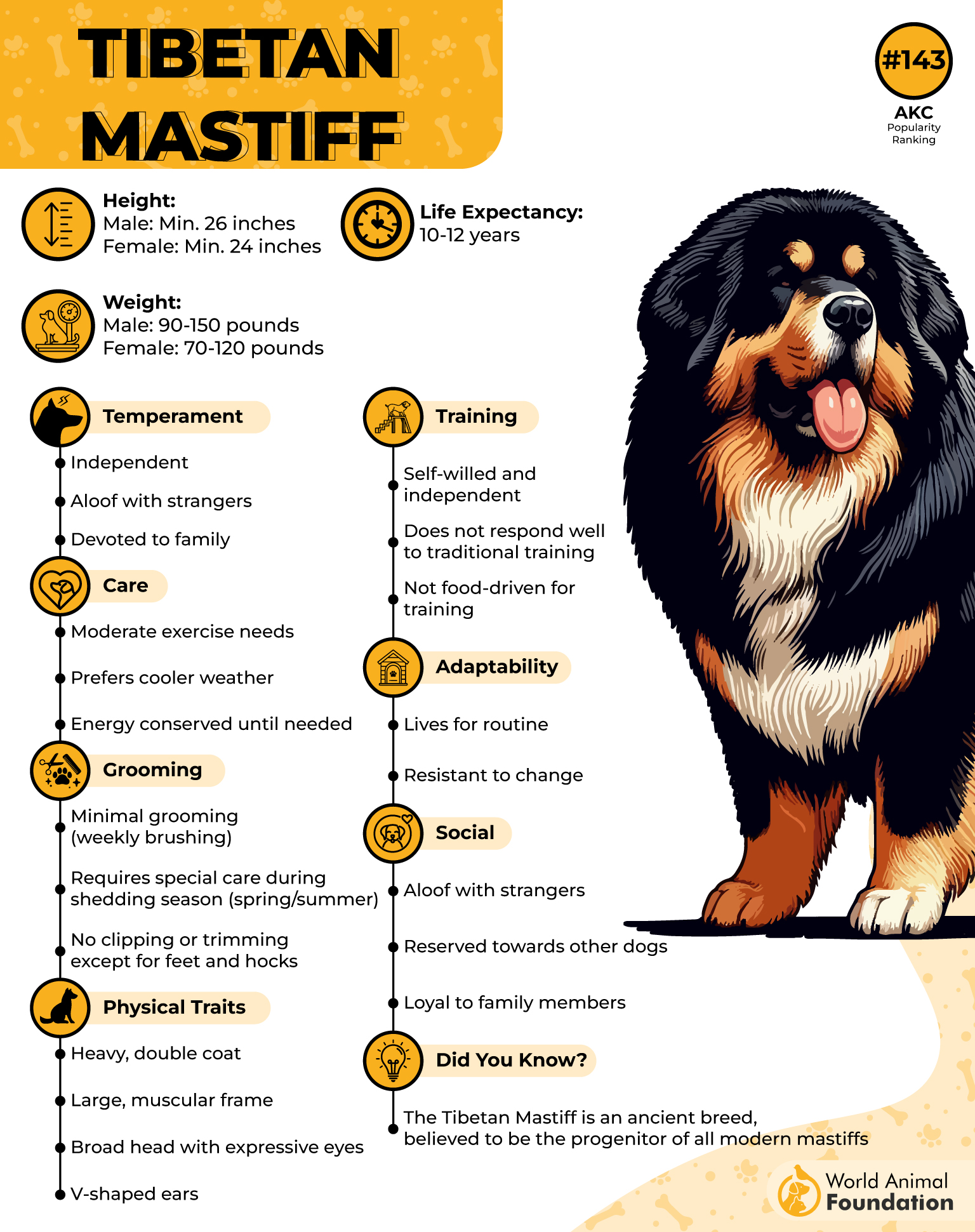
Their thick, lion-like coat requires frequent brushing to prevent matting. They shed heavily once a year, known as “coat blow,” leaving behind mountains of fur!
Unlike most giant-breed dogs, Tibetan Mastiffs don’t eat as much as you’d expect. Their slow metabolism means they thrive on a high-quality diet in smaller portions.
They are not overly active but require space to roam. A securely fenced yard is essential, as these powerful dogs are known escape artists.
Training can be challenging—they prefer to make their own decisions. They respond best to firm, patient leadership rather than strict obedience drills.
Fun fact: Tibetan Mastiffs were once so rare that one was sold for nearly $2 million, making it one of the most expensive dog breeds in history!
10. Dogue de Bordeaux
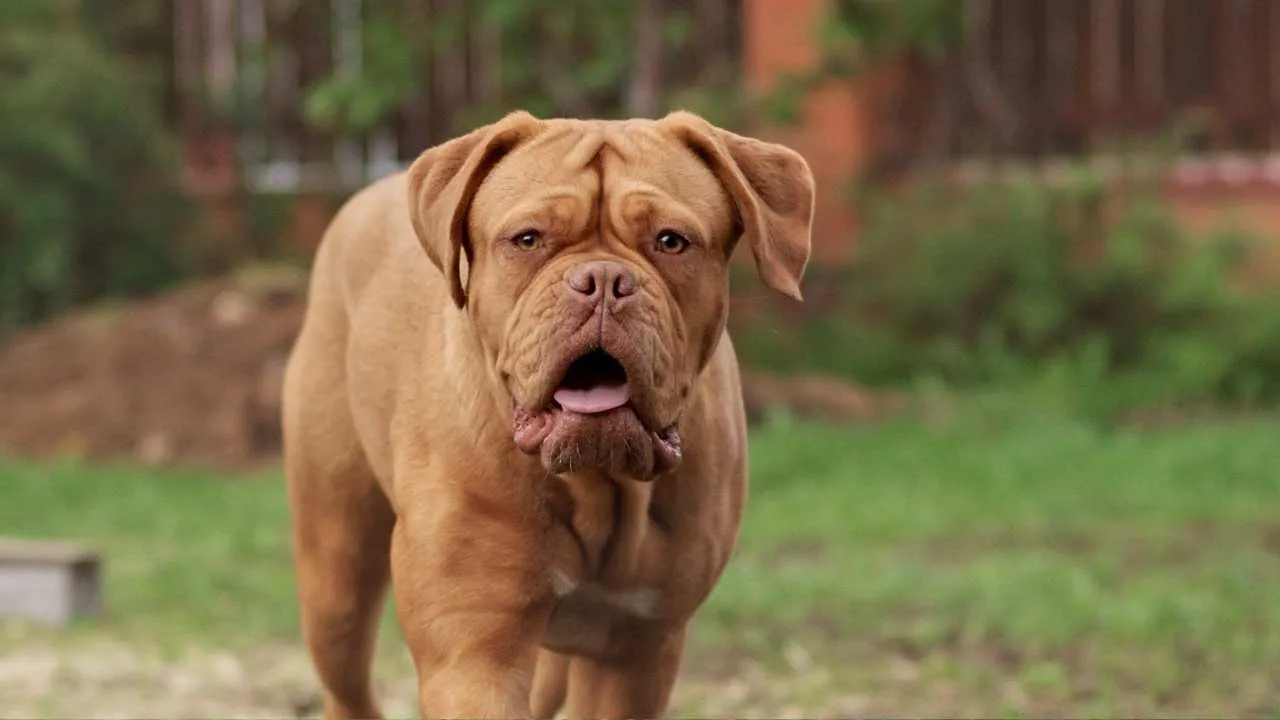
The Dogue de Bordeaux, also known as the French Mastiff, is a giant breed with a stocky build and a deeply wrinkled face. Originally used as a guard dog, this strong breed is both a protector and a devoted family companion.
Despite their intimidating dog look, they are affectionate and form strong bonds with their owners. However, they can be territorial and require early socialization to become well-mannered family dogs.
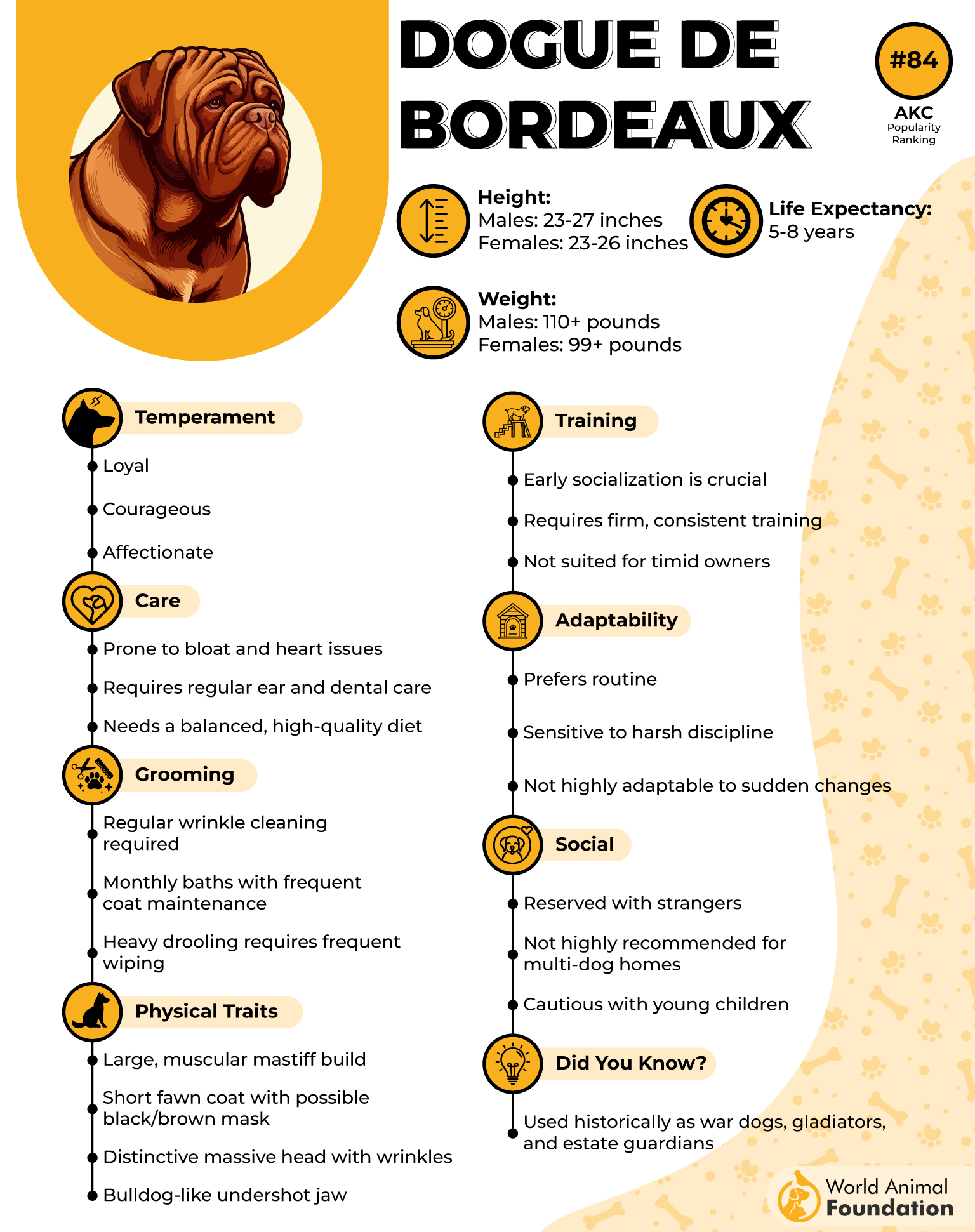
Their short coat is low maintenance, but drool? Expect lots of it! Keeping a towel nearby is essential when living with this big breed.
Purina reveals that they need a high-protein diet to support their powerful muscles. Careful portioning is crucial, as they are prone to obesity, which can strain their joints.
Moderate exercise is best—short walks and gentle play sessions help maintain their health. Overexertion should be avoided, especially in hot weather.
While intelligent, they have a stubborn streak. Training a Dogue de Bordeaux requires patience, consistency, and positive reinforcement.
Fun fact: A Dogue de Bordeaux starred alongside Tom Hanks in the 1989 film Turner & Hooch, making this recognizable giant breed a Hollywood favorite!
Conclusion: Meet Your Next Gentle Giant!
From the tallest dog to the most intimidating dog, these giant companions are proof that bigger is better! Whether you want a working dog, a mountain dog, or a docile breed that just wants belly rubs, there’s a strong breed for everyone.
These powerful breeds may require extra space, food, and drool management, but they give back tenfold with love and loyalty. Their sheer size might be intimidating, but most of them are oversized lap dogs at heart!
We covered some of the biggest and most recognizable breeds, but there are even more giants out there! The English Mastiff, Boerboel, and Black Russian Terrier deserve an honorable mention as breeds far beyond average size.
Thinking of bringing home one of these versatile dogs? Remember—early training, proper nutrition, and regular exercise are key to helping these breeds typically thrive.
If you love breeds of puppies that grow into massive cuddle bugs, why not visit a local rescue or breeder? You might just find your perfect gentle giant!
Which popular dog stole your heart? Share your favorite giant breed in the comments and tell us what it’s like living with your biggest best friend!