
hold for your Pcb assembly manufacturer
In the realm of electronics manufacturing, particularly in the intricate domain of PCB (Printed Circuit Board) assembly, certifications wield significant influence, serving as indicators of quality, reliability, and adherence to industry standards. For PCB assembly manufacturers, holding specific certifications is not merely a badge of honor but a testament to their commitment to excellence and compliance with stringent regulations.
Among the most coveted certifications for pcb assembly manufacturer is the ISO 9001 certification. Awarded by the International Organization for Standardization (ISO), ISO 9001 signifies that a manufacturer has established and maintains an effective quality management system (QMS). This certification underscores a manufacturer’s dedication to consistently meeting customer requirements, enhancing customer satisfaction, and continually improving processes. For PCB assembly manufacturers, ISO 9001 certification is essential, as it instills confidence in clients regarding product quality and reliability.
Additionally, adherence to industry-specific standards such as IPC-A-610 is paramount for PCB assembly manufacturers. The IPC-A-610 standard delineates acceptability criteria for electronic assemblies, ensuring consistency and reliability in the manufacturing process. By complying with IPC-A-610 standards, manufacturers demonstrate their proficiency in producing PCB assemblies that meet the highest quality benchmarks set forth by the industry.
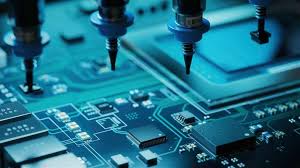
What certifications do you hold for your Pcb assembly manufacturer?
Environmental responsibility is another crucial aspect addressed through certifications. For instance, the RoHS (Restriction of Hazardous Substances) directive restricts the use of certain hazardous materials in electrical and electronic equipment. Compliance with RoHS directives is imperative for PCB assembly manufacturers, as it underscores their commitment to environmental sustainability and ensures the safety of end-users. Similarly, adherence to the REACH (Registration, Evaluation, Authorization, and Restriction of Chemicals) regulation is essential, as it pertains to the use of chemicals in manufacturing processes, safeguarding both environmental and human health.
In the realm of aerospace and defense, adherence to stringent standards such as AS9100 is non-negotiable. AS9100 certification encompasses the ISO 9001 requirements while adding additional criteria specific to the aerospace and defense industries. Manufacturers holding AS9100 certification demonstrate their capability to meet the rigorous demands of these sectors, ensuring product quality, reliability, and regulatory compliance in critical applications.
Furthermore, certifications such as ISO 13485 hold immense significance for PCB assembly manufacturers operating in the medical device industry. ISO 13485 specifies requirements for a quality management system in medical device manufacturing, emphasizing risk management, regulatory compliance, and product safety. Manufacturers with ISO 13485 certification reassure clients of their ability to produce PCB assemblies that meet the stringent requirements of the medical sector, where precision and reliability are paramount.
In an increasingly interconnected world, cybersecurity has emerged as a pressing concern, particularly in industries reliant on electronic components. Manufacturers holding certifications such as ISO/IEC 27001 demonstrate their commitment to information security management, safeguarding sensitive data and mitigating cybersecurity risks. This certification is particularly pertinent for PCB assembly manufacturers entrusted with confidential design specifications and proprietary information.
In conclusion, certifications wield profound significance for PCB assembly manufacturers, serving as hallmarks of quality, compliance, and proficiency across various industries. From ISO 9001 to industry-specific standards like IPC-A-610 and AS9100, these certifications validate a manufacturer’s commitment to excellence and adherence to stringent regulations. Whether in aerospace, defense, medical devices, or consumer electronics, certifications are instrumental in fostering trust, ensuring product integrity, and driving continuous improvement in PCB assembly manufacturing processes.