
WorldAnimalFoundation.org is reader-supported. When you buy through links on our site, we may earn an affiliate commission. Learn More
In a world filled with noise and constant activity, discovering naturally quiet dog breeds brings unexpected peace to daily life. These are perfect for those who want a quiet and calm canine friend. If you’re looking for low-barking dogs or non-barking dogs, you’re in the right place.
Ancient wisdom and modern breeding have cultivated these exceptional quiet companions, each carrying unique traits that make them perfect for peaceful households. According to BBC, the owners of naturally quiet breeds report less noise-related stress and significantly improved work-from-home productivity. Whether living in a noise-restricted apartment or seeking tranquil companionship, these quiet dog breeds offer the perfect balance of affection and serenity.
Each breed brings its own story of evolution. These dogs demonstrate that a small breed of true strength often lies in the peaceful presence of great companions, rather than vocal expression.
Least Vocal Dog Breeds
1. Afghan Hound
The aristocratic Afghan Hound combines dignity with remarkable silence, making this ancient breed a perfect companion for peaceful homes. Standing tall with flowing silky coats and regal bearing, these elegant sighthounds rarely find a reason to vocalize, preferring to communicate through subtle gestures and expressive eyes.
Daily life with an Afghan Hound flows like a gentle stream, marked by quiet grace and independent spirit. These dogs excel in maintaining serenity, whether lounging gracefully on the sofa or participating in agility sports. Their minimal barking tendencies stem from centuries of independent hunting work in the mountains of Afghanistan.
Training and socialization bring out the best in these quiet companions, though their independent nature requires patience and consistency. Afghan Hounds thrive in homes that appreciate their dignified demeanor and respect their need for regular exercise and grooming, rewarding devoted owners with years of peaceful companionship.
2. Greyhound
Greyhounds were originally bred to embody the breed’s perfect balance of athleticism and tranquility, earning recognition from breed shows as one of the quietest large dog breeds. These gentle giants save their energy for bursts of speed rather than unnecessary barking, making them surprisingly excellent apartment dogs despite their size.
The calm and gentle nature of Greyhounds extends beyond their generally quiet demeanor. According to IRGT, they are known as “40-mph couch potatoes,” and spend most of their day in peaceful relaxation, only requiring short bursts of exercise to maintain their well-being. Their minimal vocalization reflects their naturally calm temperament.
Adopting a Greyhound means welcoming a peaceful soul who communicates primarily through soft expressions and gentle nudges. These dogs excel in reading human emotions and responding with quiet empathy, making them ideal companions for those seeking a serene household environment.
3. Basenji
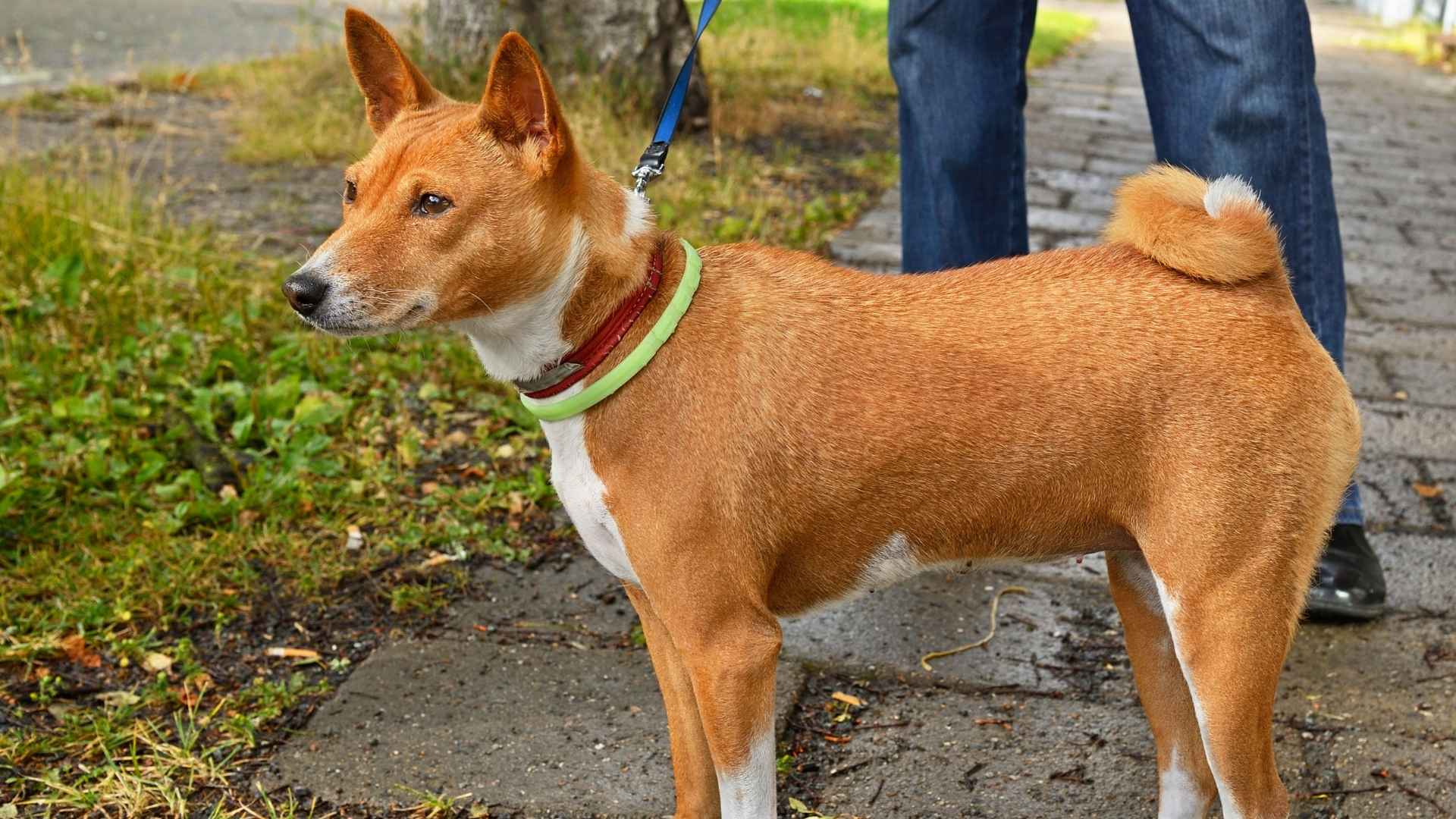
The Basenji, famously known as Africa’s “barkless dog,” produces unique yodel-like sounds instead of bark or traditional barks. This ancient breed developed its quiet nature while hunting in dense African forests, where silence proved crucial for survival.
These intelligent and independent dogs communicate primarily through facial expressions and body language. The distinctive wrinkled forehead and alert ears of the Basenji convey volumes without making a sound. Their quiet nature stems from thousands of years of evolution as skilled hunters in the Congo.
Living with a Basenji offers a unique experience in canine communication. While they may produce occasional yodels or humming sounds, these vocalizations tend to remain soft and controlled. Their cat-like cleanliness and generally quiet demeanor make them excellent companions for those seeking a unique, low-noise pet.
4. Newfoundland
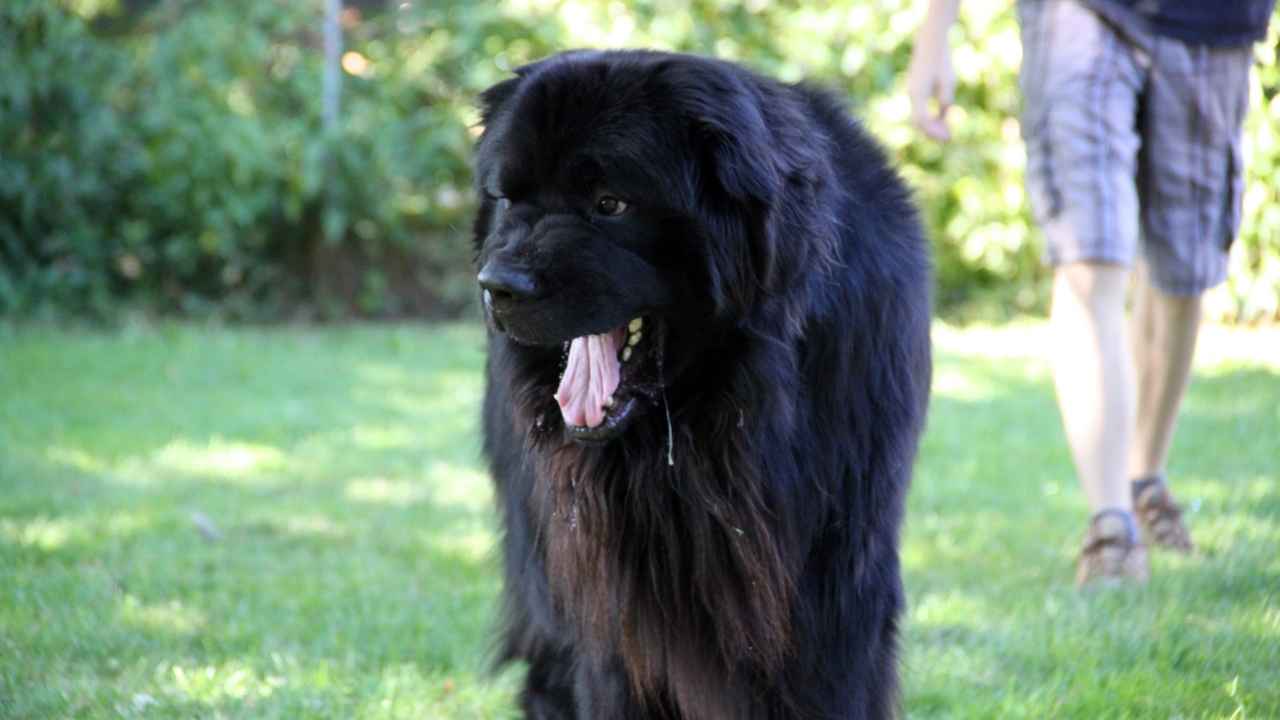
Newfoundlands carry themselves with quiet dignity, rarely breaking their peaceful silence except for matters of true importance. These gentle giants developed their quiet nature while working alongside fishermen hunting dogs, where unnecessary, loud barking could disturb crucial work.
The sweet temperament of Newfoundlands shines through their calm, quiet demeanor. Despite their massive size, these dogs prefer to communicate through gentle touches and soulful expressions. Their patient nature and minimal vocalization make them exceptional family companions.

Training these intelligent dogs focuses on reinforcing their natural tendencies toward quiet observation. Newfoundlands excel in water rescue and therapy work, where their calm presence brings comfort without the need for vocal expression.
5. Akita
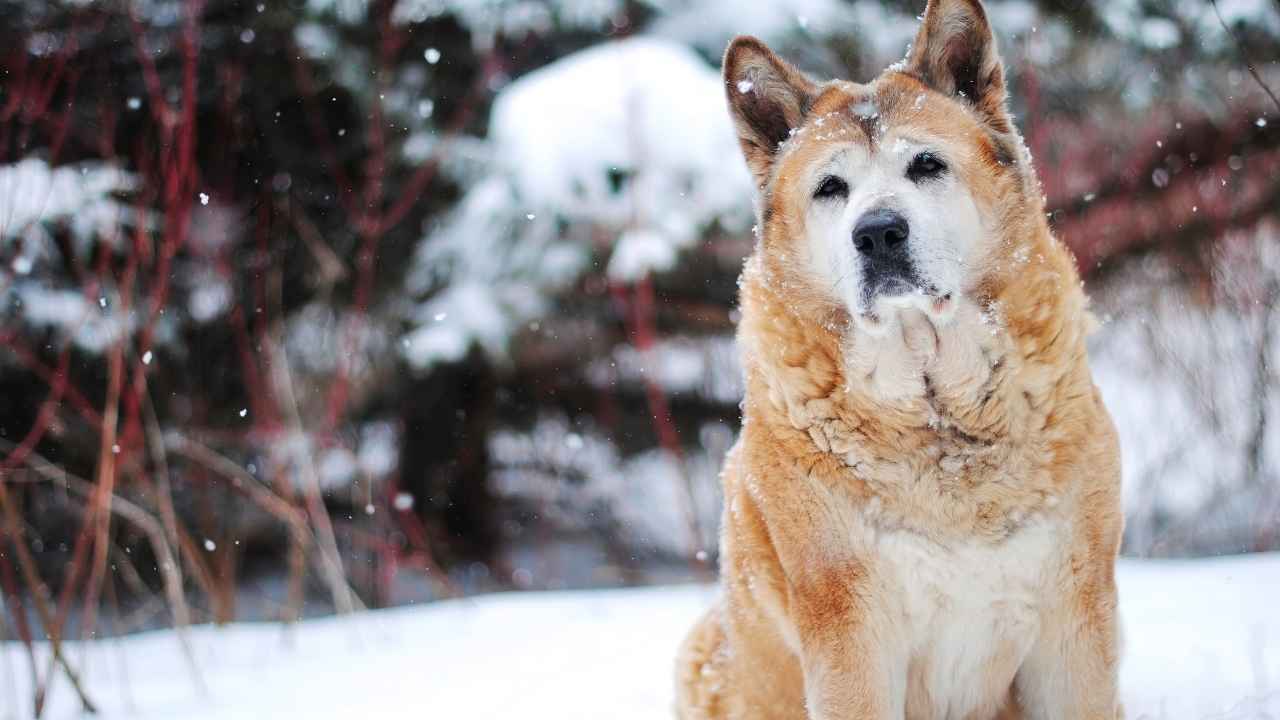
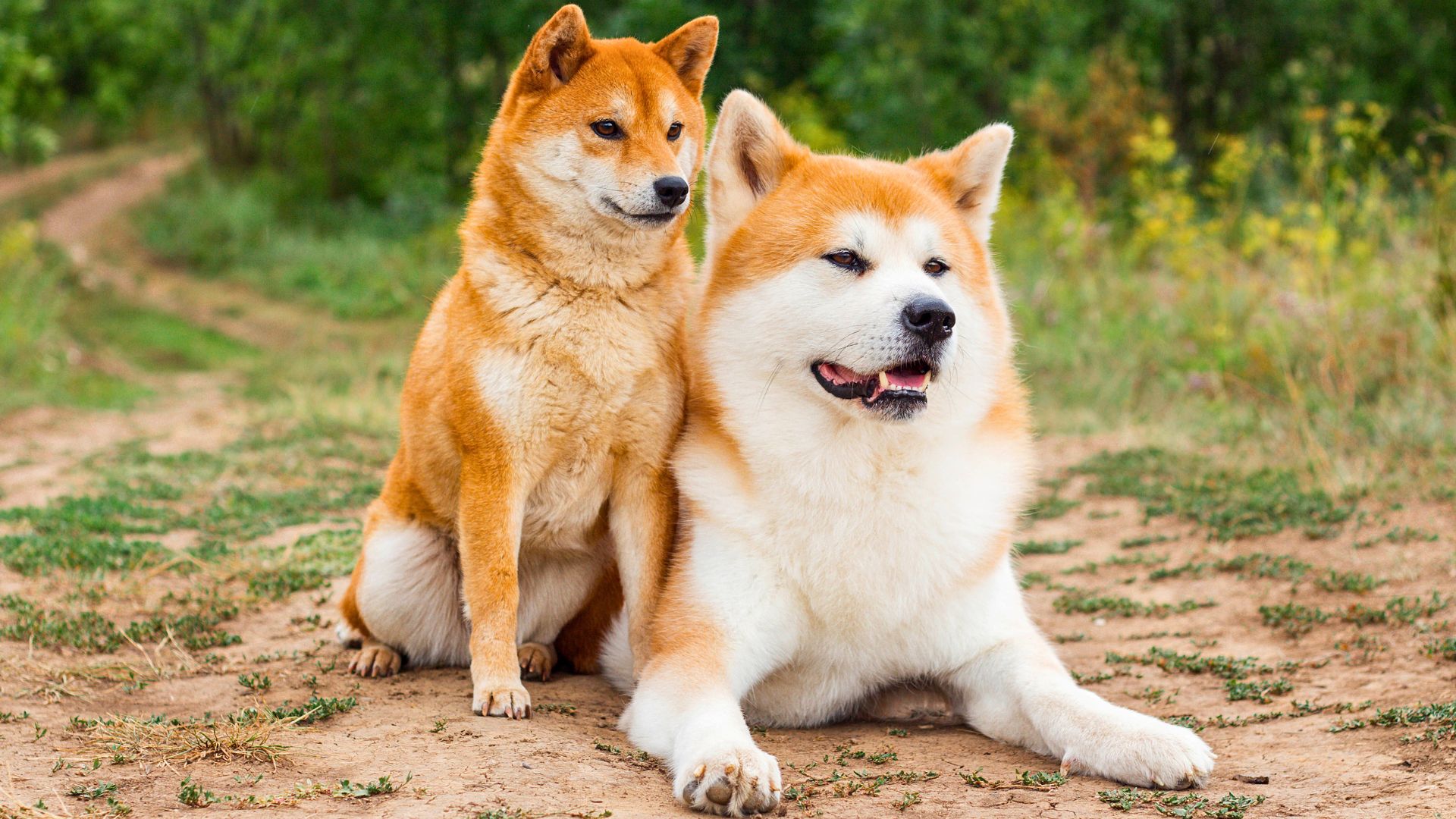
Akitas maintain a dignified silence that reflects their noble Japanese heritage. These powerful dogs developed their quiet nature as hunters and guardians in ancient Japan, where stealth and observation proved more valuable than barking.
The reserved nature of Akitas extends to their minimal vocalization. These pups prefer to communicate through subtle body language and expressive faces, maintaining quiet vigilance over their families. Their strong bond with family members often requires no vocal expression.
Training these intelligent dogs builds upon their natural inclination toward quiet strength. Akitas respond well to consistent, respectful guidance, rewarding their families with devoted protection and peaceful companionship.
6. Whippet
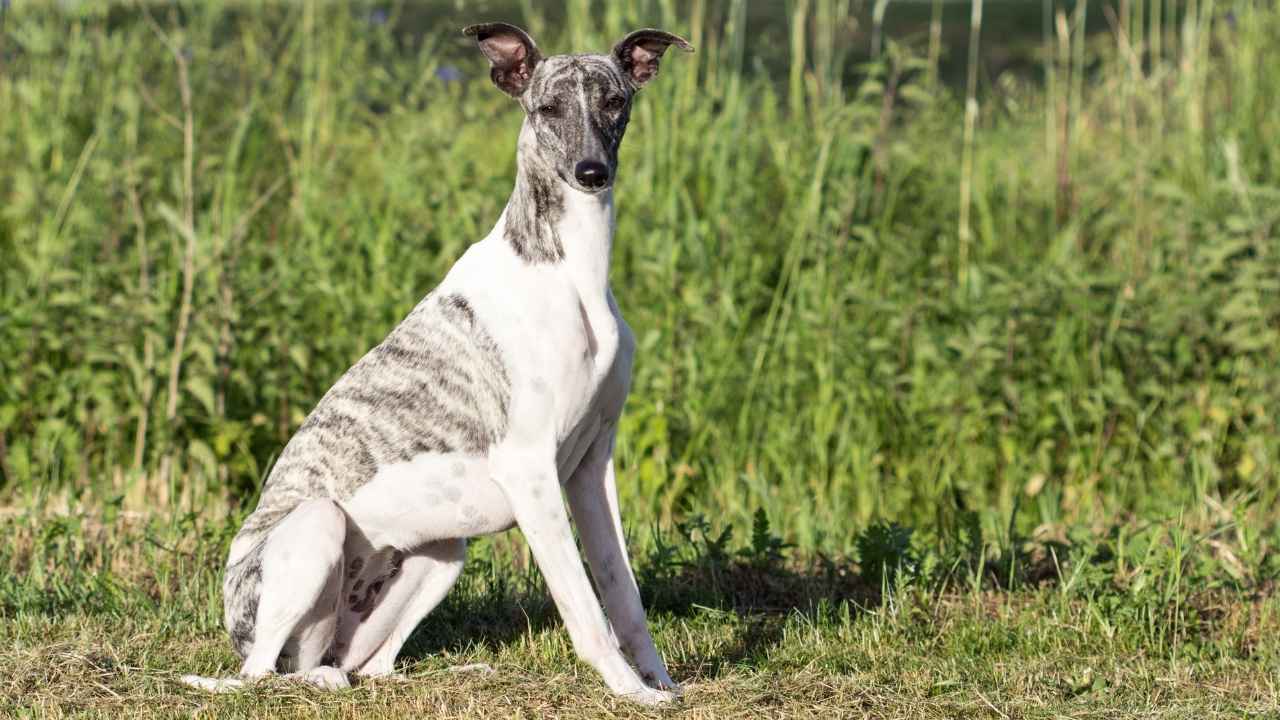
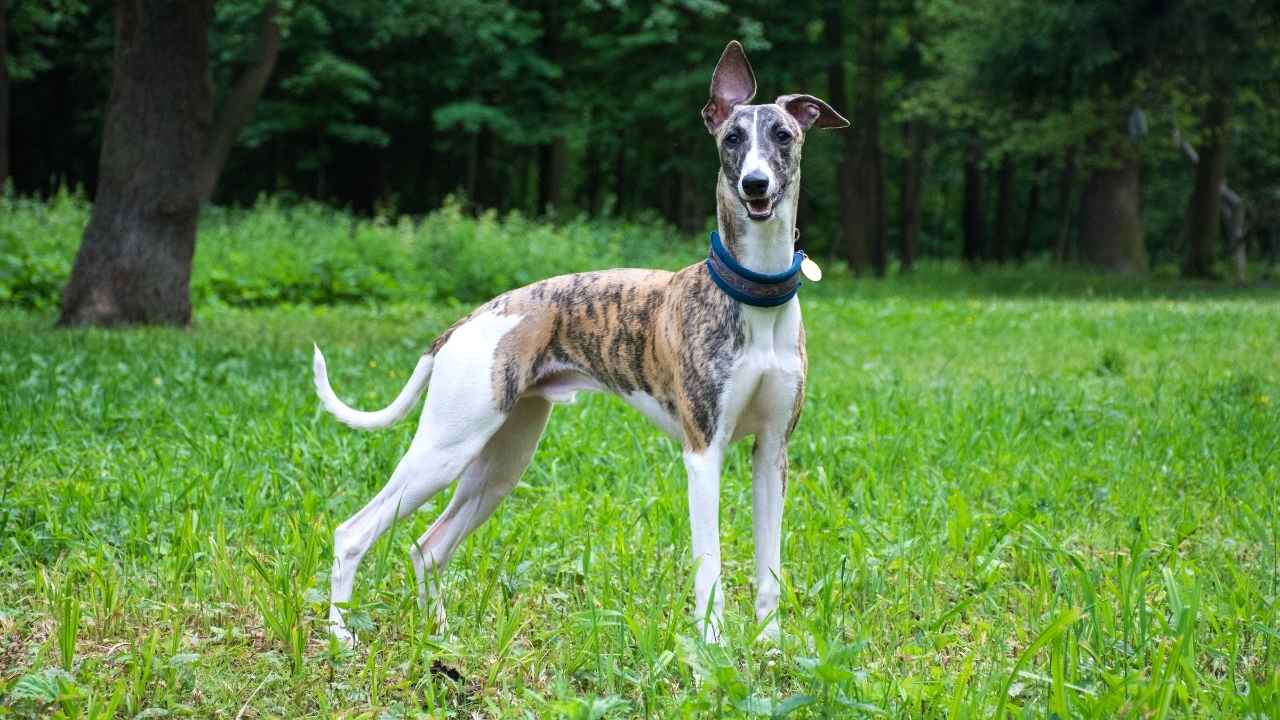
Whippets combine athletic ability with remarkable quietness, making them ideal for both active lifestyles and apartment living. These streamlined sighthounds rarely bark, preferring to express themselves through graceful movement and gentle affection.
The sensitive nature of Whippets contributes to their quiet demeanor. These canines respond to their environment with keen awareness, yet maintain their composure and silence in most situations. Their gentle temperament matches perfectly with the breed making their minimal vocalization.
Training these intelligent dogs focuses on positive reinforcement and understanding their subtle communication cues. Whippets thrive in environments that respect their quiet nature while providing opportunities for brief, intense exercise.
7. Saint Bernard
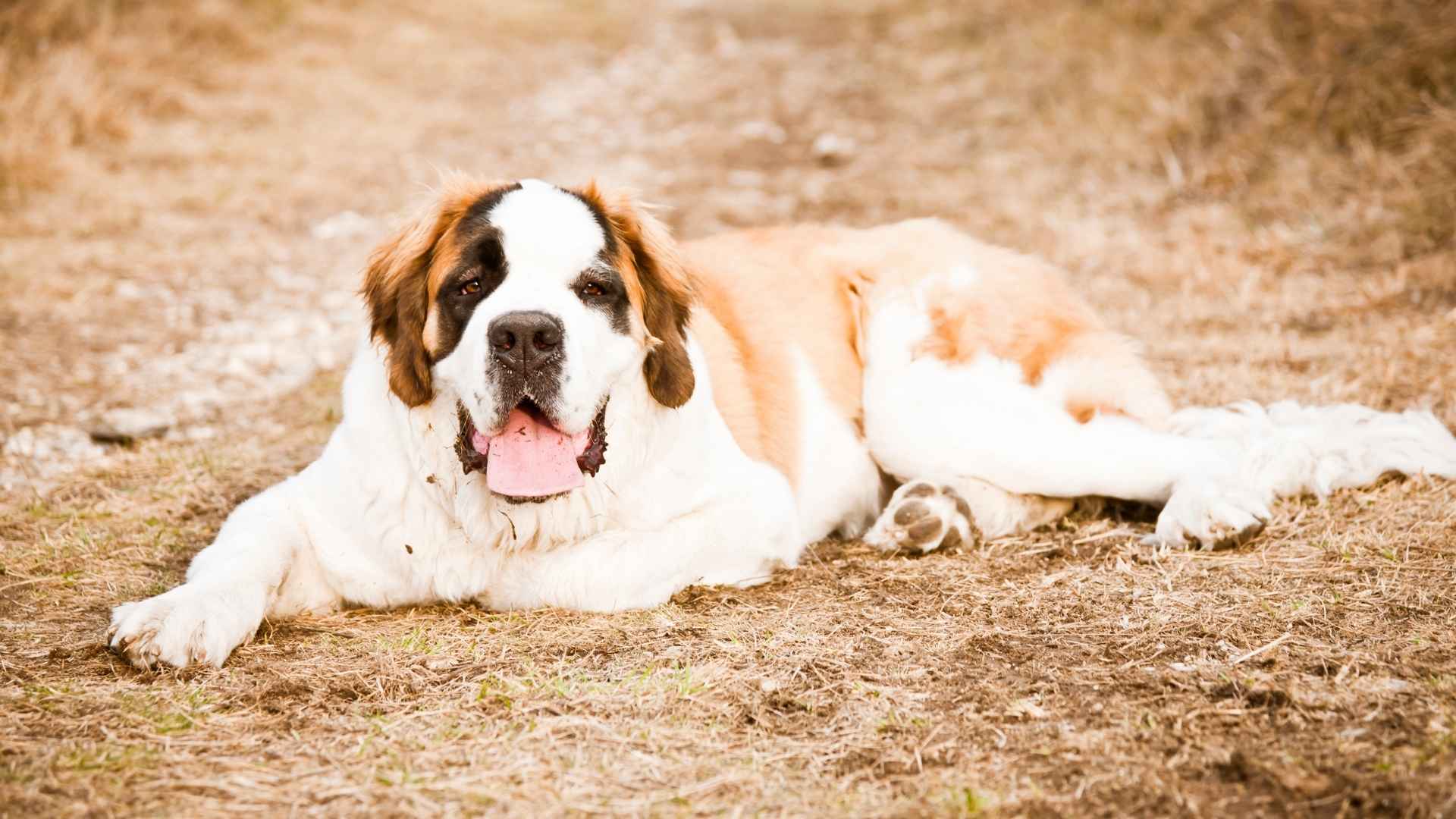
Saint Bernards carry themselves with quiet confidence, rarely disturbing the peace with unnecessary barking. These gentle giants developed their peaceful nature while working in the quiet solitude of the Swiss Alps, where the conservation of energy proved crucial for survival.
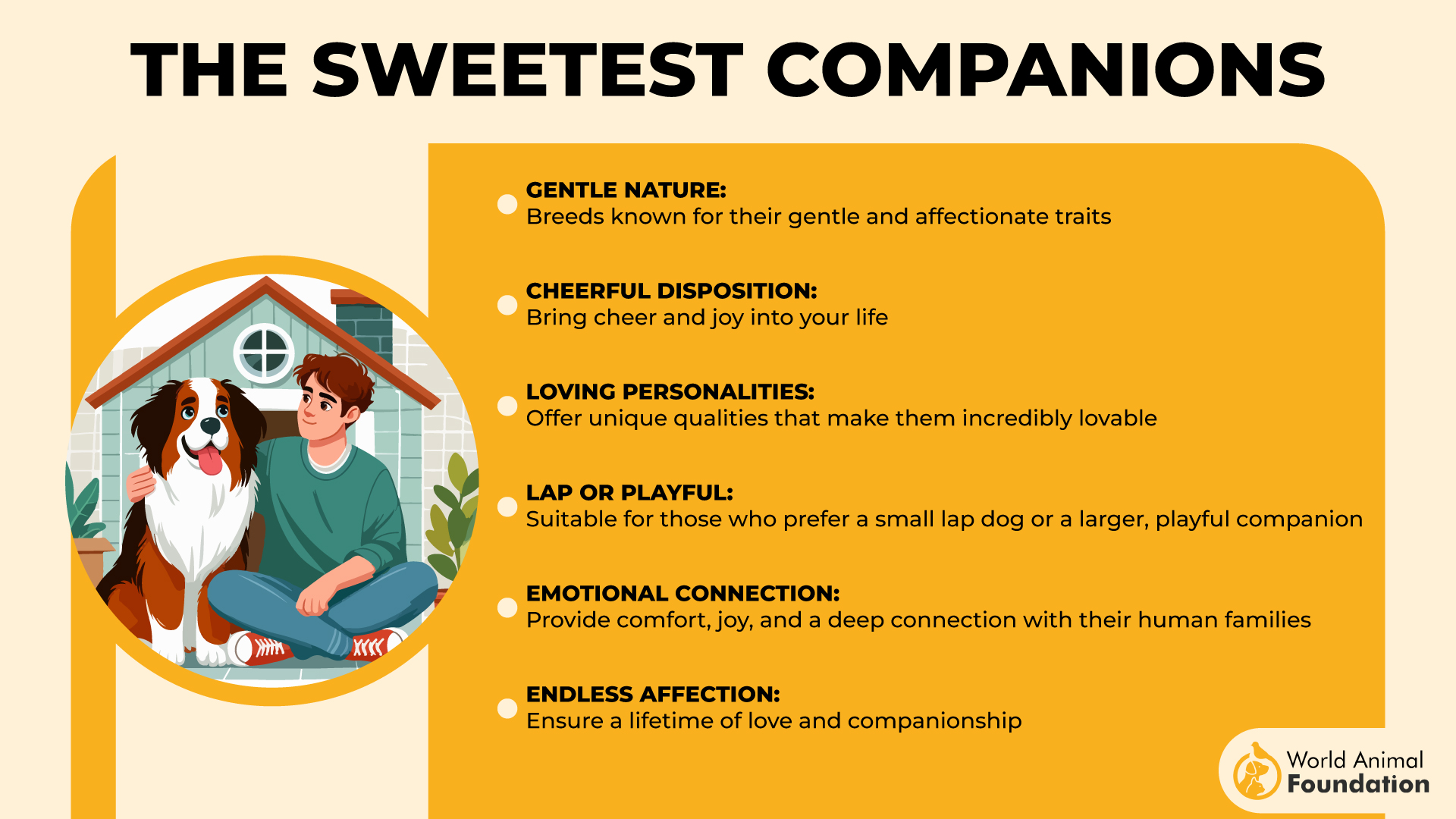
The patient temperament of Saint Bernards shows in their calm, quiet demeanor and gentle personality. These dogs prefer to communicate through gentle physical presence and soulful expressions, making them excellent therapy dogs and family companions. Their minimal barking reflects their naturally peaceful disposition.
Working with these majestic canines means understanding their preference for quiet strength over vocal expression. Saint Bernards tend to excel in situations requiring calm presence and pretty quiet will, making them ideal companions for families seeking a gentle, quiet guardian.
8. Cavalier King Charles Spaniel
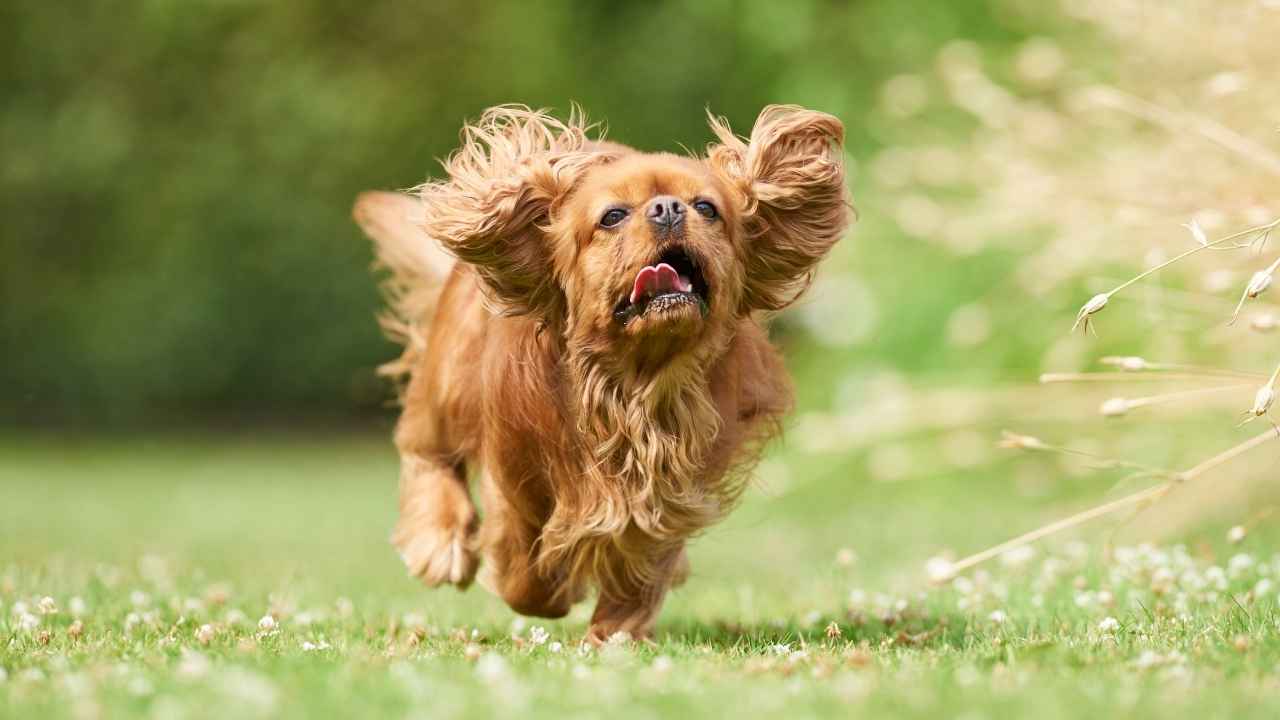
Cavalier King Charles Spaniels combine royal elegance with peaceful temperaments, making them exceptional quiet companions. These charming canines developed their gentle nature through centuries of companionship with nobility, where quiet dignity proved essential.
The affectionate nature of the Cavaliers shows through their minimal vocalization. These small dogs prefer to communicate through sweet expressions and gentle cuddles, making them perfect lap dogs and family companions. Their adaptable nature allows them to remain quiet in various living situations.
Training these intelligent dogs builds upon their natural tendencies toward quiet affection. Cavaliers excel in therapy work and family life, where their peaceful presence brings comfort without excessive barking.
9. Shar-Pei

Shar-Peis maintain a dignified silence that matches their wrinkled, serious expression. These ancient Chinese dogs is a robust, fiercely loyal, and incredibly wrinkly love bugs of a breed. It has developed their quiet nature as guardians and hunters, where stealth proved more valuable than vocal alerts.
The independent nature of Shar-Peis extends to their minimal vocalization. These dogs are likely to bark and communicate through subtle body language and expressive wrinkles, maintaining quiet vigilance over their territory. AKC states that their calm demeanor makes them excellent apartment dwellers.
Training these strong-willed canines requires understanding their preference for quiet observation. Shar-Peis responds well to consistent, respectful guidance, rewarding their families with loyal protection and peaceful companionship.
10. Japanese Chin

Japanese Chins exemplify quiet elegance, bringing a peaceful presence to any home. These noble dogs developed their gentle nature in Japanese palaces, where quiet dignity and grace were highly valued traits.
The sensitive nature of Japanese Chins contributes to their minimal vocalization. These dogs respond to other noises in their environment with cat-like awareness, yet maintain their composure and silence in most situations. Their imperial heritage shows in their quiet, dignified behavior.
Living with a Japanese Chin means appreciating their subtle communication style and refined personality. These dogs excel over other breeds in providing quiet companionship, making them perfect partners for those seeking a peaceful, low-maintenance pet.
Conclusion
The world of naturally quiet dog breeds offers a remarkable range of companions suited for peaceful living. Each breed brings unique characteristics developed through centuries of careful breeding and natural evolution. From the towering silence of Saint Bernard to the graceful quiet of the Japanese Chin, these quiet dogs all prove that powerful bonds need no voice.
Selecting the perfect quiet companion requires careful consideration of lifestyle, living space, and family dynamics. These breeds excel in different environments, from spacious homes to cozy apartments, but all share the precious gift of peaceful presence. Understanding certain breeds and their subtle communication methods and respecting their natural tendencies create harmonious relationships built on mutual trust and quiet understanding.
Remember that while dogs bark these breeds naturally tend toward quietness, proper training, and socialization remain essential for developing well-adjusted companions. The reward for choosing one of these serene breeds extends far beyond the blessing of a quiet home – it opens the door to experiencing the profound joy of silent understanding and peaceful companionship. Through patient guidance and loving care, these quiet companions flourish into the perfect partners for both children and those seeking tranquility in their daily lives.