WorldAnimalFoundation.org is reader-supported. When you buy through links on our site, we may earn an affiliate commission. Learn More
Did you know that babies who grow up with dogs are less likely to develop allergies and tend to be healthier overall? Science says so! But not all dogs are suited for life with tiny humans—some are born babysitters, while others, well… let’s say they prefer an adult-only audience.
Picture this: your little one giggling as a four-legged best friend gently nuzzles them, a bond forming before their first words. It’s heart-melting, right? The right dog can be a protector, a cuddle buddy, and even an early lesson in friendship for your baby.
Of course, bringing a dog into your home is a big decision—especially when you have a little one in tow. You’ll want a pup that’s not just adorable but also patient, gentle, and ready for endless toddler antics.
From snuggly lap dogs to playful yet calm companions, some dogs are just naturally great with babies. But which ones make the cut? We’ve rounded up the seven best dogs for babies—loyal, loving, and ready to grow up alongside your tiny human.
Let’s find your family’s perfect furry friend!
7 Best Dog Breeds for Babies
1. Golden Retriever
A golden-coated ray of sunshine—this dog is a living, breathing hug. Originally bred for retrieving game in Scotland, they’ve traded in their hunting days for something even better: snuggling with babies and stealing hearts. With an average lifespan of 10–12 years, they’re in it for the long haul, growing up alongside your little one.
Fluffy, friendly, and always smiling, these golden goofballs typically weigh between 55–75 pounds and stand around 21–24 inches tall. Don’t let their size fool you—they’re gentle giants with a soft spot for tiny humans. And despite their impressive jaws, their bite force is relatively mild, making them all play, no bite.
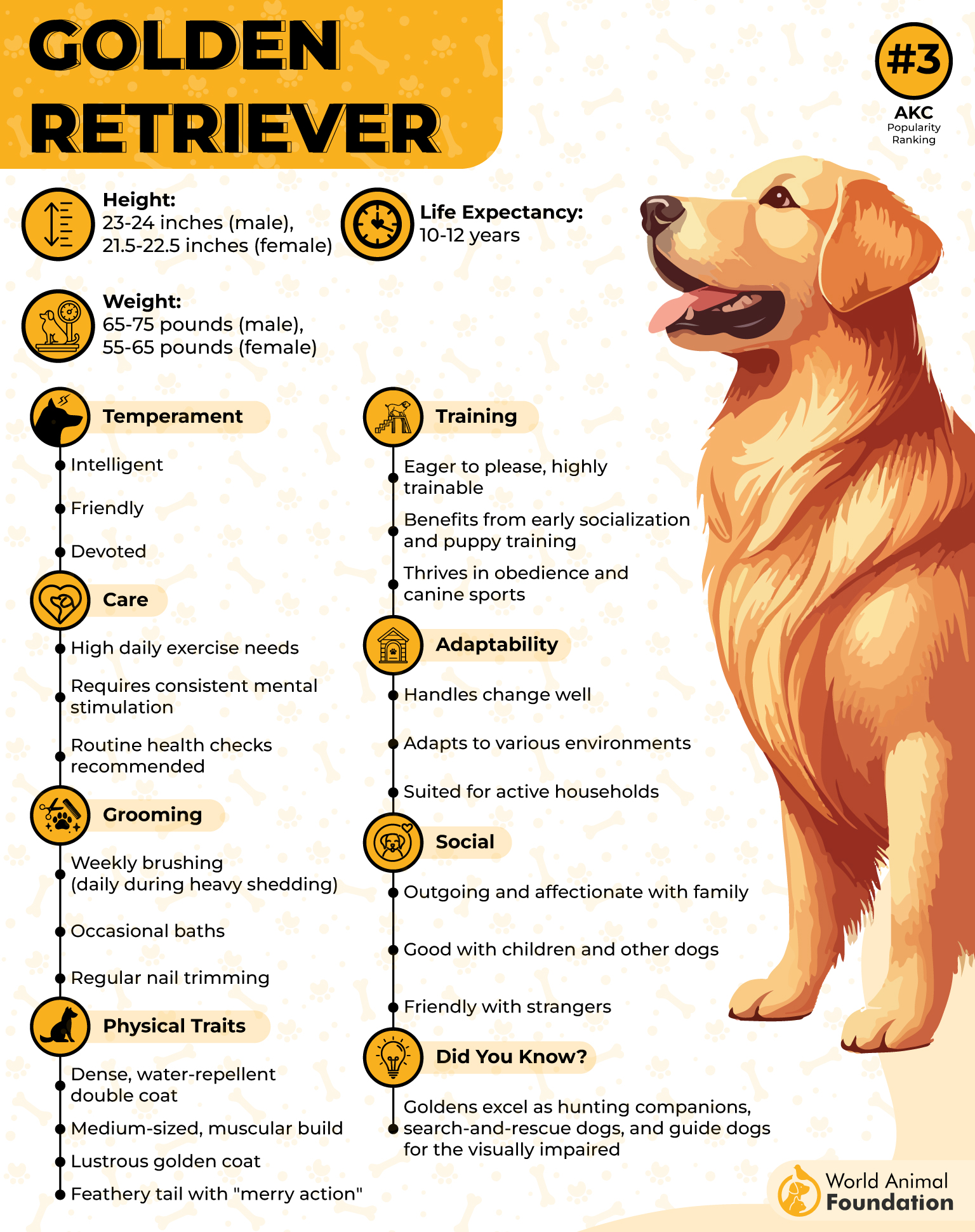
AKC mentions that Golden Retrievers are low-maintenance in personality but high-maintenance in fur. Their thick double coat needs regular brushing unless you want a house covered in golden glitter (a.k.a. fur). A balanced diet and daily exercise keep them happy, and they’ll gladly turn a toddler chase into their daily cardio.
Training? A breeze. These dogs live to please, making potty training and basic commands a walk in the park. But beware—their intelligence means they learn bad habits just as fast as good ones, so stay consistent!
Health-wise, they’re generally robust but prone to hip dysplasia and heart issues. Regular vet check-ups and a healthy diet keep them thriving. And let’s be real—your baby and this dog will probably be sneaking snacks together before you know it.
Fun fact: Golden Retrievers are known for their “soft mouths,” meaning they can carry an egg without breaking it. So, rest assured—your baby’s tiny fingers are in safe paws.
2. Labrador Retriever
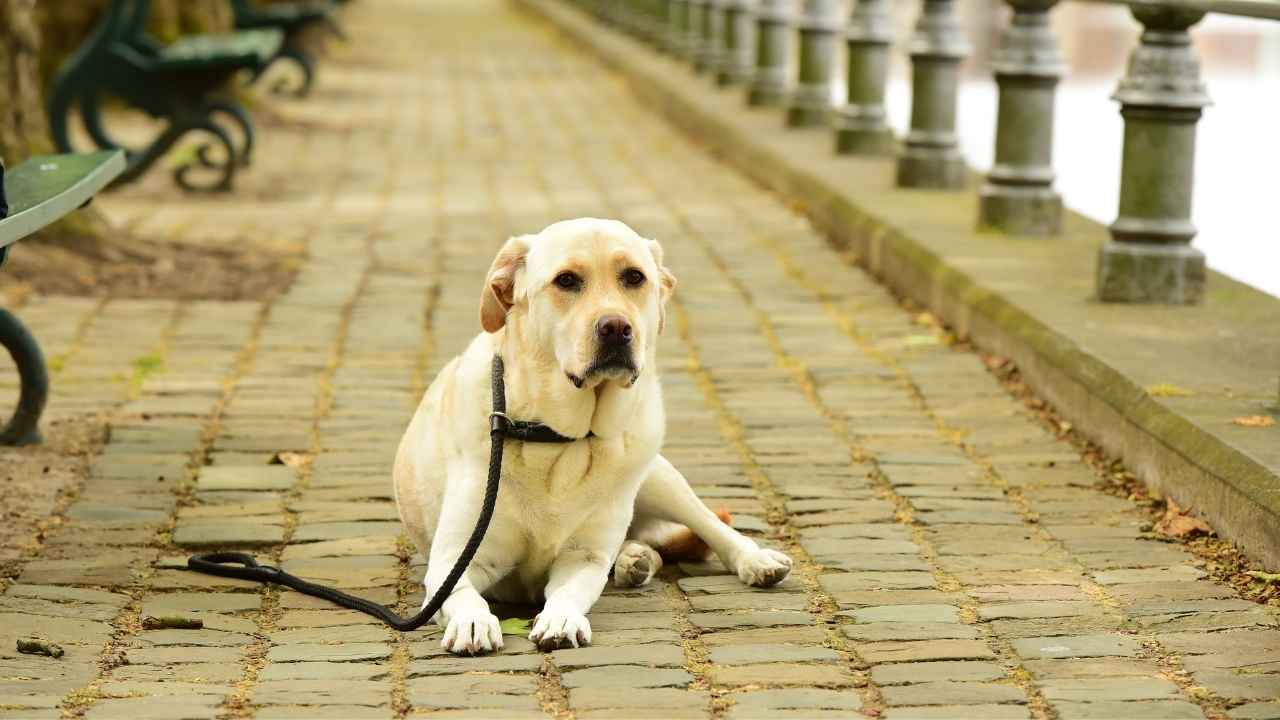
If there were an award for “Most Likely to Befriend Everyone,” Labradors would win every time. Originally bred as fishing companions in Canada, they’ve ditched the docks to become one of the best dog breeds for families—especially those with small children. With a lifespan of 10–14 years, they’ll be there for every scraped knee, first step, and snack time steal.
This medium-sized dog is built for fun, standing 21–24 inches tall and weighing 55–80 pounds. Their love to play is unmatched, but despite their energy, they have a famously gentle disposition—perfect for little hands that might get a bit too grabby. And tail pulling? They’ll just wag harder.
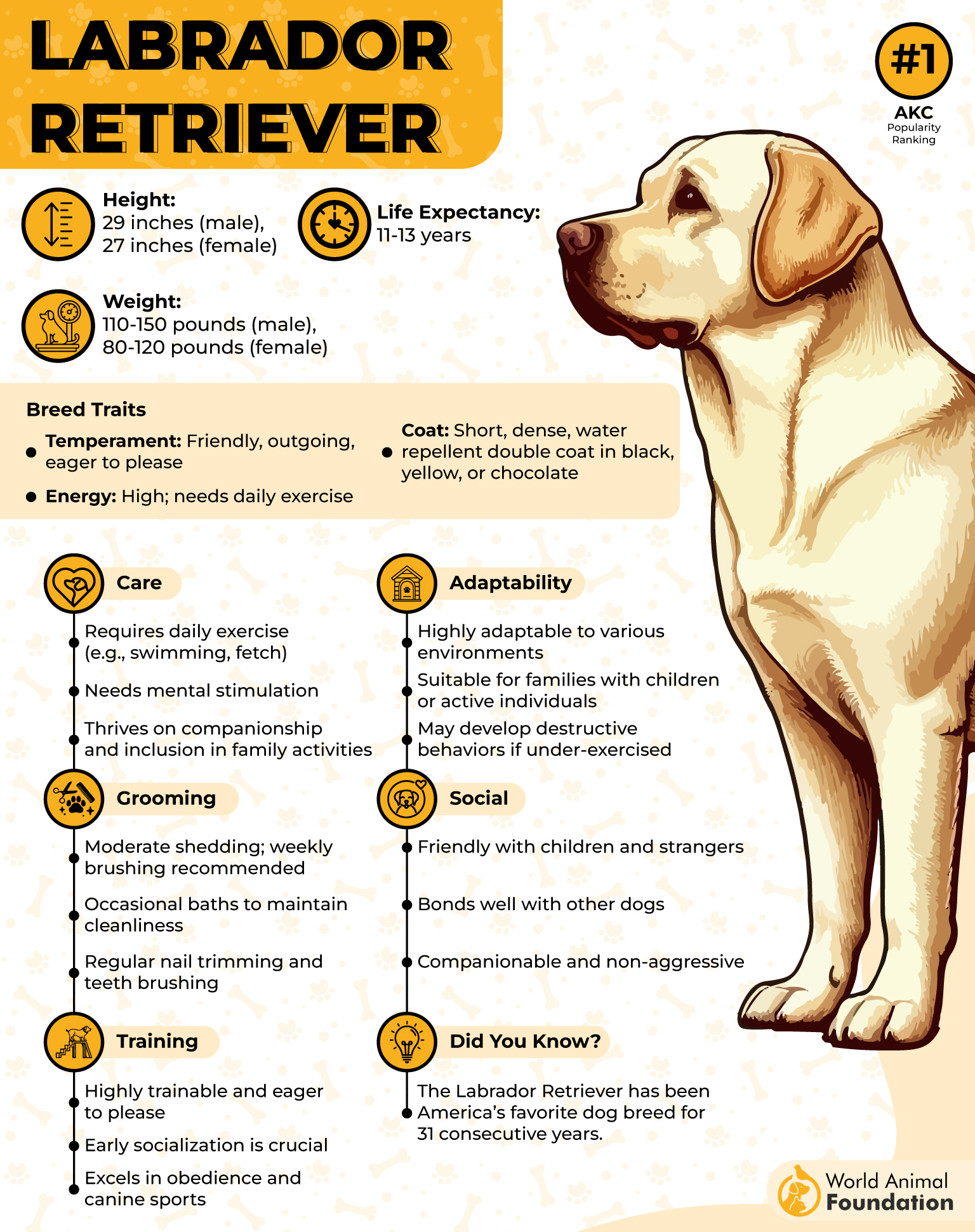
Low maintenance in grooming but high energy in life, Labs need regular brushing and even more exercise. Active families will love their enthusiasm for outdoor adventures, but don’t worry—they’ll happily nap in the same room as a newborn baby after a long walk. Just watch out for their signature “Labrador lean” when they decide to plop down next to their favorite family member.
Training is a breeze—Labs are intelligent, eager to please, and quick learners. Whether it’s leash training or teaching them new rules after a baby’s arrival, they’ll pick it up fast. Just be ready for their bottomless appetite—counter-surfing is an art form to them.
Health-wise, they’re generally sturdy, though they can be prone to hip dysplasia and weight gain. Keeping an eye on their diet and giving them plenty of exercise will keep them in tip-top shape. And let’s be real—your young child will probably drop enough snacks to keep them thrilled.
Fun fact: Labradors have “otter tails” that act like rudders in the water, making them natural swimmers. So if your baby grows up loving the pool, this fur baby will be right there, ready to make a splash!
3. Boxer
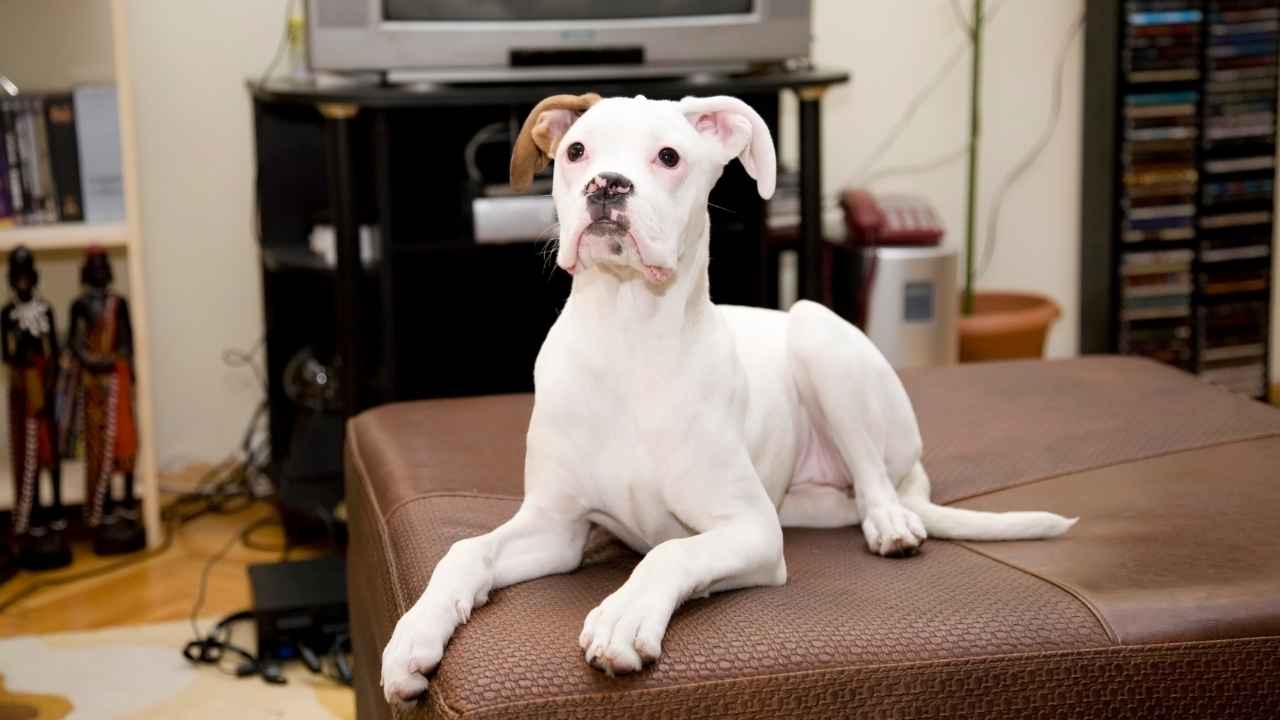
Meet the bouncy, high-spirited goofball of the dog world. Boxers were originally bred as working dogs in Germany, but today, they’ve traded serious jobs for serious playtime—especially around children. With a lifespan of 10–12 years, they’re ready to grow alongside your little one, providing endless entertainment and unconditional love.
A medium-sized dog with a muscular build, Boxers stand 21–25 inches tall and weigh 50–80 pounds. Their playful nature makes them fantastic for active families, but their protective instinct ensures they’re more than just fun—they’re also fierce guardians. Despite their strong appearance, they have a soft spot for small children and love to be in the same room as their family.
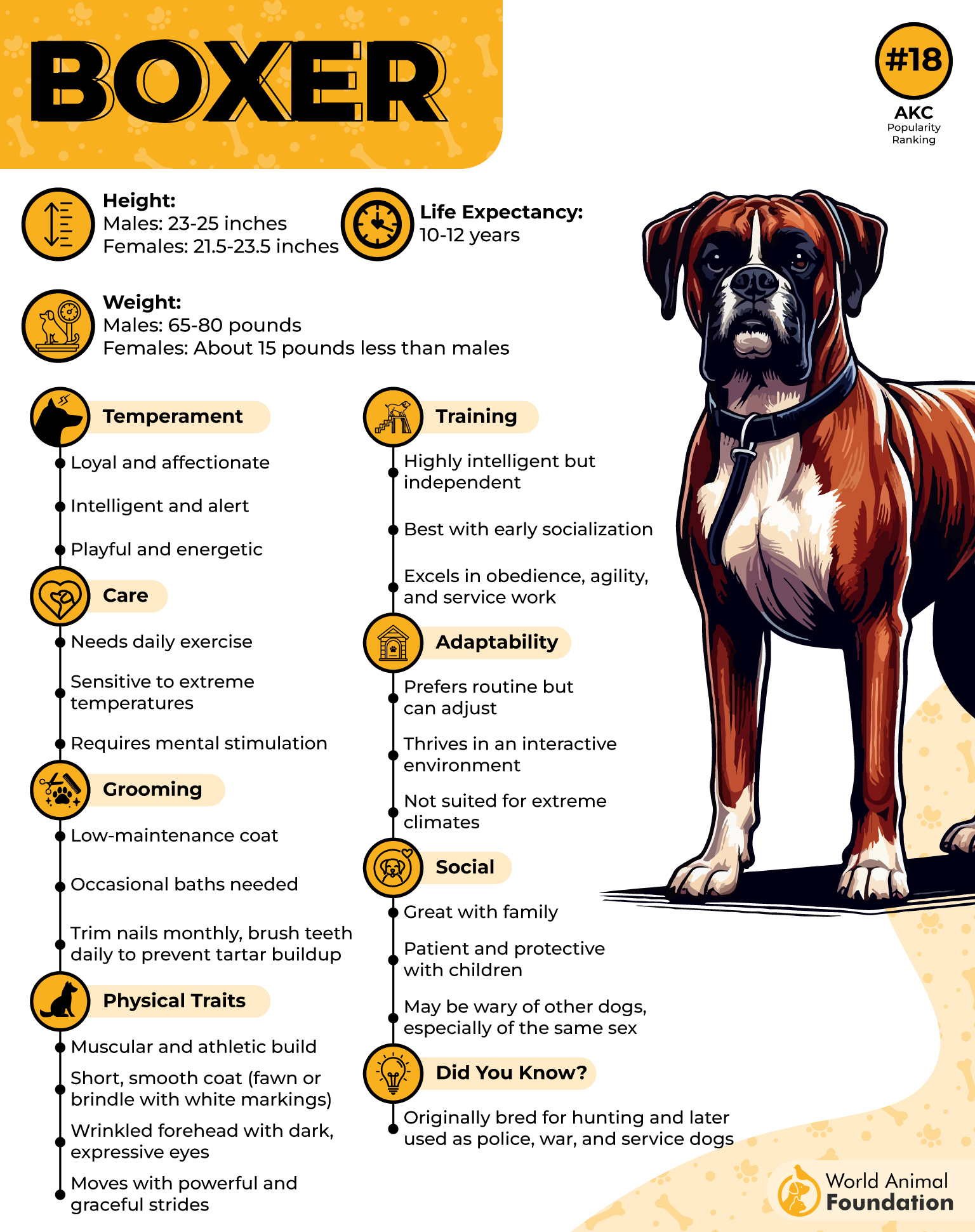
Britannica claims that Boxers are relatively low-maintenance when it comes to grooming, but their energy level is a different story. They thrive on exercise, so be prepared for lots of walks, runs, and zoomies. Bonus: A tired Boxer is a well-behaved Boxer, which means more cuddle time with your newborn baby.
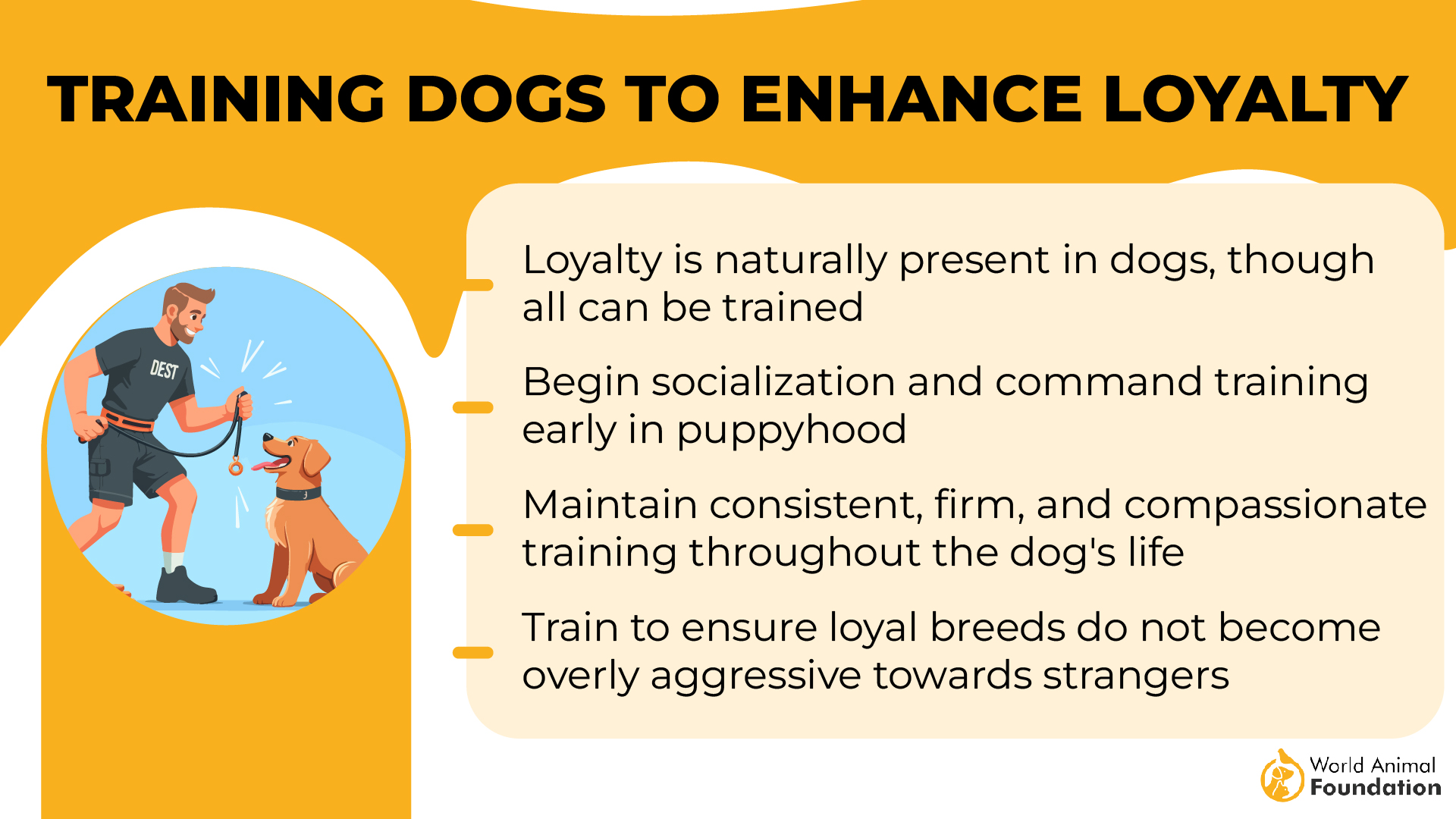
Training? It’s all about patience. These intelligent pups love to learn but can be a little stubborn. Positive reinforcement and early socialization help them understand new rules—especially when a new family member arrives.
Health-wise, Boxers are generally healthy but can be prone to heart issues and joint problems. Keeping up with vet visits and feeding them a balanced diet is key to their well-being. And don’t forget—those adorable faces come with some serious drool!
Fun fact: Boxers love to “kidney bean” when they’re excited, twisting their bodies into a wiggle that looks like a happy dance. Expect plenty of Boxer boogies whenever they see their favorite little human!
4. Newfoundland
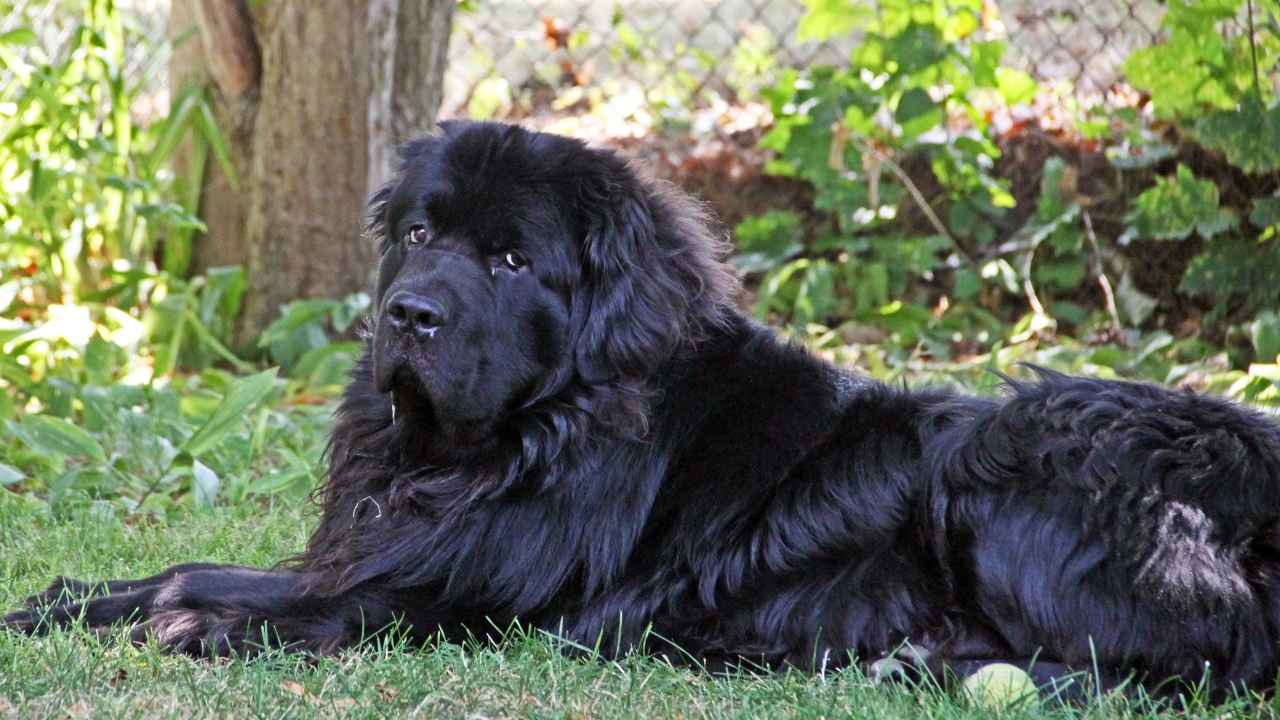
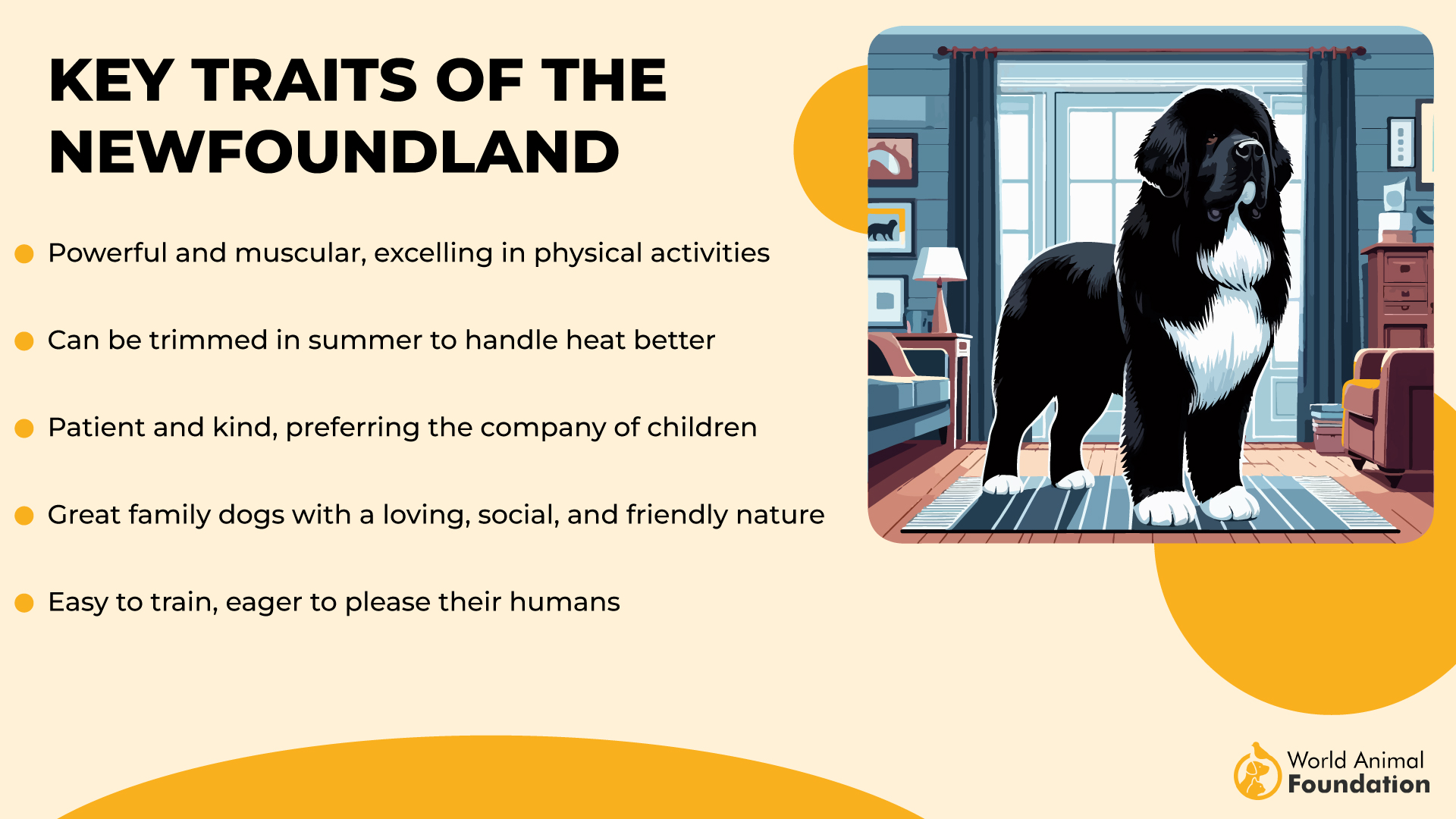
Imagine a giant, fluffy babysitter who drools a little—okay, maybe a lot. Newfoundlands were originally bred as water rescue dogs in Canada, but their true calling might just be snuggling with babies. Their patient nature and gentle disposition make them one of the best dog breeds for families with young children.
This large dog stands 25–29 inches tall and can weigh up to 150 pounds, but don’t let their size fool you. They’re often called “gentle giants” because of their calm, loving personalities. Many dogs are good with kids, but Newfoundlands seem to have an almost instinctual understanding of how to be gentle around children.
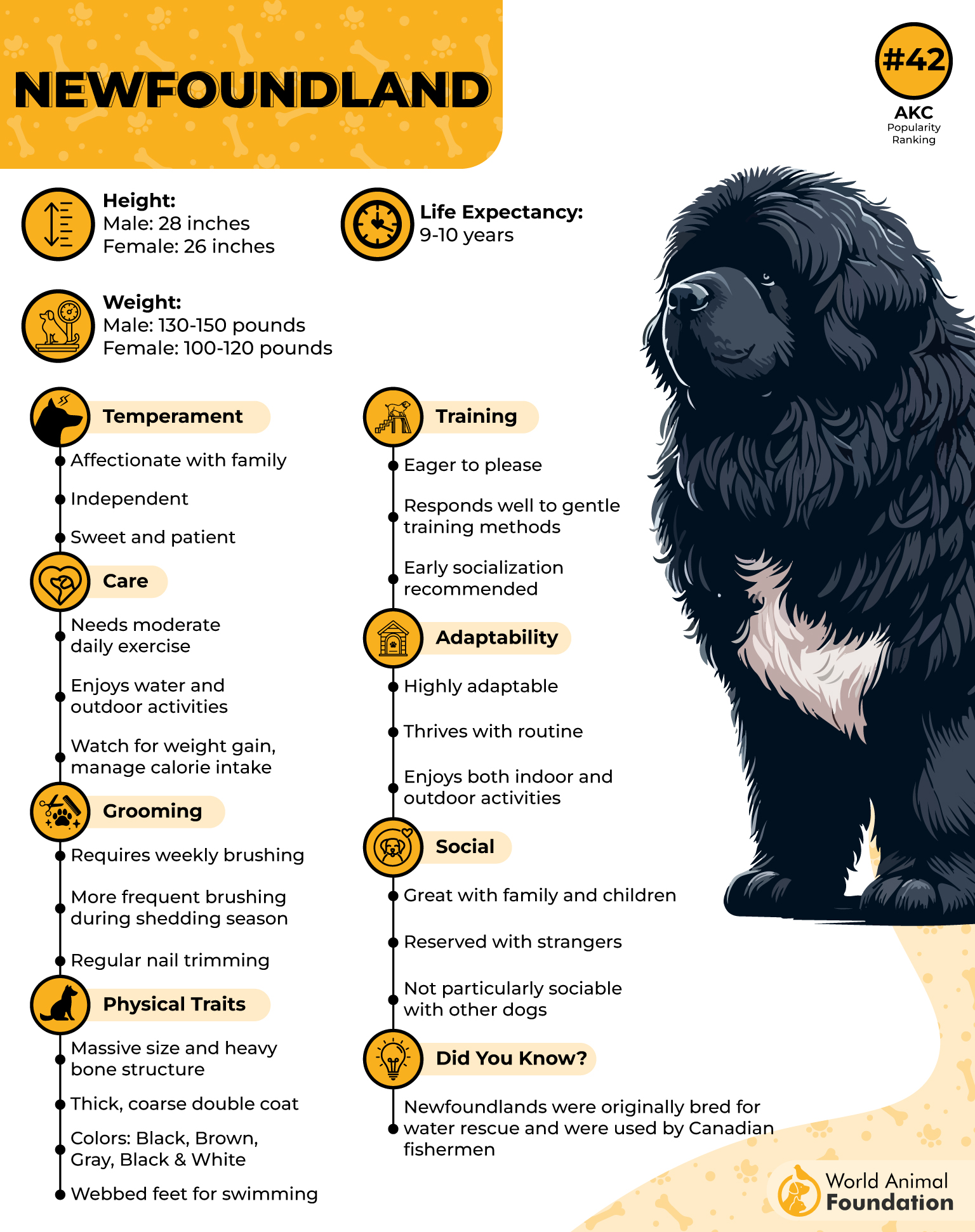
Their thick double coat requires regular grooming—dog’s ear checks, brushing, and the occasional battle with fur tumbleweeds are part of the package. While they don’t need extreme exercise, they do enjoy a good swim, making them great companions for families who love the water. Supervise interactions, though—one excited splash and your young child might end up soaked!
Training is a breeze because Newfoundlands are intelligent and eager to please. They respond well to positive reinforcement and quickly learn how to be the perfect fit for their family’s lifestyle. Just don’t expect them to be a fierce guard dog—they’re more likely to greet strangers with a wag than a warning.
Health-wise, they’re prone to hip dysplasia and heart conditions, so regular vet check-ups are a must. Their large size also means they don’t have the longest lifespan (8–10 years), but every year with a Newfoundland is filled with unconditional love and slobbery kisses.
Fun fact: These dogs have webbed feet, making them excellent swimmers! If your baby grows up loving the water, they’ve already got a built-in lifeguard.
5. Poodle
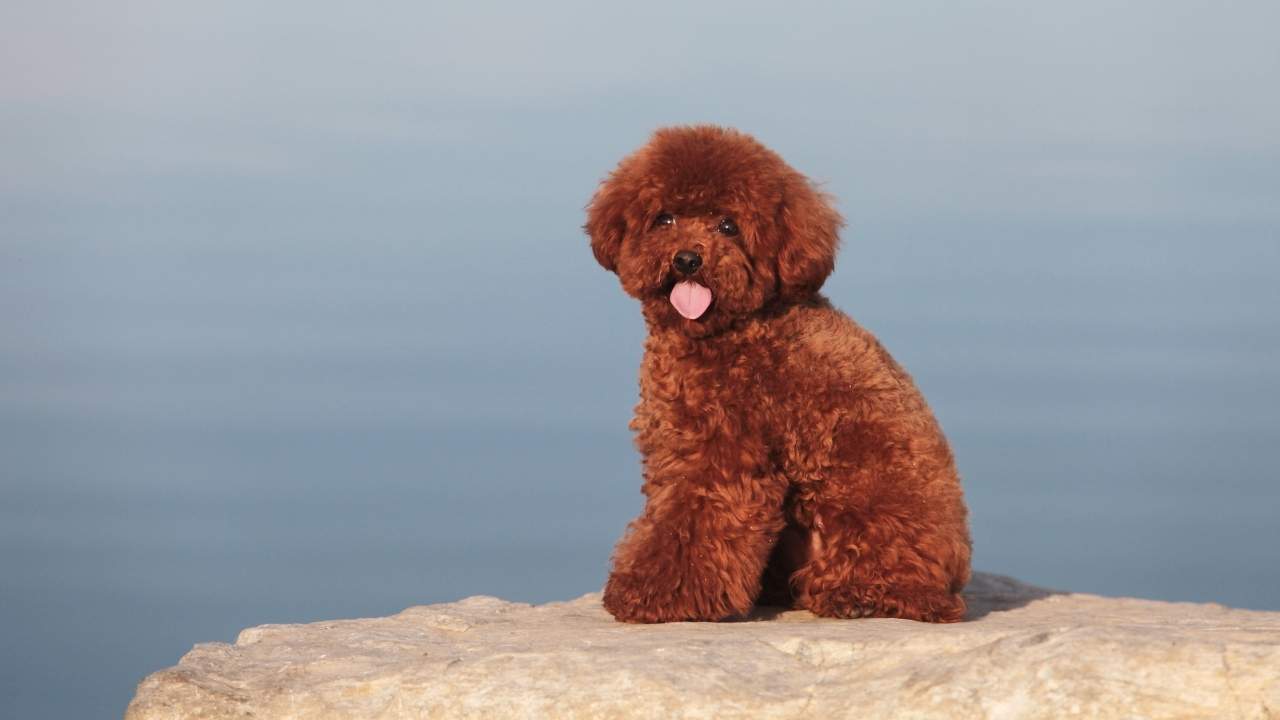
Fluffy, fabulous, and surprisingly athletic—Poodles are more than just their stylish haircuts. Originally bred as water retrievers in Germany, they’re now one of the most intelligent and adaptable dog breeds, making them a perfect fit for families with small children. Bonus: They come in three sizes (Toy, Miniature, and Standard), so you can choose the best match for your family’s lifestyle.
Poodles are famous for their hypoallergenic coats, which means less shedding (and less sneezing) around newborn babies. But that fancy fur does require regular grooming to prevent mats. Whether you go for a classic cut or a low-maintenance trim, keeping up with brushing is a must.
Highly intelligent and eager to learn, Poodles pick up new rules quickly—whether it’s leash training or adjusting when a baby arrives. Their playful nature makes them great companions for both the baby and older kids, and they have just the right mix of energy and patience.
Exercise is a must! Poodles may look dainty, but they have a high energy level and love to play. Daily walks, mental stimulation, and some fun training games will keep them happy. A bored Poodle is a mischievous Poodle, so keep them entertained!
Purina reports that health-wise, they’re generally robust but can be prone to hip dysplasia and eye conditions. Regular vet check-ups and a nutritious diet help them stay in tip-top shape. And good news—Poodles tend to have a long lifespan, often living 12–15 years!
Fun fact: Poodles were once circus performers thanks to their intelligence and agility. So don’t be surprised if your fur baby learns new tricks faster than your young child!
6. Beagle
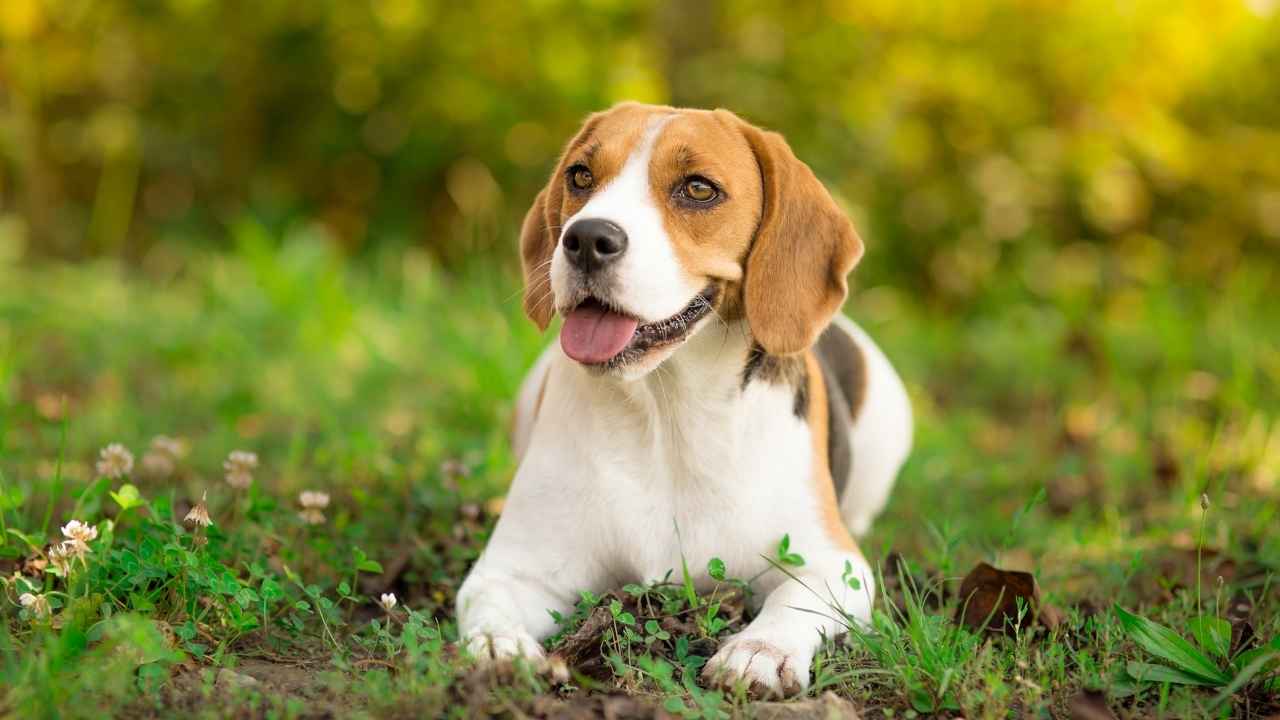
Curious, clever, and always ready for adventure, the Beagle is the ultimate explorer—except instead of hunting, they’ll be tracking down snack crumbs left by small children. Originally bred as scent hounds, these dogs are now great family pets, known for their friendly personalities and playful nature.
This medium-sized dog stands about 13–15 inches tall and weighs 20–30 pounds, making them a perfect fit for families looking for a sturdy yet manageable pup. Their gentle disposition makes them wonderful around children, and they’ll happily tag along on any family outing.
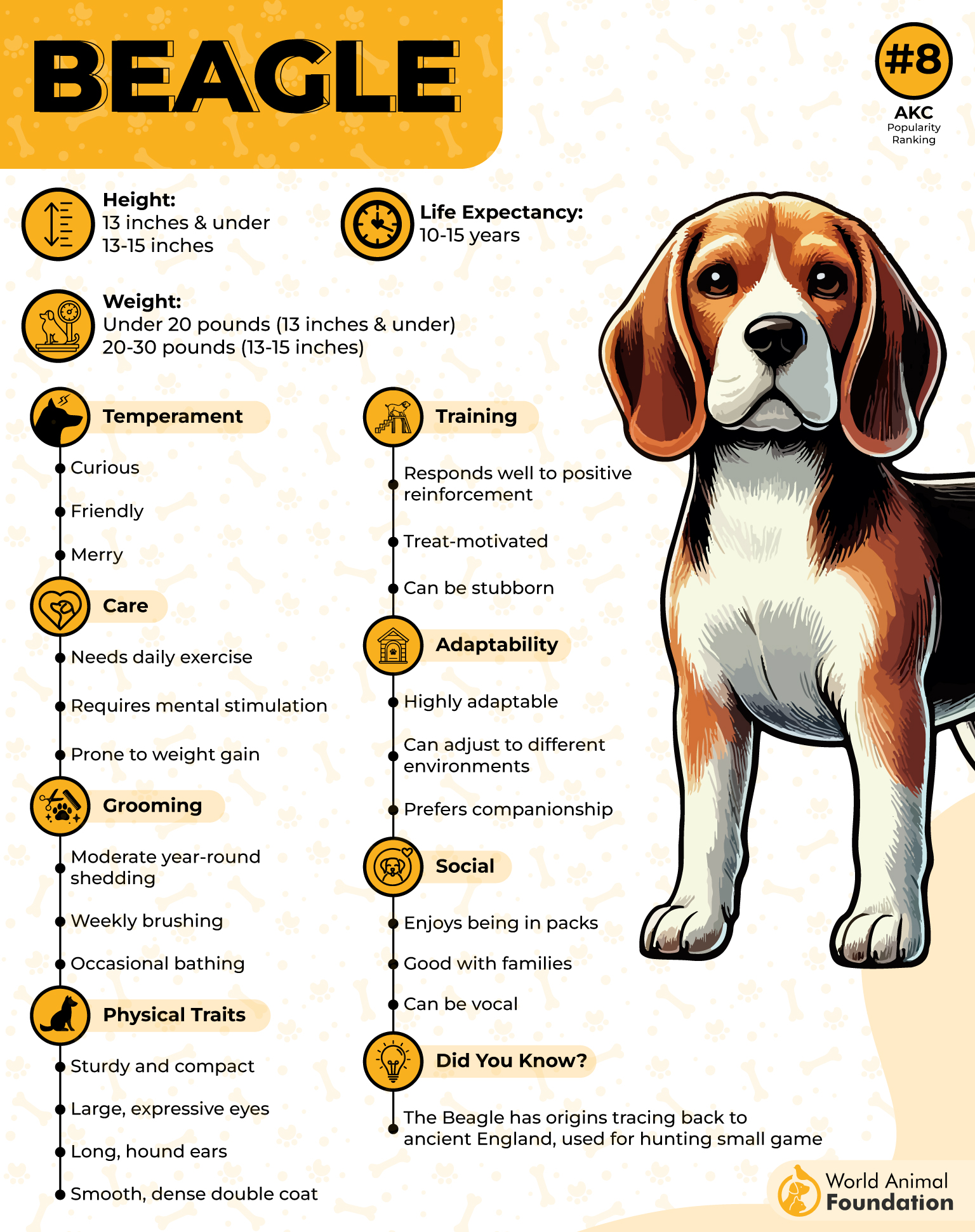
Beagles have short, low-maintenance coats, but their floppy ears need regular cleaning to prevent infections. They shed moderately, so expect a little fur on your baby’s onesie—but that’s just part of the package when you have a lovable, cuddly dog!
Training a Beagle takes patience. They’re intelligent but easily distracted—especially if they catch an interesting scent. Teaching them new rules after a baby’s arrival might take a little extra effort, but their affectionate nature makes it worth it.
Health-wise, they’re generally sturdy but can be prone to obesity if they snack too much (and let’s be honest, they’ll try). Keeping them active and monitoring their diet helps keep them healthy. Supervise interactions, though—Beagles love to play, but they can be a little too enthusiastic when excited.
Fun fact: Beagles have one of the best senses of smell in the dog world, second only to Bloodhounds. So don’t be surprised if they always find the hidden snacks before your young child does!
7. Pug
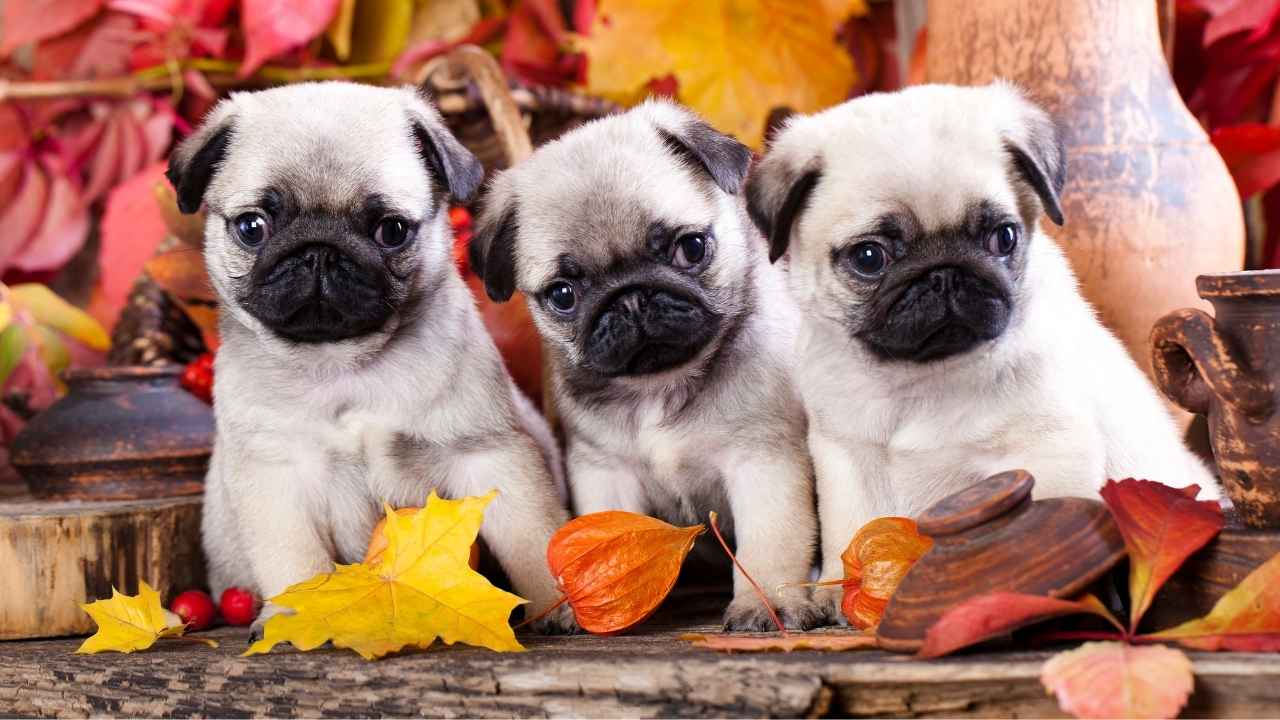
A tiny dog with a big personality, the Pug is a living, snorting stuffed animal. Originally bred as lap dogs for Chinese royalty, they’ve perfected the art of being great companions. If you’re looking for a gentle, affectionate, and endlessly entertaining family member, a Pug might be your perfect match.
Pugs are small dogs, typically weighing 14–18 pounds and standing about 10–13 inches tall. Their compact size makes them great for families with limited space, and their love of cuddling means they’ll happily nap next to a newborn baby. Just be prepared for their signature snorts and snores!
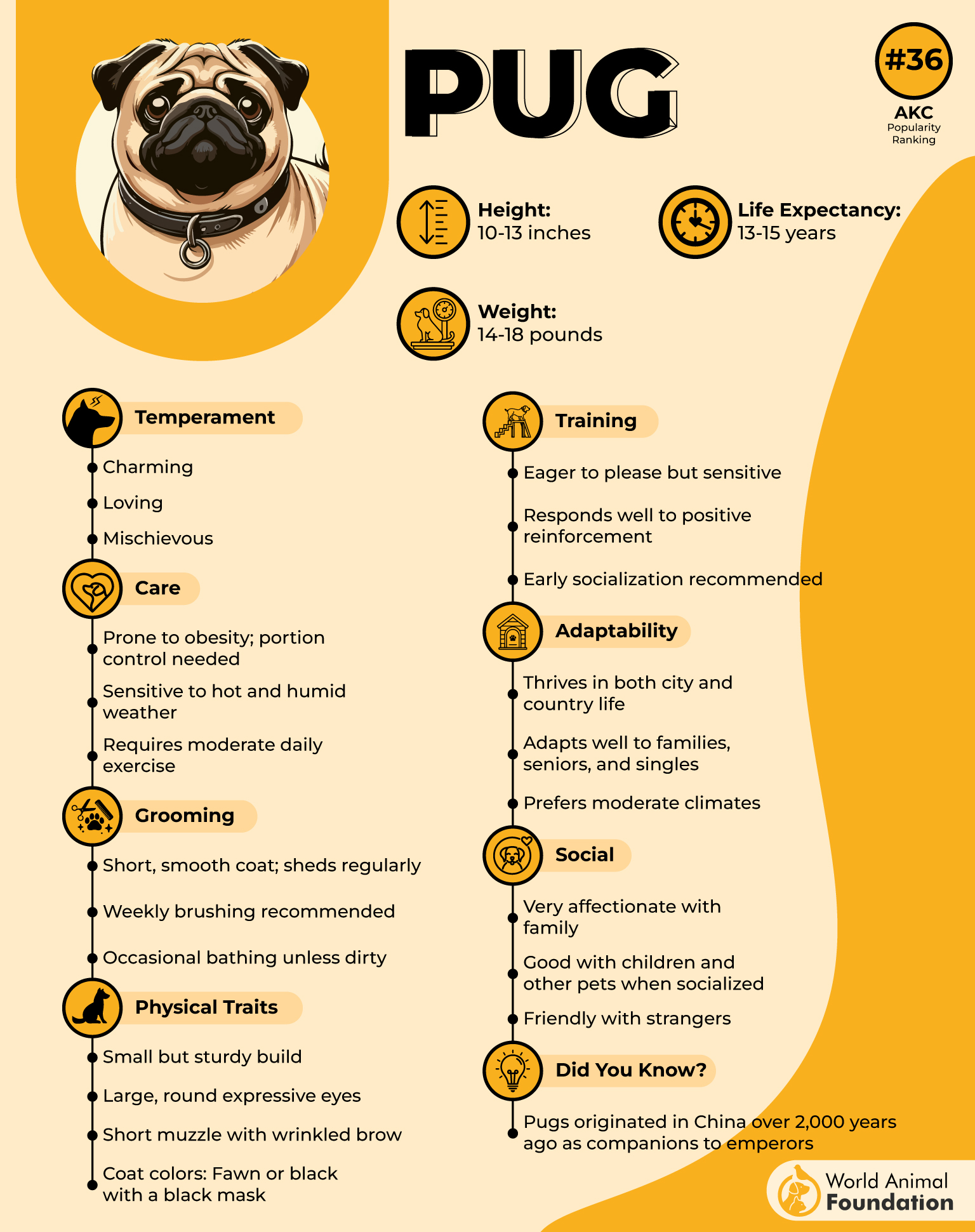
With their short coats, Pugs are low-maintenance in the grooming department—just a quick brush and occasional dog’s ear cleaning will do. However, they’re prone to overheating, so keeping them cool is important, especially during playtime with young children.
Training a Pug is fun (and sometimes hilarious). They’re intelligent but also a little stubborn, so consistency is key. They thrive on positive reinforcement and will do just about anything for treats—which means keeping an eye on their diet to prevent weight gain.
Health-wise, their flat faces make them prone to breathing issues, and they can also develop joint problems. Regular vet visits, a balanced diet, and supervised interactions with other children and pets help keep them in top shape.
Fun fact: Pugs were once the official dogs of the Dutch royal family! So when your fur baby gives you that royal pout, just remember—they were bred to be spoiled!
Final Verdict
Bringing a dog into your family is more than just adding a pet—it’s welcoming a lifelong companion who will grow, play, and bond with your baby in ways you never imagined. From the gentle Newfoundland to the playful Boxer, each breed brings something special, whether it’s patience, protection, or an endless supply of cuddles.
The best dog breeds for babies are those with a loving temperament, a gentle disposition, and an instinctive ability to bond with small children. Labradors and Golden Retrievers shine as playful protectors, while Poodles and Beagles bring intelligence and charm. And for those who love a tiny sidekick, the Pug’s small size makes it a perfect fit for cozy snuggles.
Of course, every dog learns and adapts differently, and finding the right match depends on your family’s lifestyle. Some may prefer other dogs like the affectionate Cavalier King Charles Spaniel, while others might love the high-spirited Irish Setter. The key is to gradually introduce your new baby and fur baby, ensuring a strong, lasting friendship.
A dog’s unconditional love teaches a valuable lesson about companionship, kindness, and responsibility—especially for young children. Watching your infant and their furry best friend grow up together is a heartwarming experience unlike any other.
So, which breed feels like the perfect addition to your family? Whether it’s a gentle giant or a playful pup, one thing’s for sure—your new baby is about to gain a best friend for life.
Still unsure? Take a walk holding hands (and paws) at your local shelter or breeder. You might just find the perfect four-legged puppy waiting to join your family!