
WorldAnimalFoundation.org is reader-supported. When you buy through links on our site, we may earn an affiliate commission. Learn More
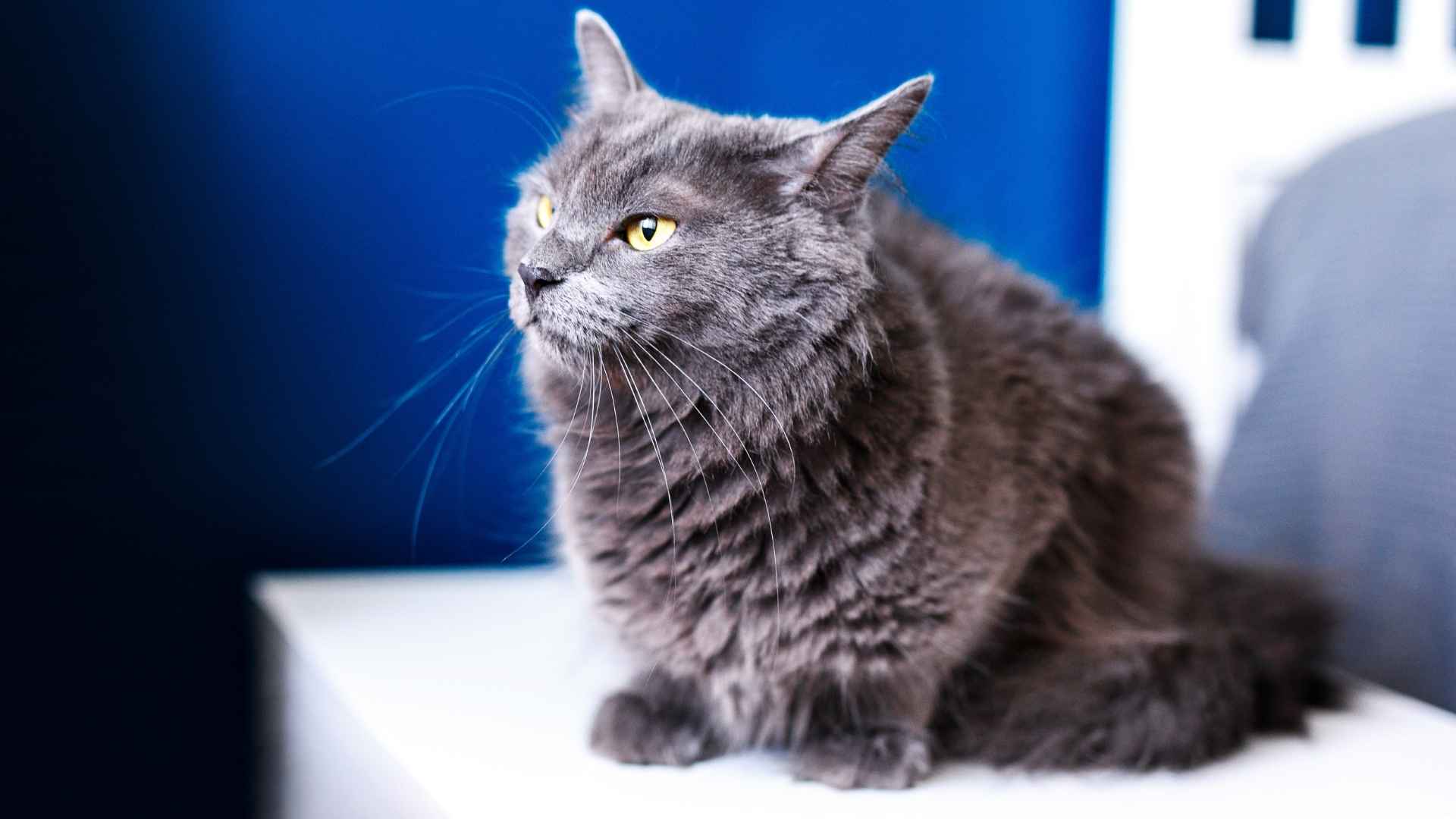
Have you ever gazed into the gentle eyes of a silvery cat and felt an instant wave of calm? That soft, blue-gray coat seems to whisper serenity right into your heart.
If you’re searching for a companion whose beauty matches their affectionate nature, blue gray cat breeds might just be the perfect fit.
Their plush fur, soothing coloration, and gentle temperaments blend seamlessly into family life. Many of these blue cats are also praised for their intelligence, playful spirit, and eagerness to form strong connections with their favorite humans.
In this article, we will discuss several enchanting options and share how each blue cat breed shines in its own way.
Blue Gray Cat Breeds
1. Burmese
You might instantly fall for the Burmese cat’s enchanting gaze and velvety, bluish-gray fur. Their origins trace back to Burma (now Myanmar), but they were later refined and popularized in the United States. Burmese cats often form deep bonds with their human families, brightening daily life with affectionate headbutts and soft meows.
They’re known for playful antics, chasing laser dots or pouncing on toy mice. Despite their lively spirit, Burmese also appreciate downtime, curling up on your lap after a spirited play session. Their gentle temperament blends well with children, seniors, and other pets, making them a welcome fit in diverse households.
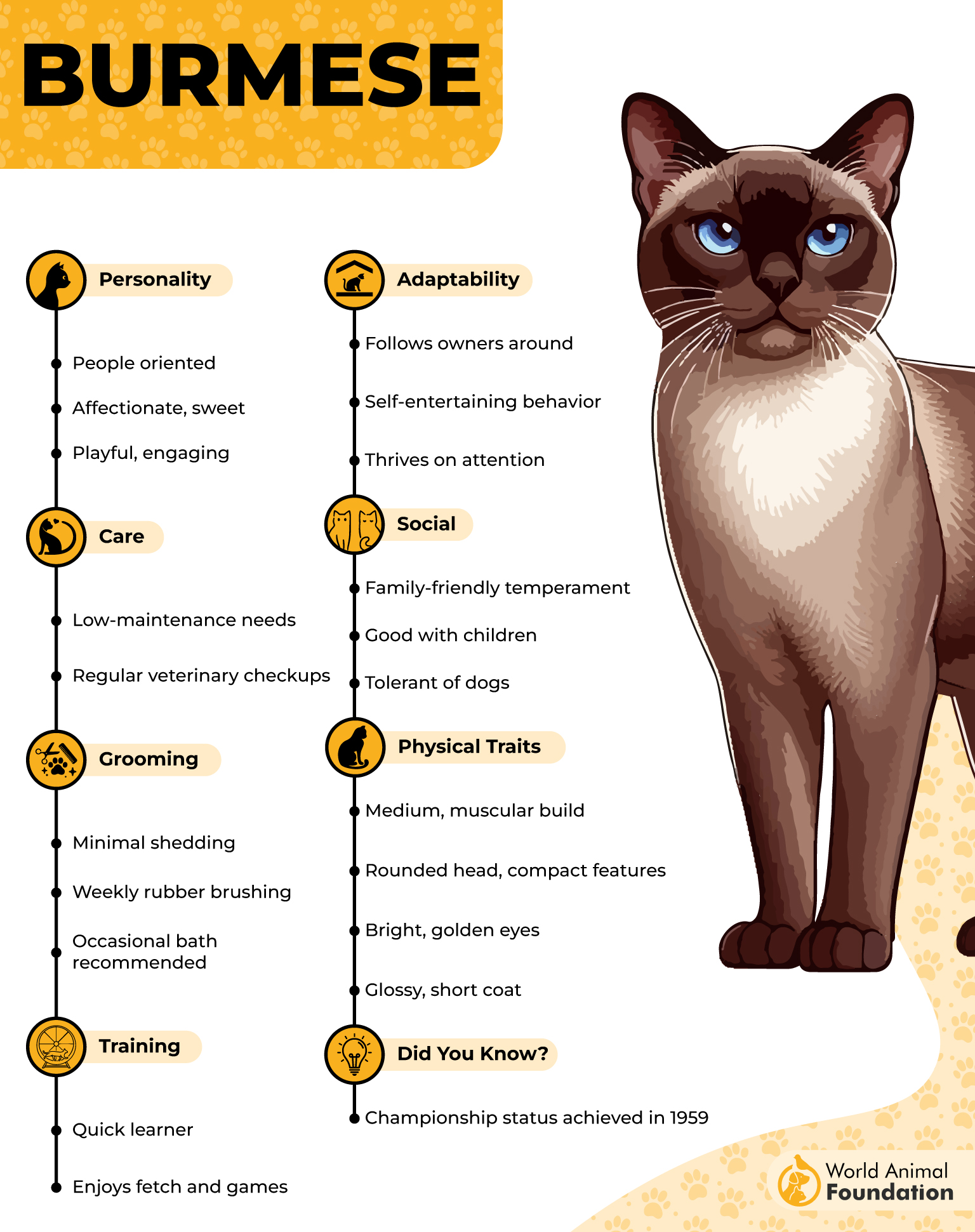
When it comes to grooming, Burmese cats need only a quick weekly brush. Their short, glossy coat requires minimal maintenance, though regular nail trimming and ear checks remain important. A consistent routine keeps them looking and feeling great.
Their intelligence shines through inquisitive behavior. You might find a Burmese investigating new objects or attempting to figure out puzzle toys.
They’re quick learners and respond well to positive reinforcement, so teaching simple tricks can be a fun activity.
2. British Shorthair
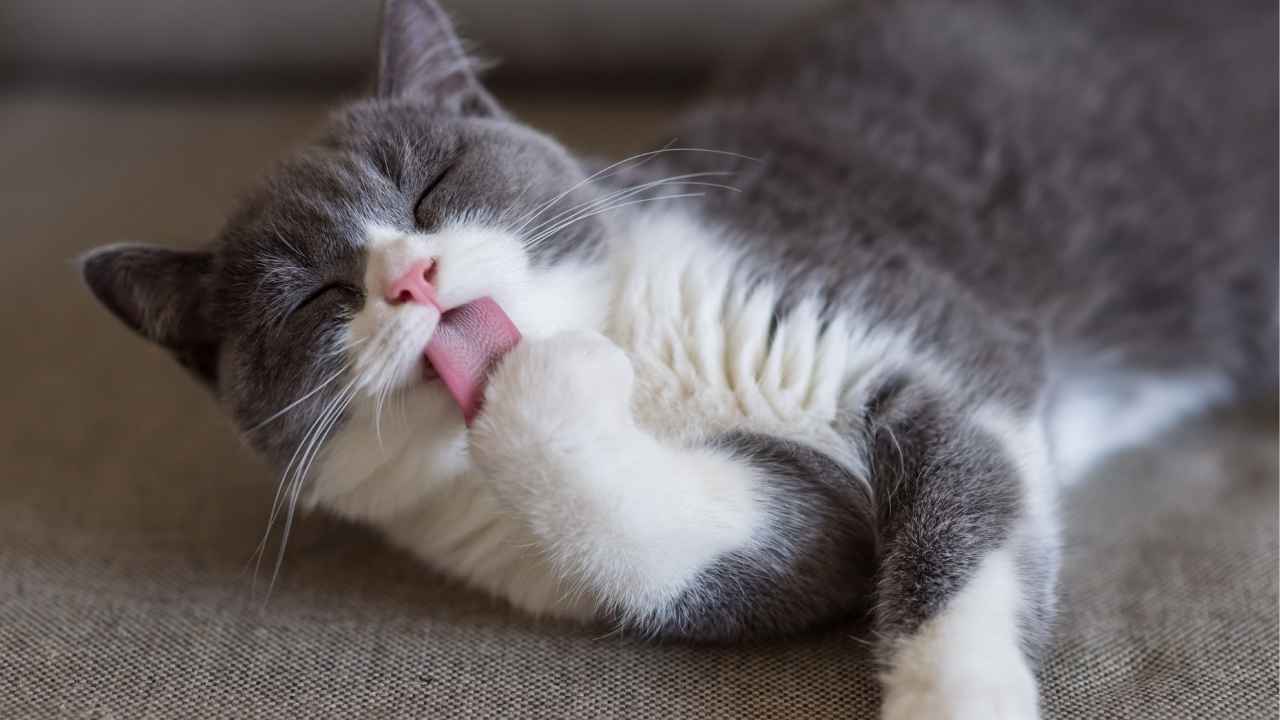
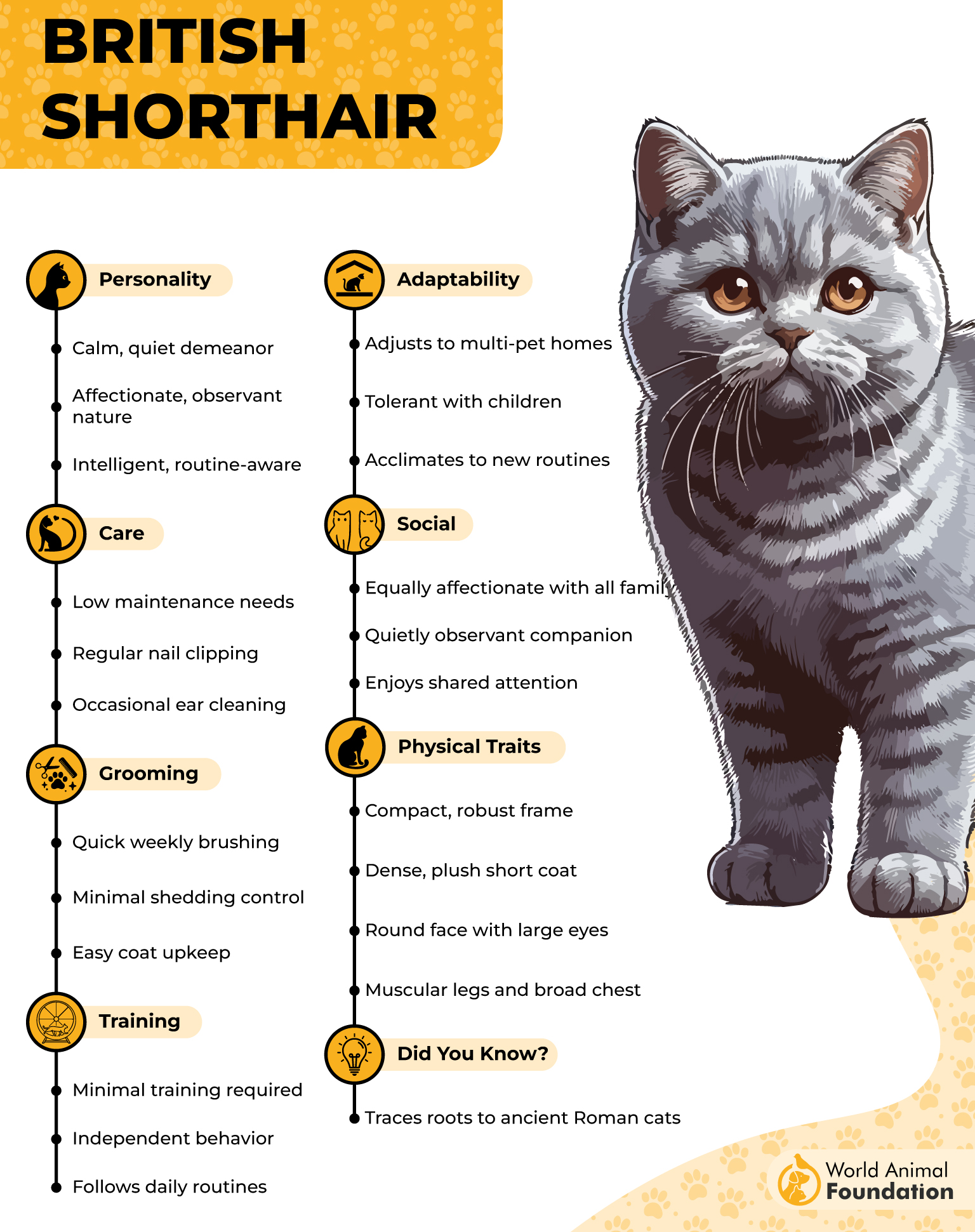
The British Shorthair is admired for its plush, dense coat and round, soulful eyes. Often seen in a medium gray or dark gray tone, they exude a classic elegance that easily captures hearts.
Tracing their roots to ancient Roman felines, today’s British Shorthairs are famed for their easygoing charm.
One standout trait is their calm demeanor. They often prefer quiet observation over high-energy antics, though they do enjoy an occasional pounce on a feather wand.
This balanced nature suits many lifestyles, including busier households that can offer moderate but consistent interaction.
Weekly brushing can help manage seasonal shedding and keep their woolly coat tidy. Their short, plush fur doesn’t tangle easily, making grooming a relatively smooth process. Still, regular grooming and nail trimming remain key parts of their routine.
Though sometimes reserved, British Shorthairs show deep devotion once they form strong bonds with you. They happily lounge by your side or hop up for a cozy snuggle. If you need tips on introducing cats to new environments,
According to Purina, a healthy diet ensures your British Shorthair stays fit and content. Their steadfast loyalty, easy going nature, and charming presence make them a joy to have around.
3. British Longhair
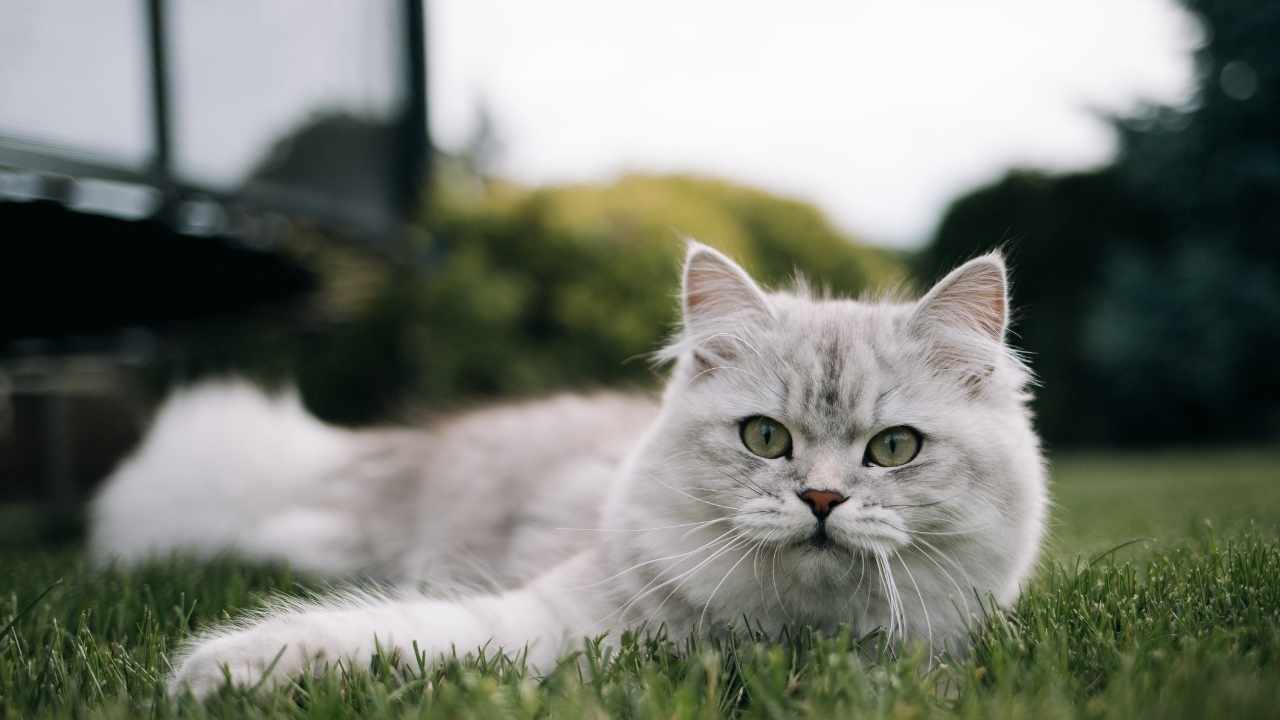
If you’ve ever longed for a fluffier version of the British Shorthair, meet the British Longhair. Sporting a blue-grey or light-grey coat color, they have a luxurious, medium-to-long coat that turns heads wherever they go. Like their shorthaired relatives, these cats often possess a laid back temperament.
Grooming is more involved due to their longer fur. They benefit from brushing at least two to three times a week to prevent tangles, especially around the neck and hindquarters. Though it sounds like a chore, many British Longhairs relish the extra attention.
These felines enjoy quiet lounge sessions, content to observe family life. Short playtimes with feather toys or rolling balls help them maintain a healthy physique.
A balanced meal plan is vital to support their immune system and coat quality. By combining nutritious meals, daily grooming, and a gentle approach, you’ll help your British Longhair flourish.
Above all, this breed’s plush blue gray fur and mellow disposition create a calming vibe in any home. Their regal appearance and lovable nature ensure that every cuddle session feels like a small royal visit.
4. Russian Blue

Regarded by many as the quintessential “blue” breed, the Russian Blue boasts a sleek, silver tipped coat and vivid green eyes. Historically linked to Russia’s imperial courts, they’ve since graced homes worldwide with a unique blend of independence and affection.
Often described as highly intelligent, a Russian Blue cat can quickly figure out household routines, and might even learn to open doors in search of treats.
They form strong bonds with their human companions but can appear reserved around unfamiliar faces. Offering a calm, stable environment helps these sensitive souls thrive.
Their short, thick double coat benefits from a gentle weekly brush. Shedding is typically moderate, though consistent care reduces stray hairs.
Because they’re watchful and refined, some people see them as a good luck charm, especially in folklore.
Watching your Russian Blue gracefully move around the home can be a daily reminder of just how elegant blue coloring can be.
5. American Shorthair
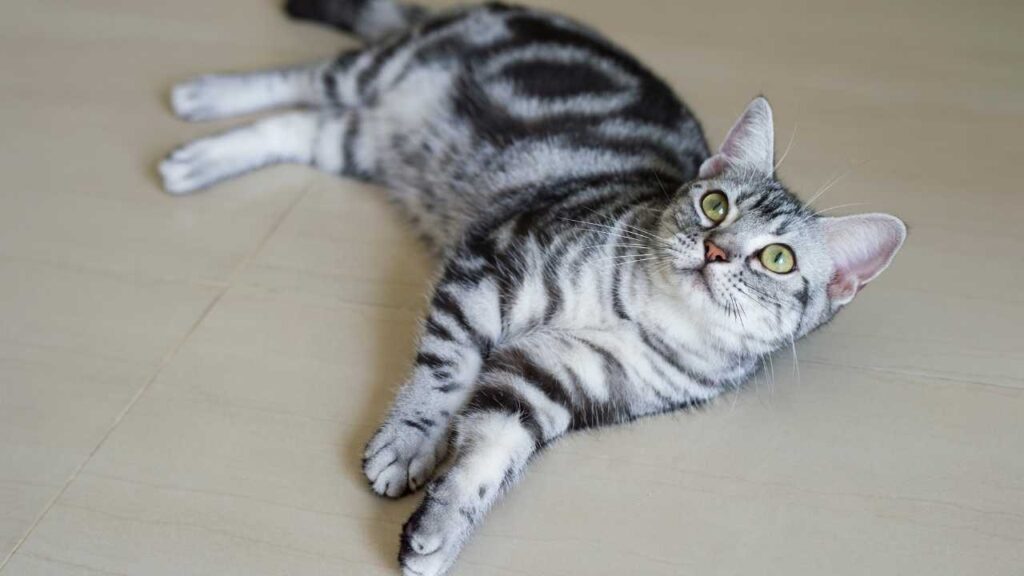
Hailed for resilience and adaptability, the American Shorthair in blue coats showcases a sturdy build and charming personality.
They’re descendants of working cats brought by early settlers, evolving into a loyal, family-friendly breed that balances playfulness with a relaxed vibe.
They enjoy interactive activities like chasing feather wands or puzzle feeders. Thanks to their sociable nature, American Shorthairs typically coexist well with children, seniors, and other cats. Meeting new people often sparks their curiosity rather than fear.
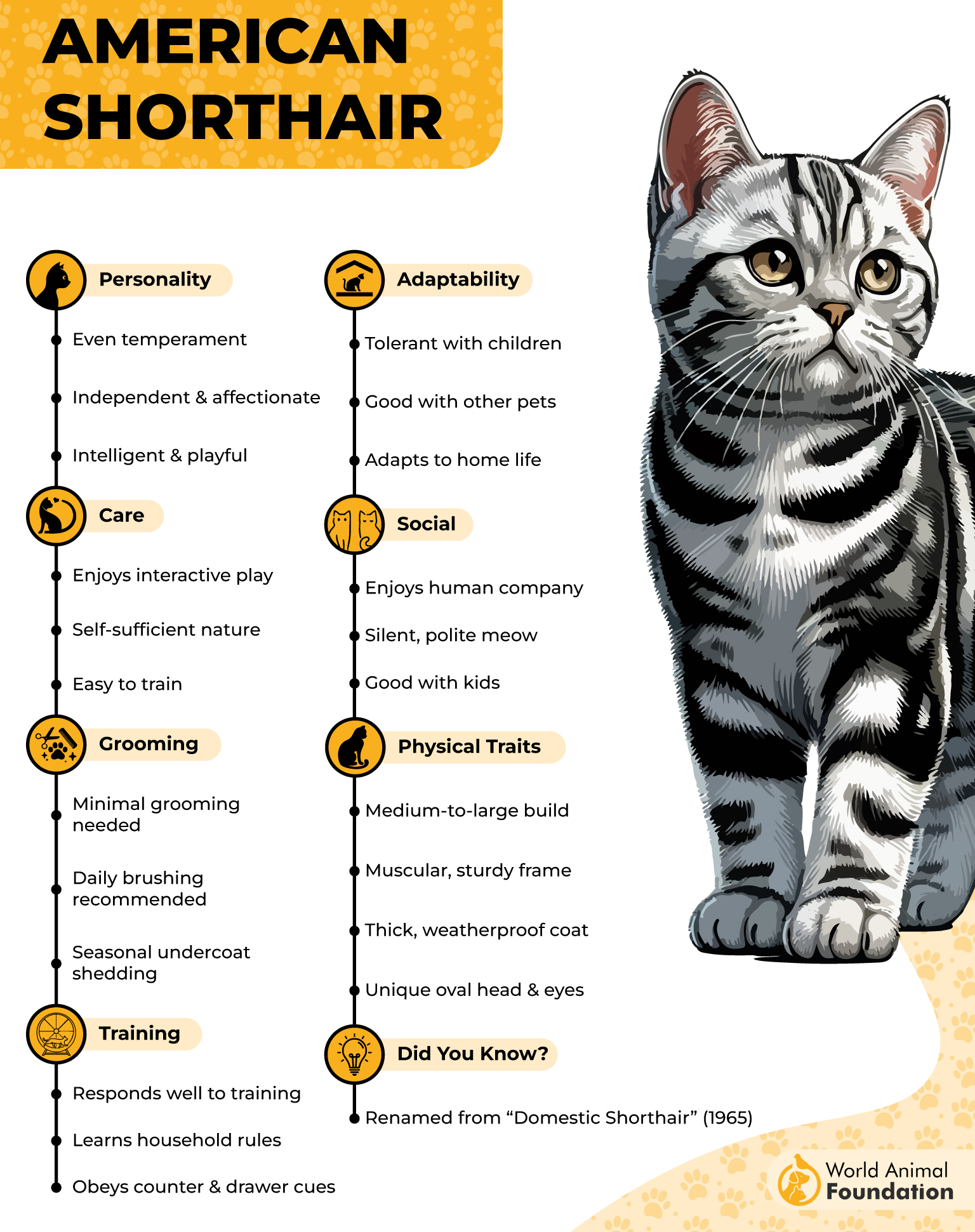
A quick weekly brush usually suffices for their short hair, removing loose fur and reducing shedding. While not exactly a rare breed, American Shorthairs are beloved for their strong health, moderate grooming needs, and amiable disposition.
Keeping them active prevents weight gain, so a variety of toys and daily interactions work wonders. This shorthair cat is a wonderful household addition thanks to its unique personality and welcoming aura.
6. Domestic Shorthair
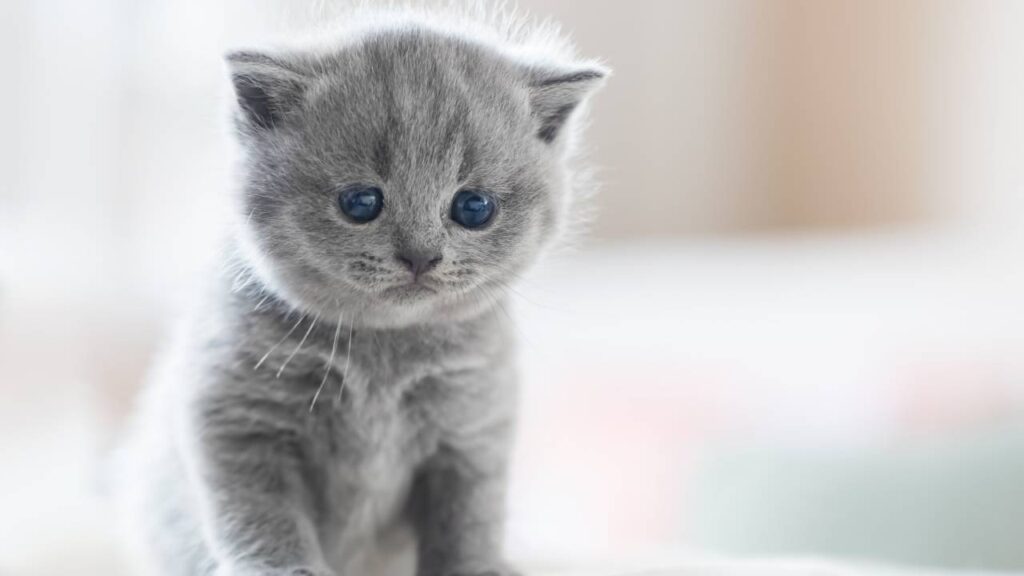
Affectionately called “moggies,” Domestic Shorthair cat varieties sport all sorts of colors and patterns, including spectacular blue grey tones. They aren’t a formal breed but rather a delightful blend of different feline lineages, which means no two look or behave exactly alike.
Their physical characteristics can range from slender to stocky, and their tufted ears or round eyes might reveal hints of ancestry.
Because they’re part of a vast domestic cat population, each Domestic Shorthair has distinct personality traits, but most adapt well to home life with consistent care and affection.
Weekly brushing handles any loose cat’s fur, especially during seasonal shedding. Puzzle toys, climbing trees, and interactive sessions keep them mentally stimulated. This fosters a stronger bond and deters boredom-induced behaviors.
Although some Domestic Shorthairs seem shy, many show unwavering loyalty once they trust you. Their deep companionship and flexible nature explain why they’ve secured a place in countless households.
7. Persian
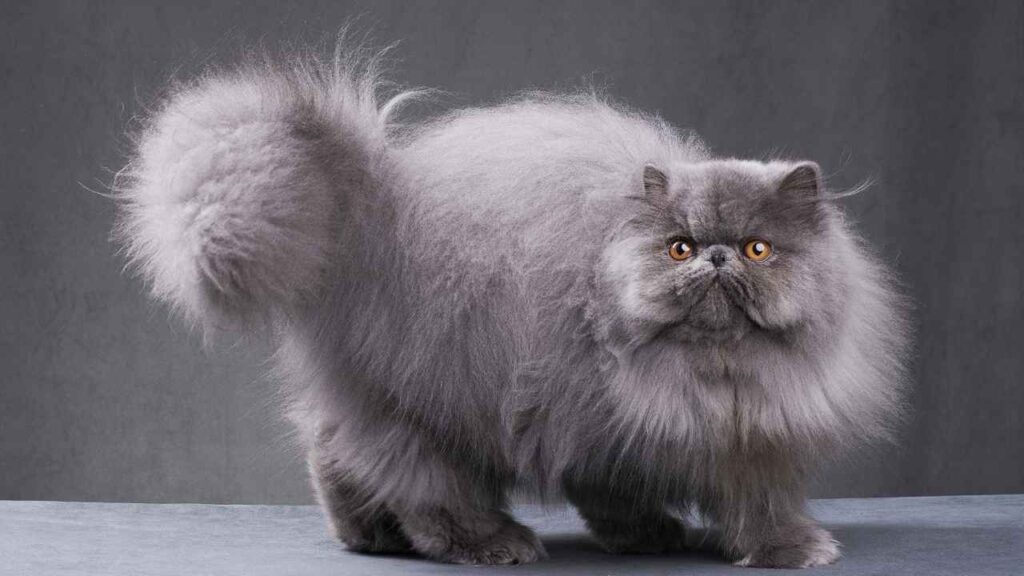
Renowned for a regal demeanor, Persian cat beauties often display a plush, long-haired cat look in smoky gray or blue hues.
Their adorable faces and round eyes quickly enchant cat lovers seeking an elegant household companion.
According to Royal Canin, they thrive in calm environments, preferring comfy nap spots over high perches. Short play sessions with gentle toys are usually enough to keep them content. Still, daily grooming is key because their long, thick coat mats easily without consistent brushing.
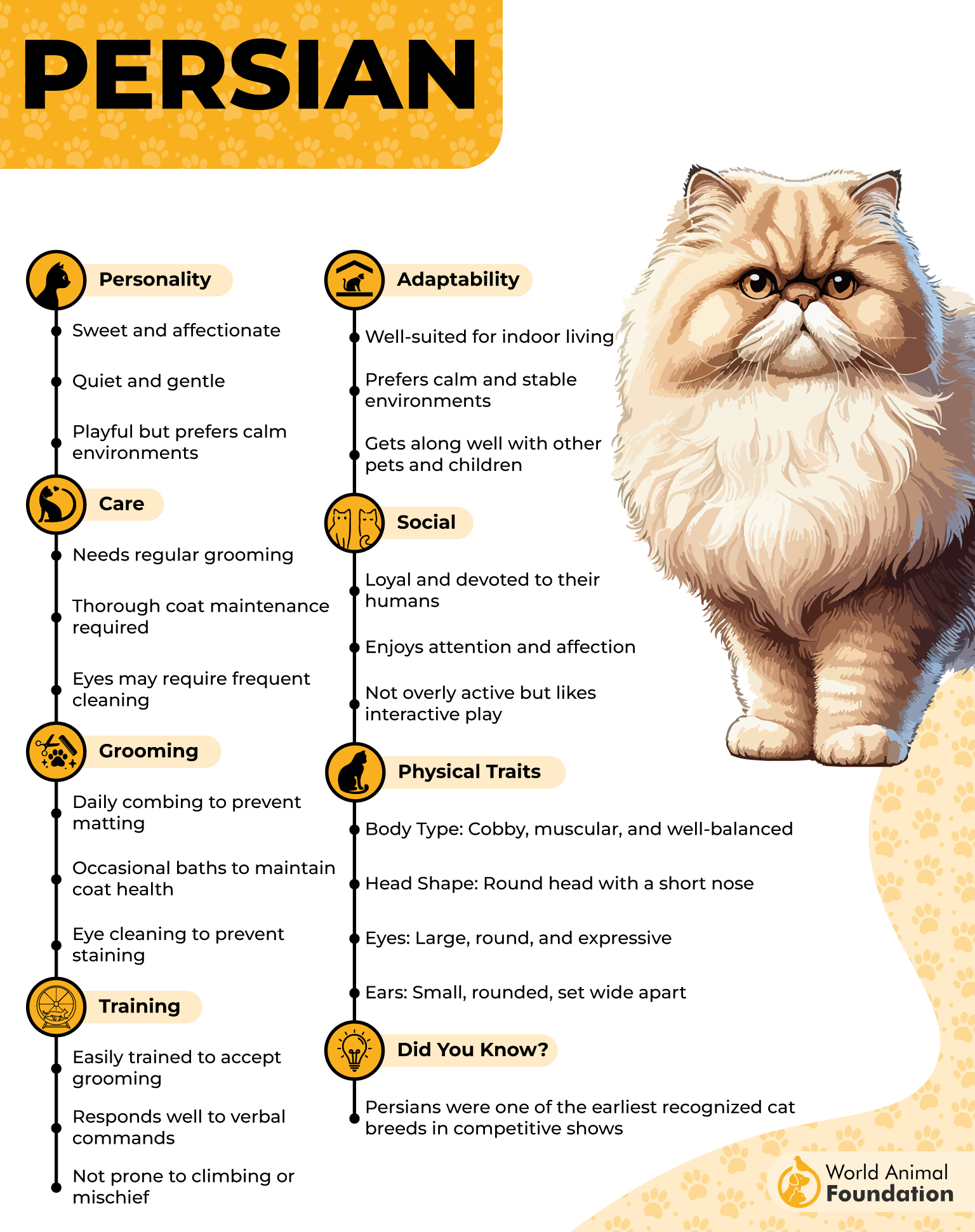
Persians also need occasional face cleaning, as their flat features can lead to tear staining. While they might be seen as aloof, many Persians are sweet and form strong bonds with patient owners.
Providing a healthy diet, cozy corners, and predictability helps them relax. Over time, you’ll discover just how loyal and loving Persians can be, disproving any notion that they’re purely decorative. They bring both beauty and warmth to your home.
Conclusion
Blue gray cat breeds captivate us through every stage of feline history, from the United Kingdom to far-reaching corners of the globe. During World War ii, enthusiasts worked tirelessly to preserve distinct lineages, ensuring we could still cherish cats that tend to be calm yet playful, like the serene blue British or the reserved Korat cat—both once hailed as a good luck charm.
Some coats feature silver tips or rely on two recessive genes to produce that iconic grey color. Others, like the Chartreux cat or Nebelung cat, appear in a bi color pattern or display vivid green eyes beneath their guard hairs. These felines carry on a proud heritage, weaving together centuries of breed standards evolution and adaptation.
Even within the same family, you might spot bright green eyes, a favorite person a cat never leaves for long periods, or a naturally laid back vibe. Their easy going nature fosters harmony with people and other breeds, underscoring how each feline’s unique personality can flourish over just a few hours of gentle, consistent interaction.
In many cases, recessive genes drive that subtle shift from light grey to dark gray, delivering the enchanting blue coats we love. Whether it’s a domestic cat or a more specialized variety, each exhibits endearing traits that amplify our bond as human companions.
Ultimately, these silvery felines remind us that no matter the coat color or lineage, love and regular grooming go hand in hand with a stable home. If you’re seeking a calm presence, consider adopting a shorthair cat or a fluffier breed in stunning shades of medium gray. Their time-tested allure will melt your heart—and brighten your life.