WorldAnimalFoundation.org is reader-supported. When you buy through links on our site, we may earn an affiliate commission. Learn More
Have you ever wondered if some cats genuinely get along with dogs? It may seem surprising, but many felines thrive in the company of a friendly dog. According to the ASPCA, there are roughly 3.2 million domestic cats adopted each year in the United States, and a large number of these kitties end up sharing their homes with canine family members.
Seeing them coexist happily is often heartwarming, especially if you’re a dog person eager to find feline friends for your pup. A cat with an affectionate nature can make life easier, forging strong bonds with both humans and animals in the house.
In this article, we will discuss seven amazing cat breeds that love dogs. You’ll learn about their personalities, why they blend well with canines, and how you can encourage a harmonious relationship in your own home.
Cat Breeds That Love Dogs
1. Ragdoll
Ragdolls are famous for their gentle, loving breed traits and calm demeanor. You may notice them greeting you at the door, often trailing behind wherever you go. Their tendency to relax in your arms—almost like a dog—makes them endearing to many pet owners. Even more appealing is how well they adapt to other animals, including a friendly dog.

They usually have a curious streak, which means they often sniff around or sit quietly rather than run away. If your canine remains calm, Ragdolls appreciate the company and might even share a cozy corner or sunny window seat. This easygoing nature can make a home feel warm and peaceful.
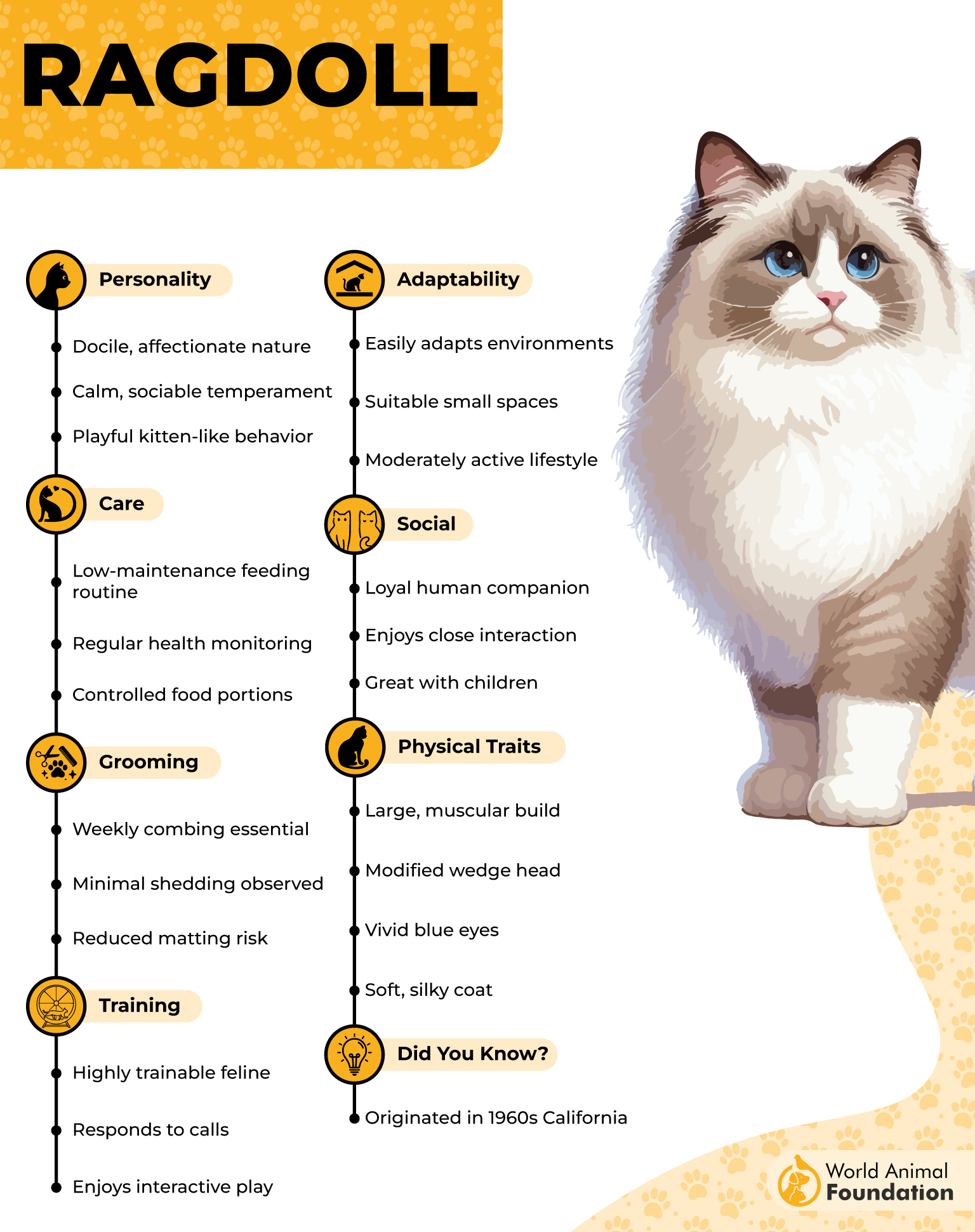
Don’t be surprised to see a Ragdoll doing something “dog like,” such as following you from room to room. Their puppy-like devotion extends to any familiar face, helping them bond nicely with dogs if introduced properly. Ensuring each pet has a safe space from the start is key.
Ragdolls rarely show aggression; instead, they pause to observe new situations before deciding how to proceed. This trait keeps them at ease during daily encounters with a canine companion. A positive, supervised meeting schedule often cements strong bonds between Ragdolls and dogs over time.
When introducing a Ragdoll to a puppy or grown dog, keep early sessions short and reward relaxed behavior with treats.
2. Maine Coon
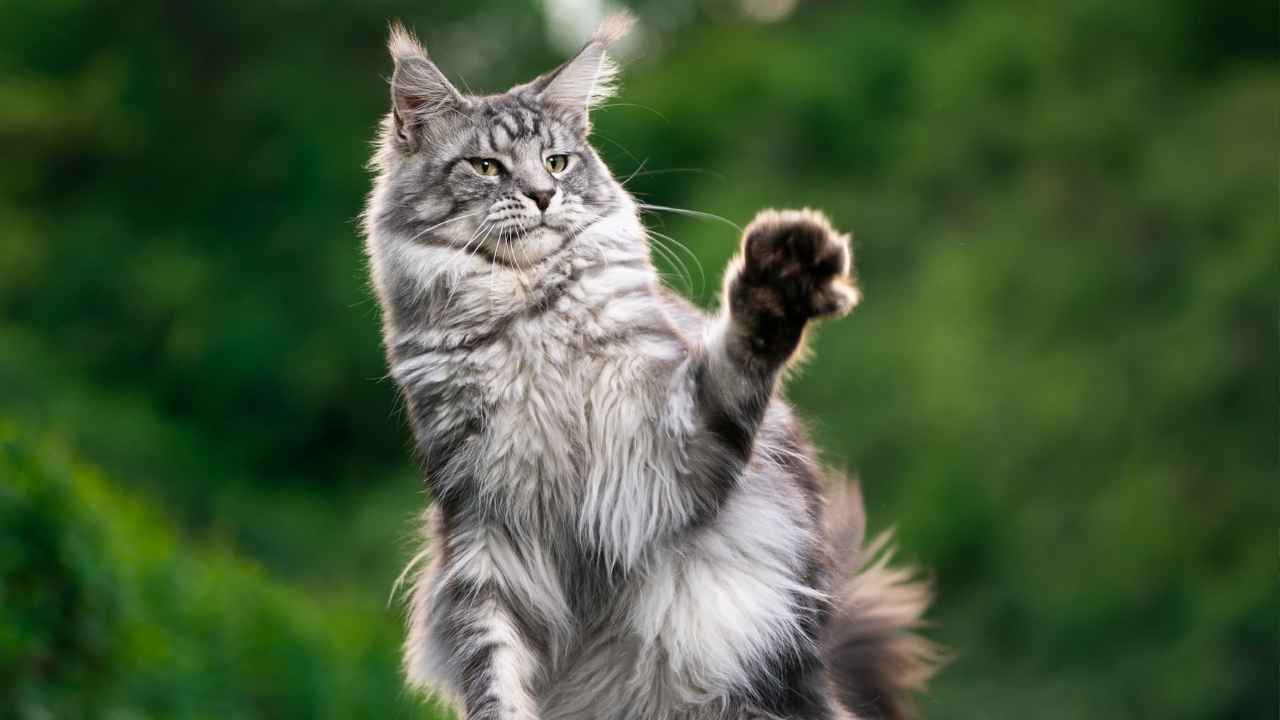
The Maine Coon (or Maine Coon cats, as some people call them) stands out with its large size and luxurious coat. Often called the “gentle giant,” this popular cat breed is known for its laid-back demeanor and dog-like personality. Many Maine Coons enjoy a good game of fetch, showing their playful side and knack for interacting with humans and canines alike.
Despite their sometimes imposing appearance, Maine Coons tend to be calm around energetic dogs. Their confidence, combined with an easygoing attitude, helps them keep the peace. It’s not unusual for a Maine Coon to watch a new canine enter the house with mild curiosity instead of fear or aggression.
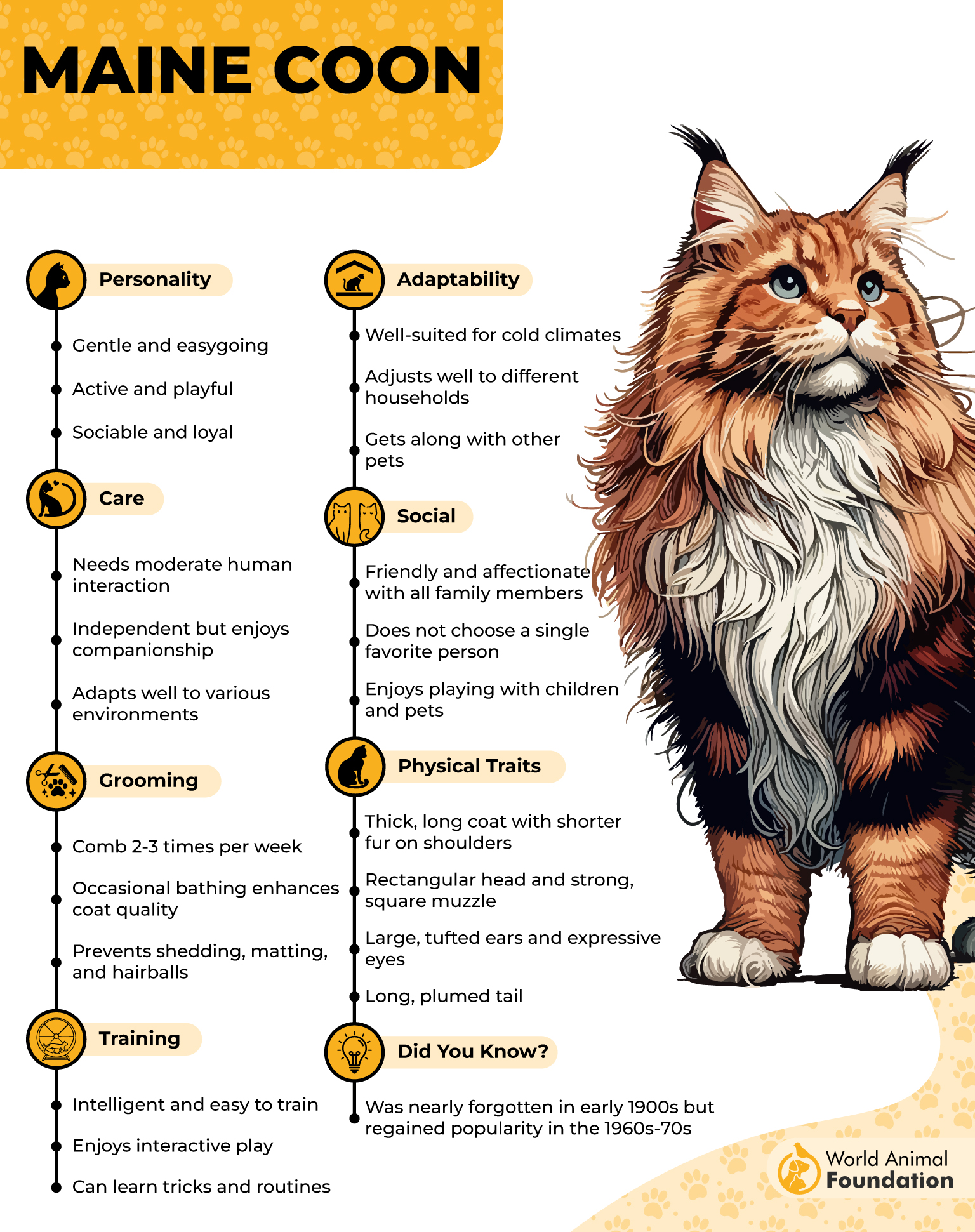
They also value human company and often hang out where the family gathers—whether that includes children, other pets, or a friendly dog. Gradual introductions remain vital for successful bonding. Offer each pet a private space while they get used to scents and sounds. Over time, Maine Coons usually adapt, even to big or boisterous canine pals.
Social intelligence sets Maine Coons apart. They pick up on household routines and appreciate gentle boundaries. If your dog tries to play too roughly, a Maine Coon might simply move away or give a low-key warning. Such balanced responses let them coexist harmoniously in busy homes.
When tensions arise, step in early with redirection and positive reinforcement. With the right approach, Maine Coons can become a loyal feline friend to your beloved canine.
3. Birman
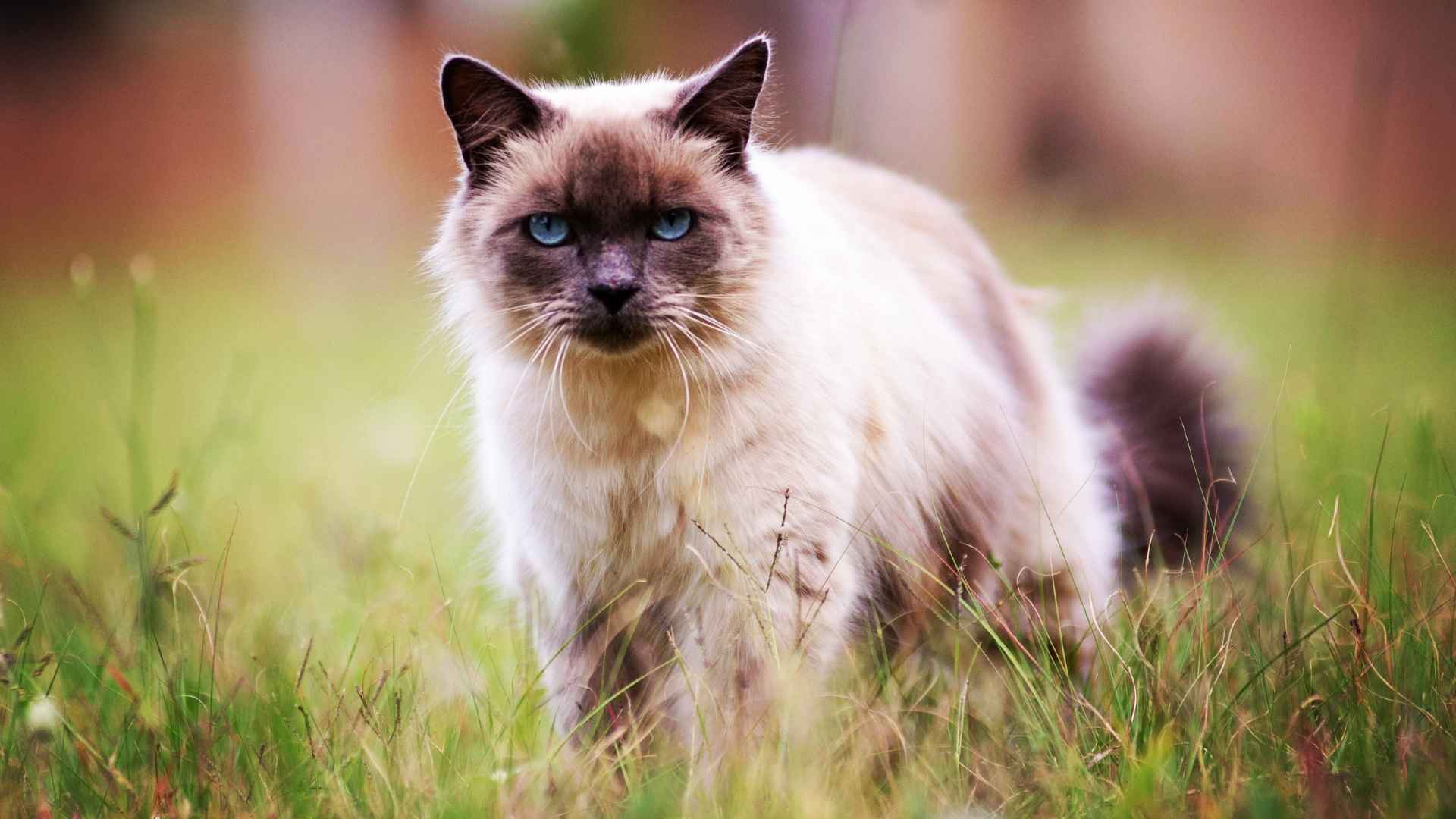
Birmans exude elegance with their silky coat and striking blue eyes, but they’re also famously calm and affectionate. If you’re introducing them to a canine friend, you’ll likely find they adapt nicely—provided the dog approaches gently. Their steady nature helps these felines cohabitate with other breeds of pets, particularly when they feel safe.
Often described as a loving breed, Birmans form deep bonds with people and other animals. They’re not quick to hiss or scratch, preferring to observe quietly before deciding how to respond. This composure can be a relief if you have a playful or curious dog roaming around.
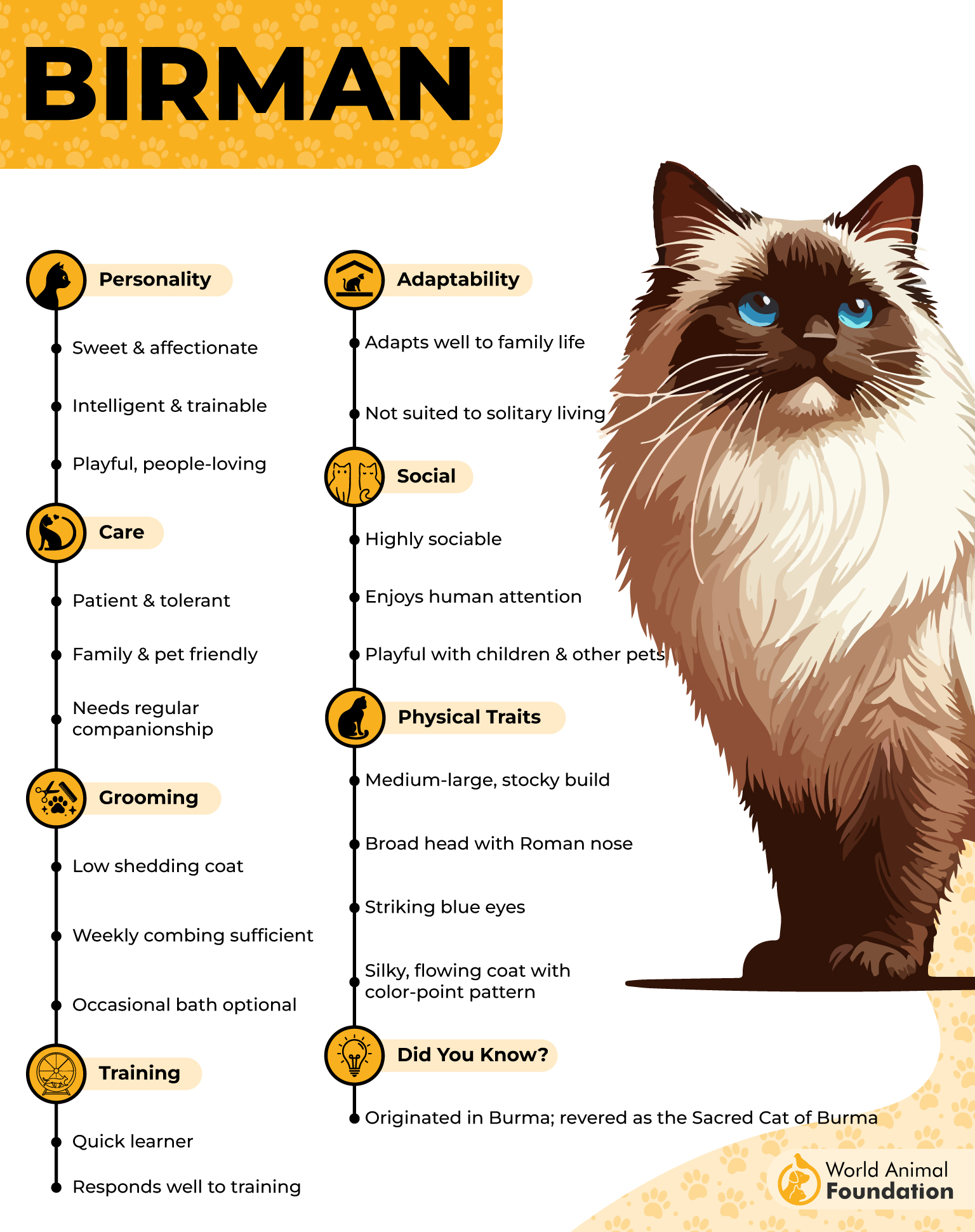
Their affectionate nature draws them toward human company, so don’t be surprised to find a Birman quietly following you—and, by extension, your dog—through the house. Offering separate cat and dog beds can help each pet understand they have personal zones. Over time, shared nap spaces can emerge, a sign of true acceptance.
During early interactions, keep the atmosphere calm and positive. Gently praise both the cat and the dog for looking at each other without tension. Over many short sessions, they can learn to trust each other.
Birmans also enjoy a peaceful environment, so enforce gentle handling by children or visitors. This respectful approach reassures your cat that new faces, whether canine or human, aren’t a threat.
4. British Shorthair
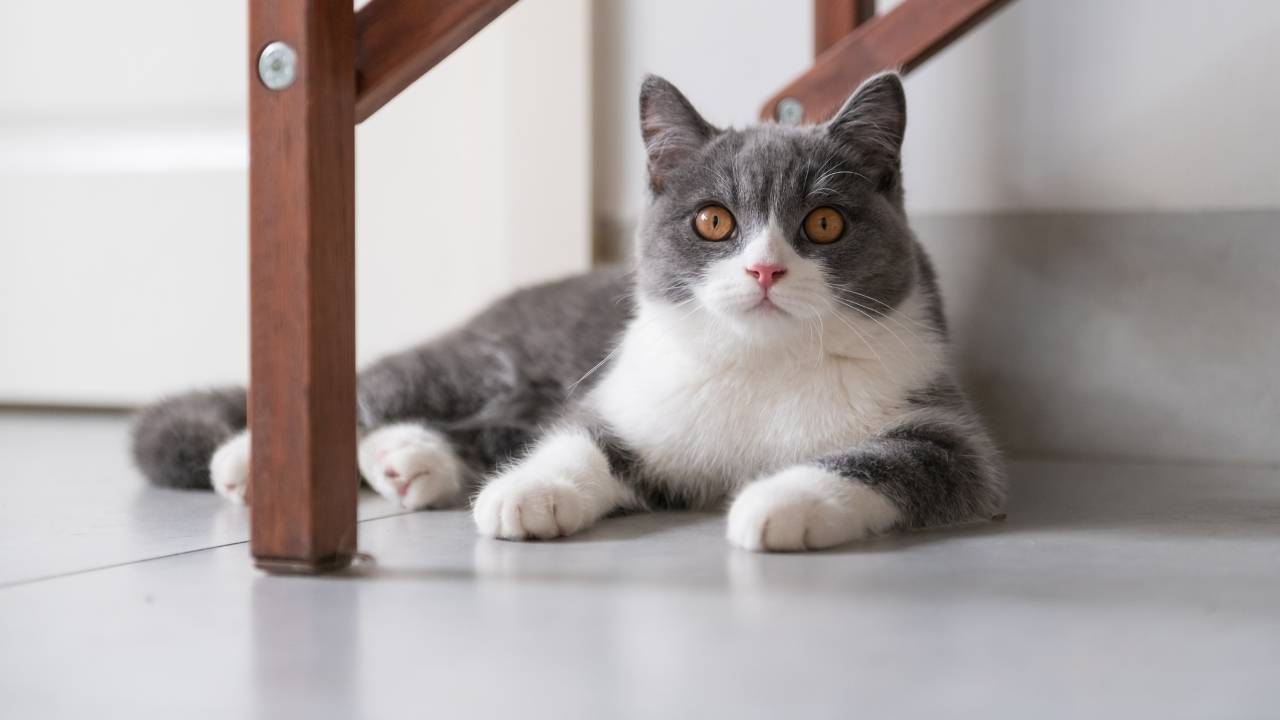
Renowned for its plush fur and round-faced charm, the British Shorthair is a calm, even-tempered feline. Although not as overtly clingy as some other breeds, they can coexist well with a friendly dog once they feel comfortable. Patience is key; these cats prefer to watch from a distance before jumping into any social setting.
A dog that respects boundaries usually finds a quiet companion in a British Shorthair. Rather than fleeing when approached, this cat might simply back away slowly if it needs space. Such balanced behavior goes a long way in maintaining household harmony.
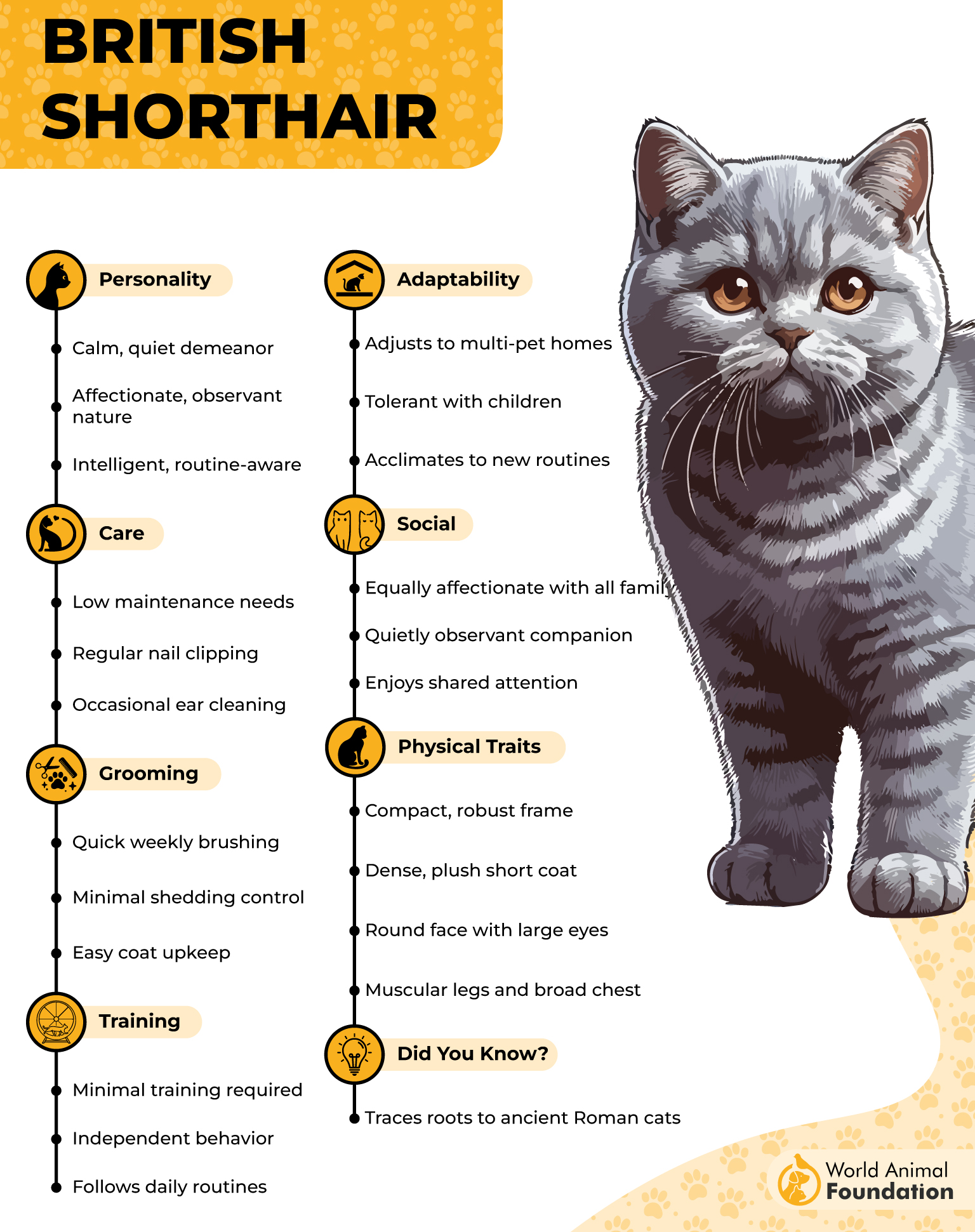
British Shorthairs also appreciate routine, so set predictable schedules for play, meals, and rest. Whether you’re dealing with a boisterous puppy or a mellow senior dog, gradual, supervised introductions promote trust. Provide vertical escape routes, like a cat tree, in case your British Shorthair wants to view the action from above.
Once they’ve adapted, don’t be surprised if you catch them lounging in the same sunny spot as the dog. Small steps, like shared treat times or gentle interactive play, can help them connect on neutral ground.
Sticking to soft interactions, a British Shorthair and dog can form a sturdy friendship over time. You’ll often see them relaxing nearby, demonstrating how dog friendly cats can be—especially with the right approach.
5. Abyssinian
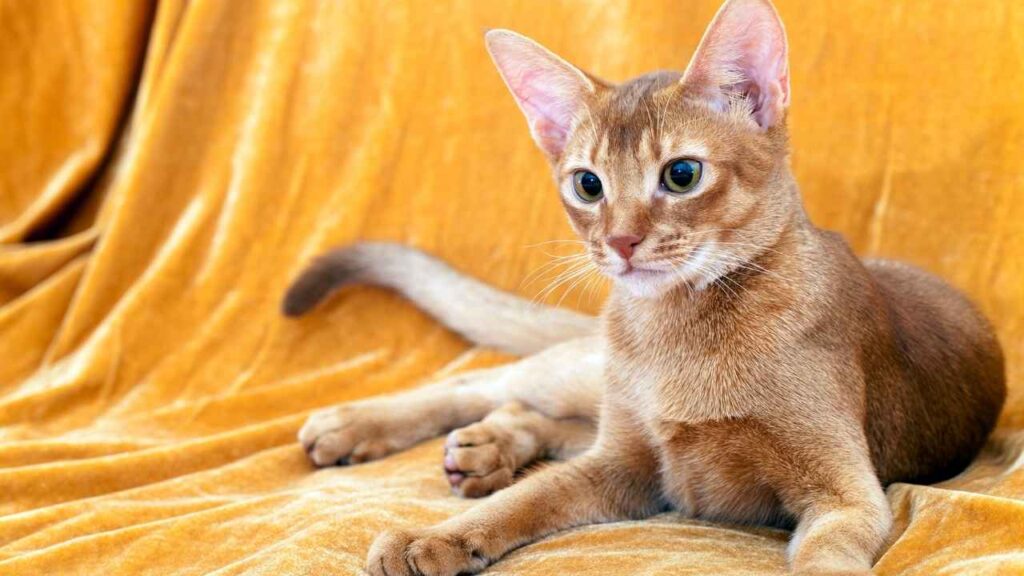
Energetic and curious, the Abyssinian delights in investigating every corner of your home. This high-intelligence breed can match well with a playful dog, as neither typically shies away from spirited activities. Rather than hiding from canine companions, Abyssinians often dash toward the excitement, eager to join in.
According to Purina, their lively personality enables them to adapt quickly, even to active dogs. While the hustle might seem hectic, Abyssinians thrive on interactive play. You might catch them leaping between furniture or racing down hallways in a burst of energy. Dogs that enjoy short bursts of fun can find a perfect partner here.
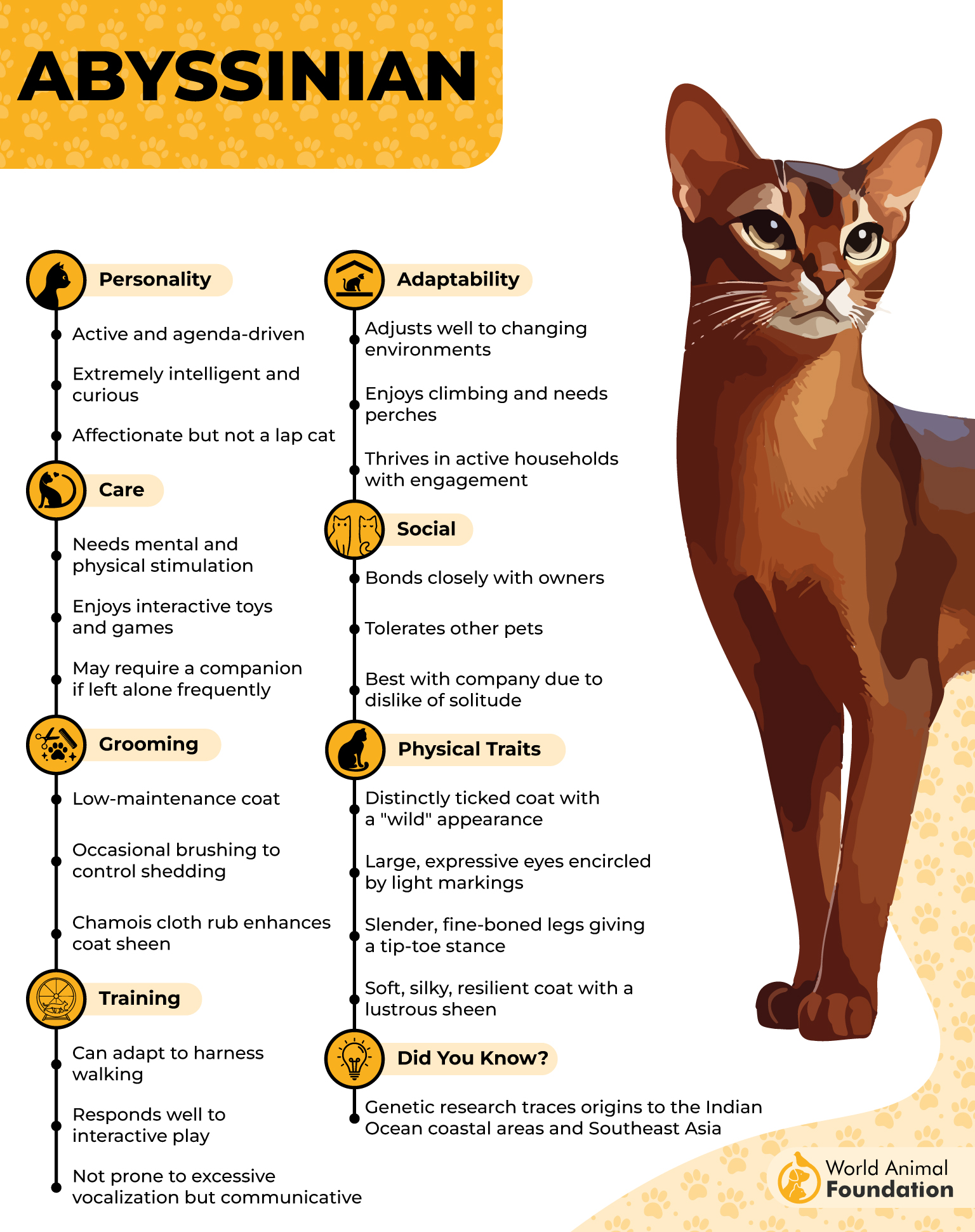
At the same time, Abyssinians relish attention from humans, making it easier to coordinate shared play sessions. Using positive reinforcement and rewarding them for calm, cooperative moments fosters respect between your cat and dog. Toys that encourage parallel play—like wand teasers for the cat and rope tug for the dog—help them bond without stepping on each other’s toes.
Ensure there’s enough vertical space or quiet corners, so your cat can retreat if the canine becomes overly excited. Gradual exposure remains essential.
Over time, your Abyssinian will likely learn commands and develop strong bonds with its canine friend, showcasing just how dog friendly certain cats can be when nurtured the right way.
6. Japanese Bobtail
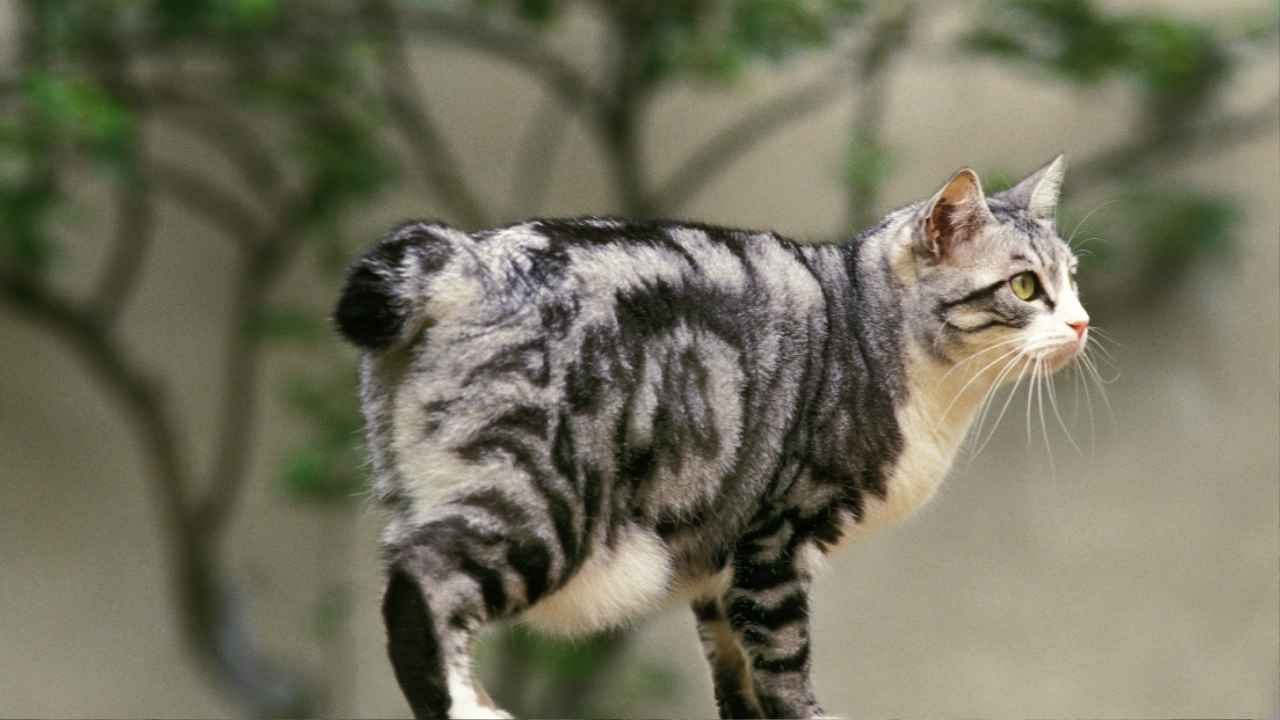
With a short, distinctive “bunny tail,” the Japanese Bobtail embodies sociability and a genuine zest for life. They often greet visitors with cheerful chirps, displaying a friendliest cat vibe that extends to a well-mannered dog. If a dog doesn’t intrude too aggressively on their space, these cats might initiate play or hop onto a nearby perch for a closer look.
Their athletic build translates into impressive jumping and climbing abilities. A Japanese Bobtail might leap onto countertops or furniture, which can intrigue a curious puppy or even older canines. Shared exploration sessions, especially with interactive toys, help both pets release energy without competing directly.
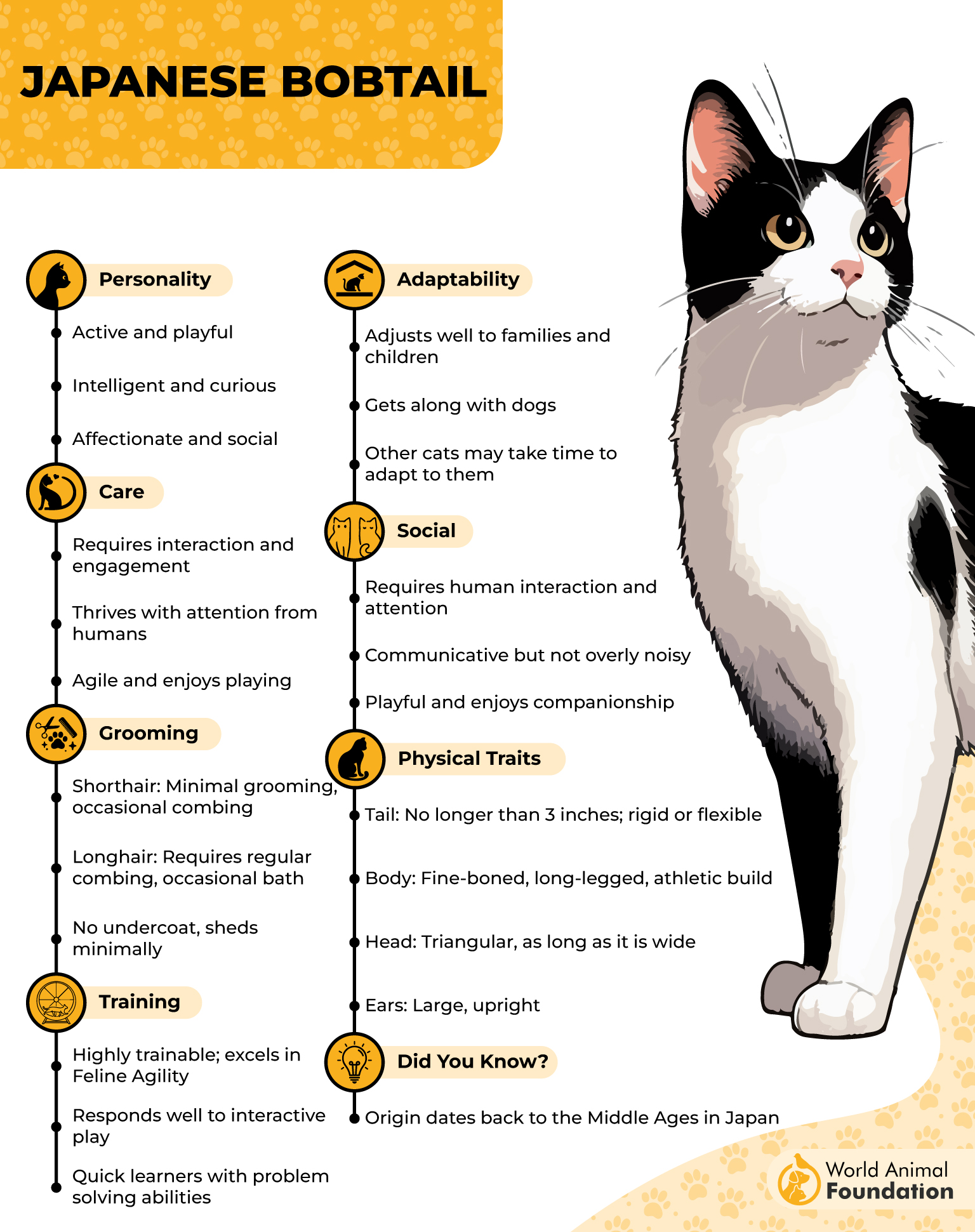
When you begin introductions, watch for body language cues—ears back, swishing tail, or crouching stance may signal discomfort. Give each pet an escape route to manage stress. Providing separate feeding areas also reduces tension, especially if one animal guards food.
Japanese Bobtails adore human interaction, so they’ll likely observe how you behave around the dog. Setting a positive, calm tone encourages them to see your canine as part of the family. Using treats to reward peaceful moments can make them more receptive to the new companion.
With proper guidance, Japanese Bobtails and dogs can blossom into playful partners, napping near each other or scurrying after toys in tandem.
7. American Shorthair
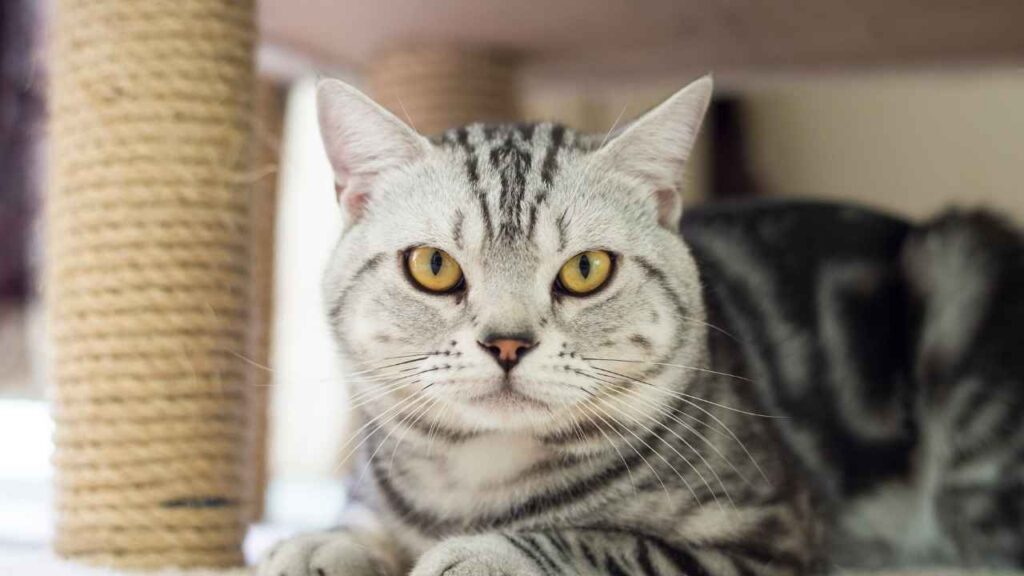
American Shorthairs have a long history as reliable working cats, praised for adaptability and a moderate, friendly nature. They’re not excessively clingy, but they do enjoy company, making them suitable for homes with a canine companion.
Due to their relaxed temperament, they often handle normal dog behaviors—like barking or enthusiastic tail-wagging—without too much fuss.
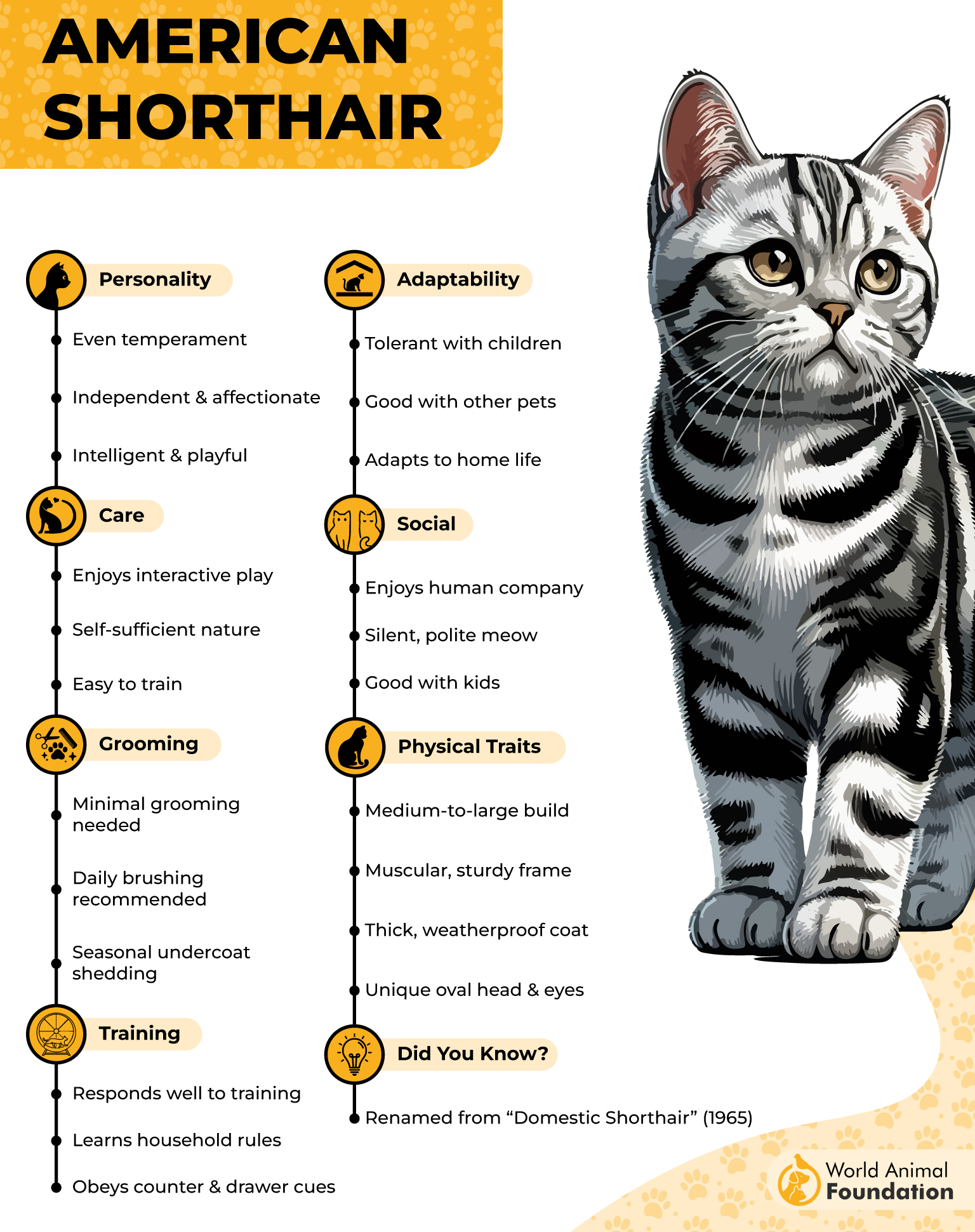
Upon meeting new pets, American Shorthairs tend to observe carefully at first. If your dog invites play politely, this cat may cautiously engage once it feels secure. Over time, many American Shorthairs develop mutual trust with their canine friends, curling up in the same room or even initiating gentle interactions.
Enriching the environment with puzzle feeders or small chase toys allows them to stay mentally and physically stimulated. This structured play can ease potential territorial concerns and provide a constructive outlet for both pets. Keep early meetups short, using treats and praise to reinforce calm cooperation.
Although typically laid-back, American Shorthairs do appreciate personal space. According to WebMD, placing a comfortable bed or cat tree in a quiet area ensures they can retreat if needed. Meanwhile, dogs can have their own rest spot elsewhere. Balanced boundaries are key to maintaining harmony in a multi-pet setting.
Conclusion
Choosing cat breeds that love dogs can spark a wonderful companionship in your home, ensuring a smoother transition for both cats and canines. Breeds like the Ragdoll, Maine Coon, and Abyssinian are among the most popular cat breeds for multi-pet households, yet they aren’t the only options. If you’re a dog person looking for highly trainable, dog friendly cats, you could also explore other breeds such as the Siberian cat, Turkish Vans, or the Norwegian Forest Cat—sometimes known as the “swimming cat” because of its fondness for water. Even the Siamese cat has a reputation for a dog-like personality, often eager to learn commands and cuddle with its owner.
These social domestic cats thrive on human company, forming strong bonds with children and other pets. Many of them are puppy cats at heart, showing high intelligence and the ability to play fetch or walk on a leash. From kitten stages onward, they tend to blend seamlessly with a canine family member when introduced with positive reinforcement.
Whether it’s Maine Coons impressing you with their large size or a Japanese Bobtail greeting strangers at the door, these affectionate felines bring joy to everyday life. Ultimately, the best dog friendly cats are those that suit your household’s energy, offering a truly rewarding experience for dog people and cat lovers across the world.