WorldAnimalFoundation.org is reader-supported. When you buy through links on our site, we may earn an affiliate commission. Learn More
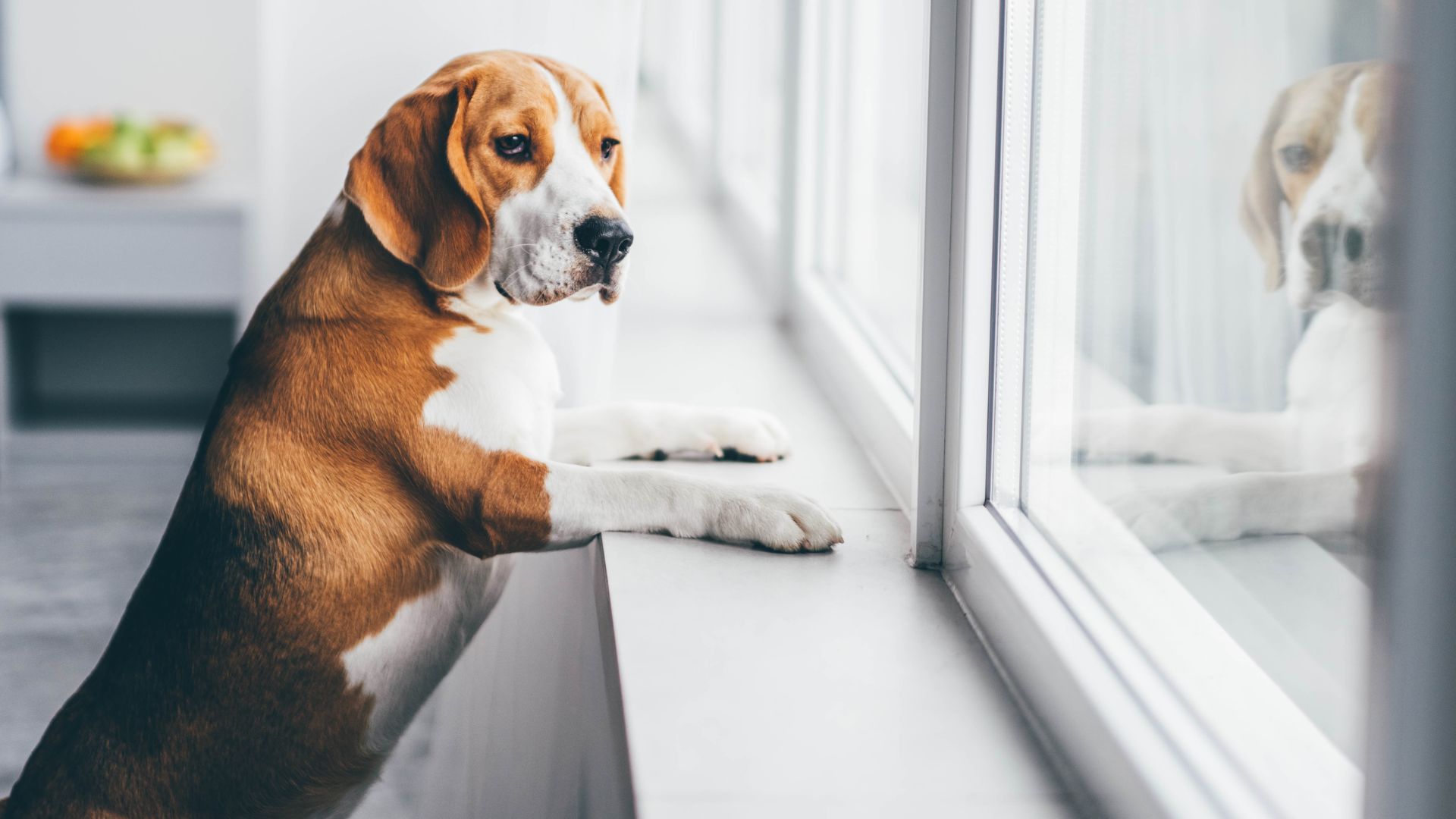
Dogs are social animals that thrive on spending time with their owners and other pets. While many dog breeds can handle moderate periods of alone time, some are extremely anxious when left home for too long.
These affectionate dogs, often referred to as “velcro dogs,” form deep bonds with their families and may suffer from separation anxiety if left alone for extended periods. For dog owners considering adopting a pup, understanding which breeds are more likely to struggle with alone time is crucial.
Let’s explore the top dog breeds that can’t tolerate being left alone and how to ensure they have positive experiences when apart.
Dog Breeds That Can’t Tolerate Being Left Alone
1. French Bulldog
The French Bulldog is a perfect fit for families or individuals who can provide constant companionship. These affectionate dogs are known for their playful temperament and strong bonds with their owners. When left alone for long periods, they can become anxious or upset, leading to destructive behavior like chewing or excessive barking.
Providing mental stimulation, such as a few toys or interactive play sessions, can help alleviate their anxiety. Regular trips to the dog park and proper training can also help French Bulldogs feel more at ease. According to the American Kennel Club, these dogs require consistent companionship and love.
2. Maltese
The Maltese is a small breed that thrives on companionship. These pups suffer from separation anxiety if left alone for too long, often becoming overly dependent on their owners. Their intelligent and affectionate nature makes them wonderful pets, but they require plenty of attention and socialization.
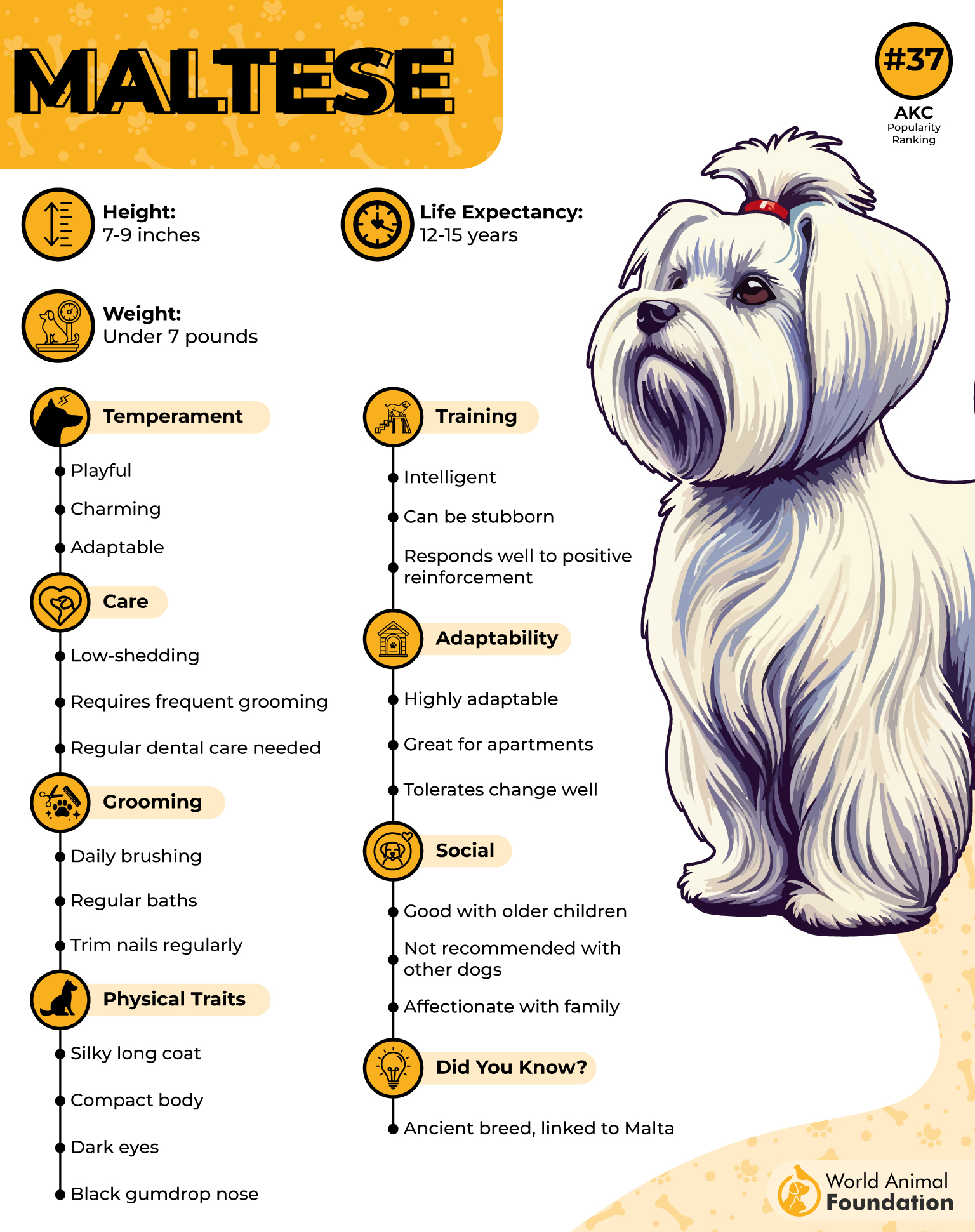
Dog owners should consider crate training or leaving a canine companion to keep their Maltese entertained during brief absences. Regular grooming and exercise are also important to keep these pups happy and healthy.
3. Chihuahua
Despite their small size, Chihuahuas have big personalities and a strong need for company. These dogs are prone to anxiety when left alone for extended periods, often resorting to excessive barking or destructive chewing.
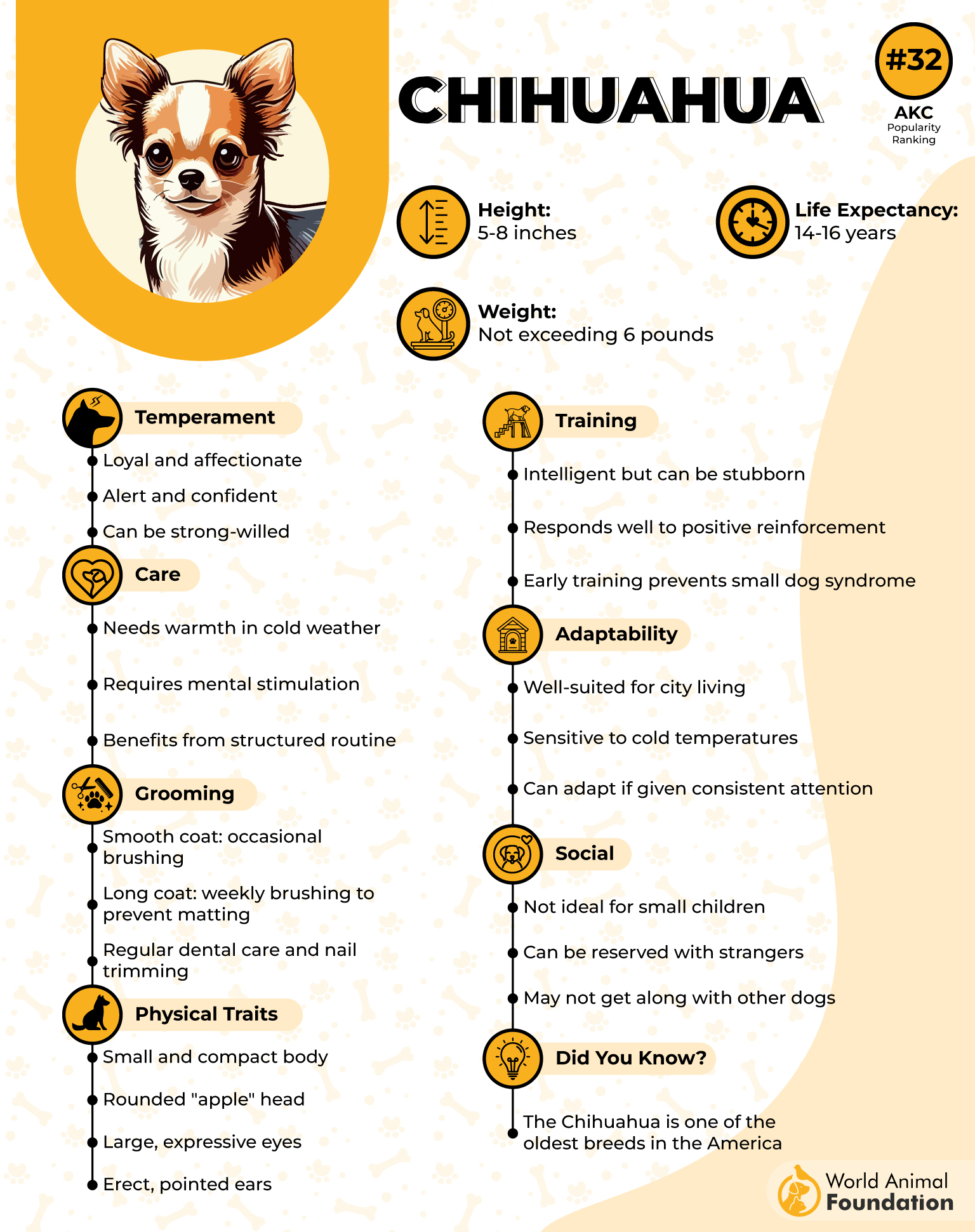
Chihuahuas bond closely with their owners, making them better suited for households where someone is usually home. Ensuring they have proper training and a few toys can help keep them calm during short absences. Providing them with small, enclosed spaces where they feel secure can also reduce stress.
4. Shiba Inu
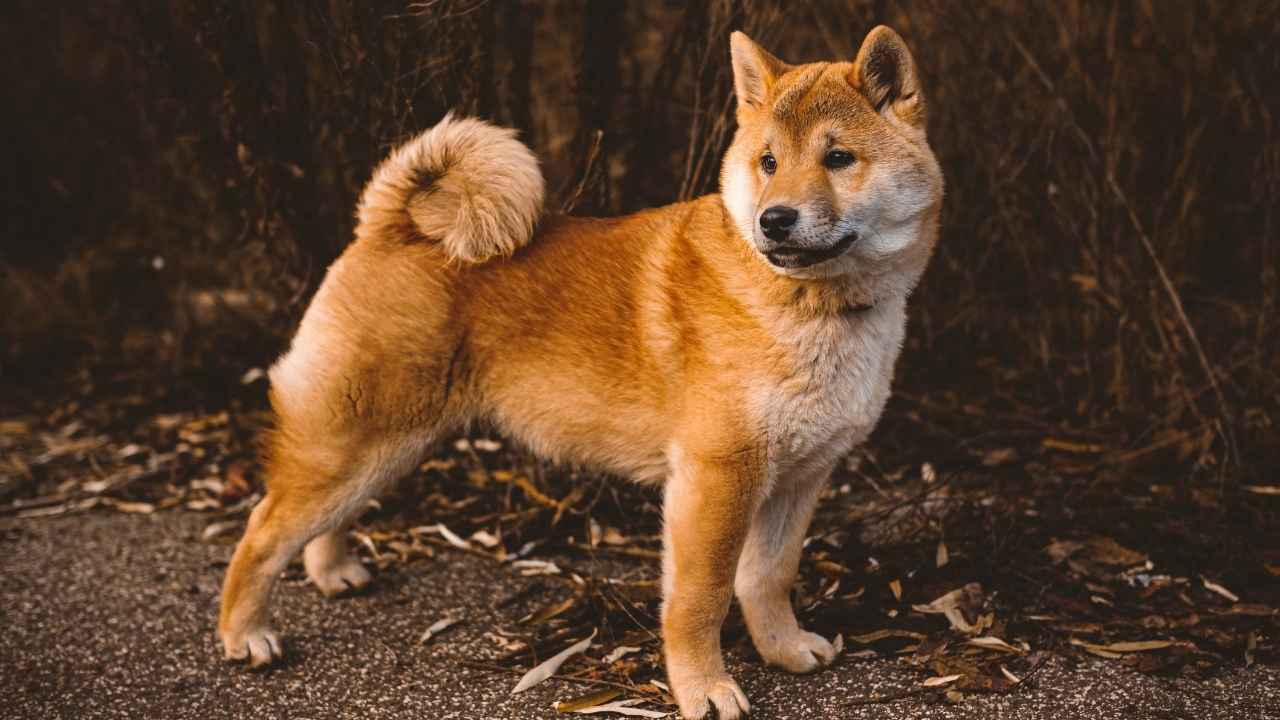
The Shiba Inu, with its iconic curly tail, is an intelligent but independent breed. While they are not as prone to severe separation anxiety as some other dogs, they can become bored or anxious if left alone for several hours without mental stimulation. Shiba Inus requires a balance of alone time and active engagement to remain calm and happy.
Regular exercise and a well-stocked room with interactive toys are key to ensuring they don’t become destructive or bark excessively. These dogs may have low separation anxiety compared to others, but they still thrive with companionship. Encouraging positive experiences, such as rewarding calm behavior, helps build their confidence.
5. Australian Shepherd
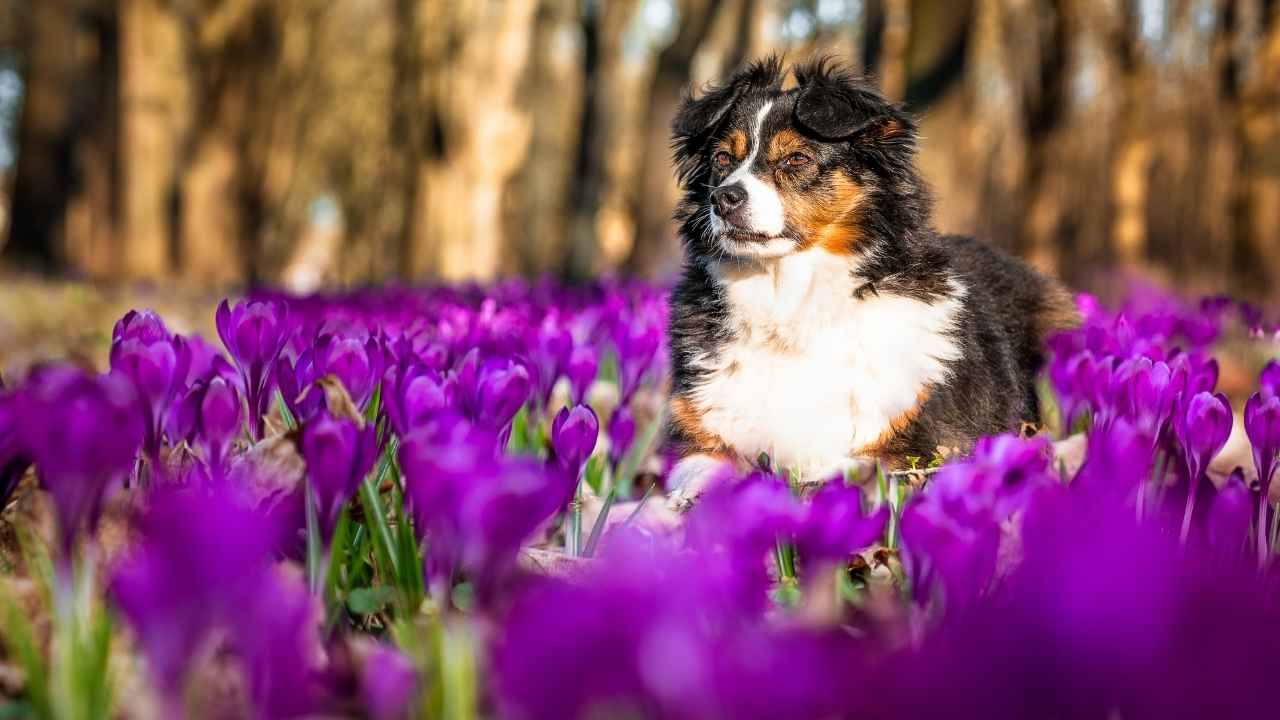
As an active breed, Australian Shepherds are intelligent and require significant mental and physical stimulation. Left alone for long periods, they may develop destructive habits or exhibit excessive barking. Proper training, exercise, and opportunities to play can help keep this breed happy.
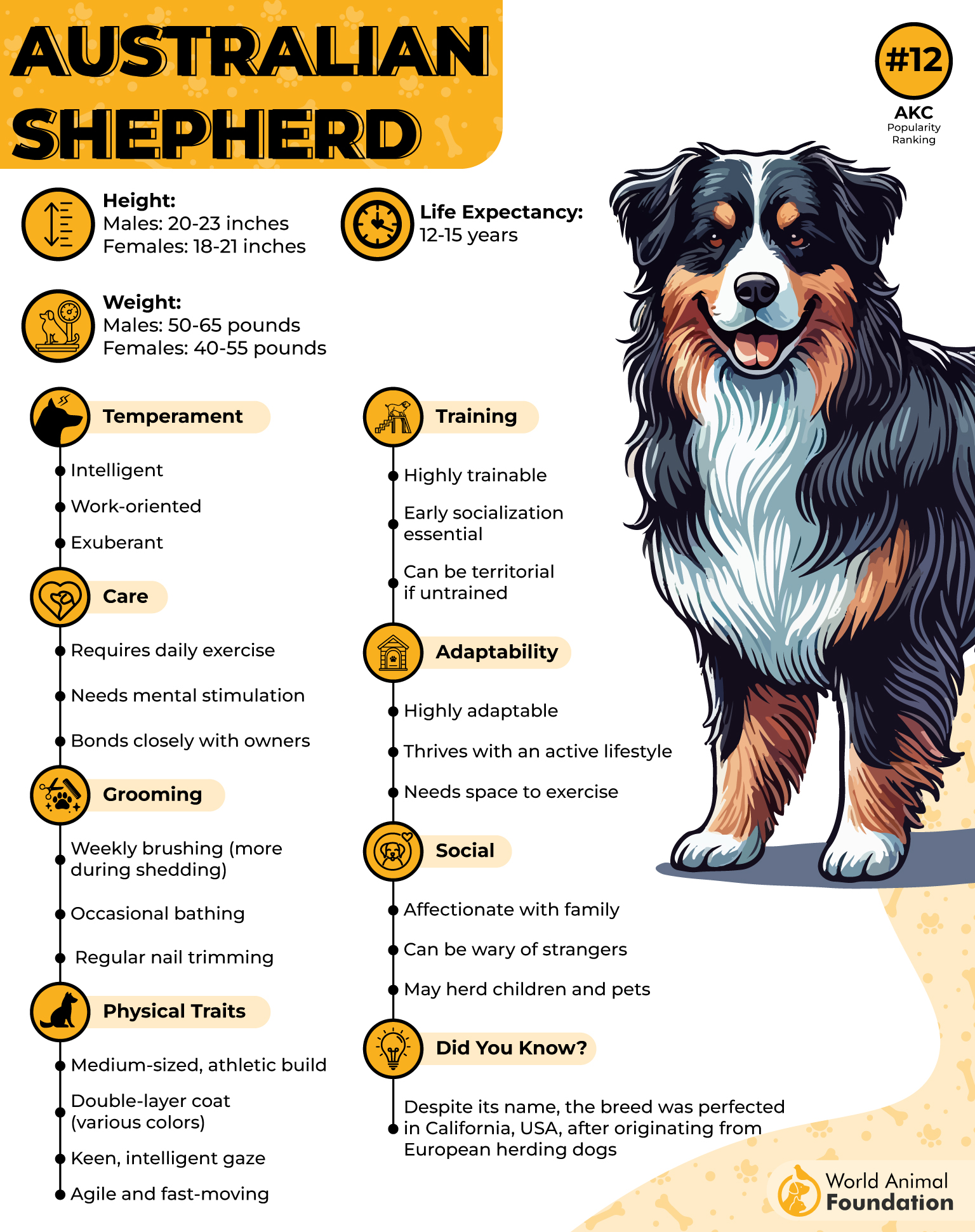
Dog owners should also consider hiring a dog walker or using a doggie door to ensure their Australian Shepherd gets a bathroom break and stays engaged throughout the day. Interactive puzzle toys and agility exercises are excellent ways to keep their minds sharp.
6. Chow Chow
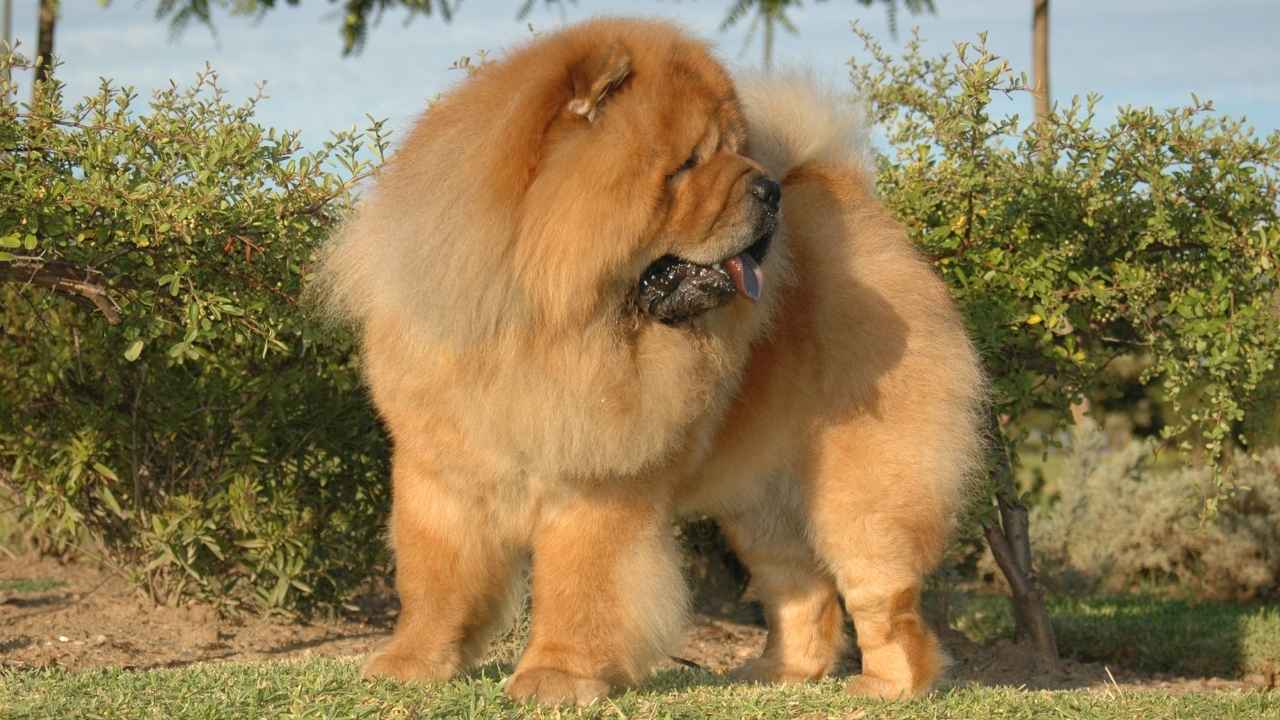
Chow Chows are known for their calm demeanor, but they can become bored or anxious if left alone for extended periods. These pups are less social than other dogs and may seem independent, but they still need companionship to prevent destructive behavior. Providing a safe space, like a crate, and a few toys can help them tolerate alone time.
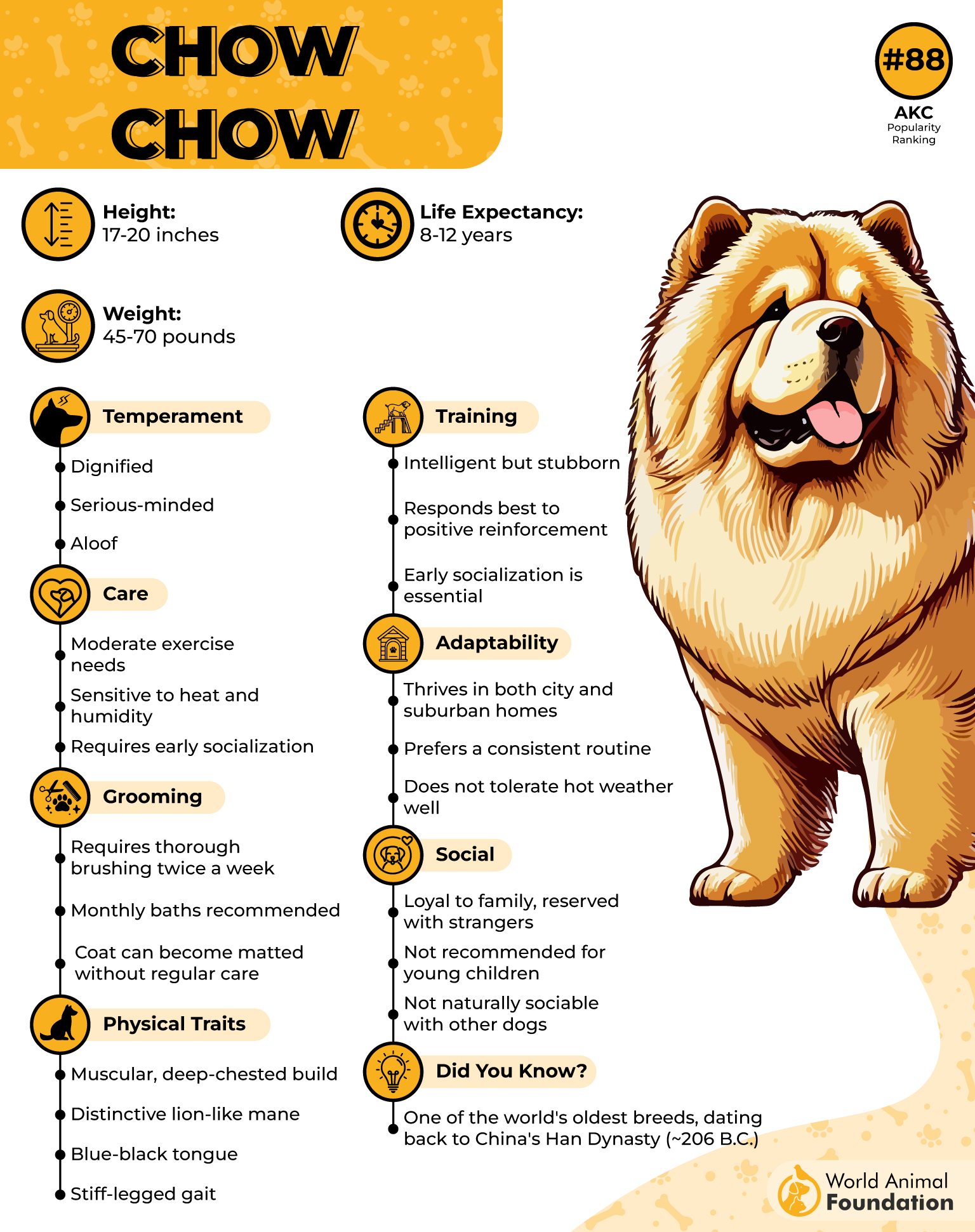
Chow Chows are a better fit for families who can spend moderate periods with them and offer proper training and socialization. Chow Chows may not bond as easily with other dogs, but their unique temperament makes them endearing companions. Regular brushing and grooming also keep them comfortable and relaxed.
7. Basset Hound

Basset Hounds are affectionate and calm dogs that form strong bonds with their owners. However, they can become anxious and suffer from separation anxiety when left alone for too long. These pups benefit from spending time with their families and other pets, such as cats or even other dogs.
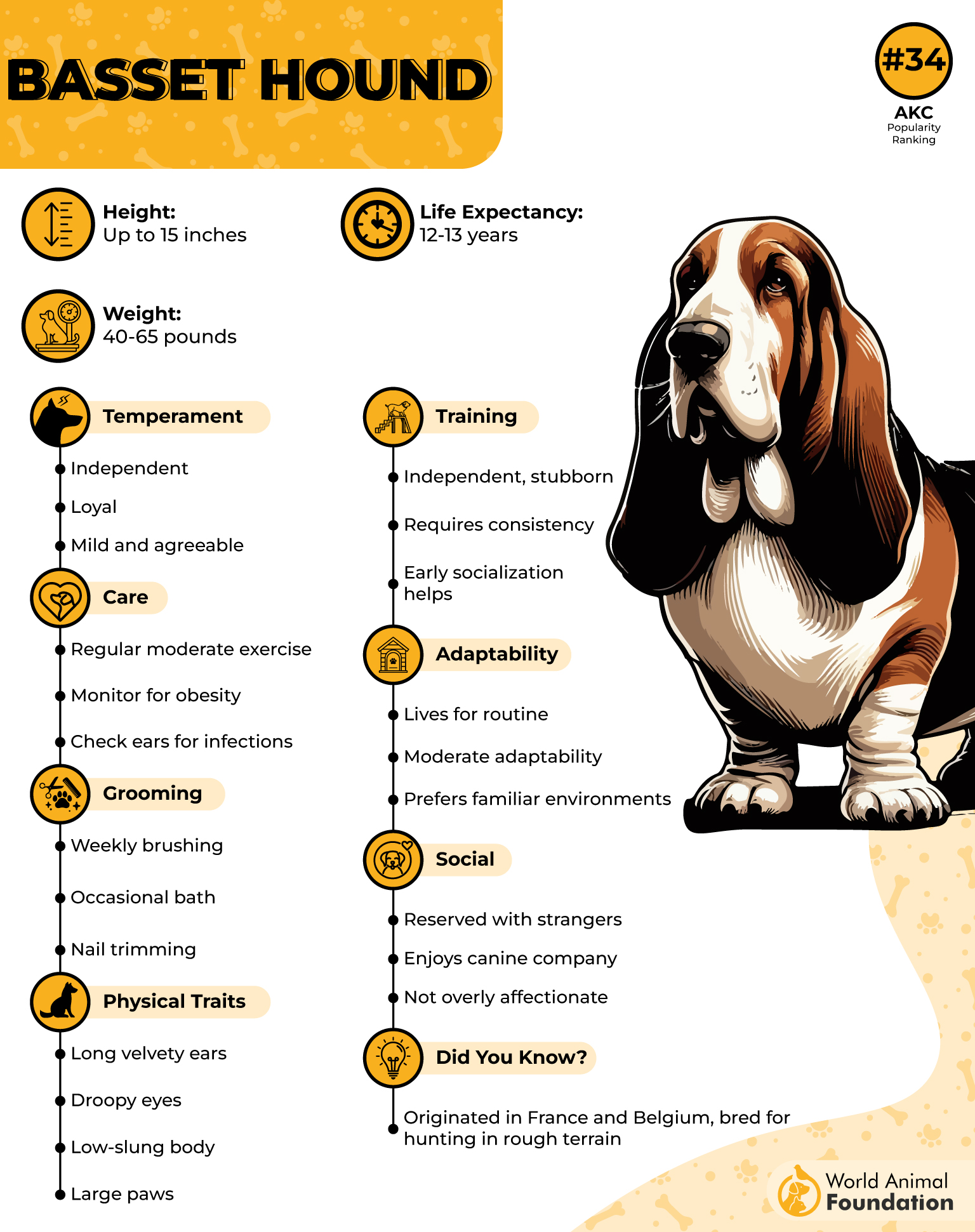
Providing opportunities for socialization and regular exercise can help prevent excessive barking or destructive chewing when they are left alone. Basset Hounds need proper training and plenty of love to feel secure. Ensuring they have access to a cozy bed or crate can make them feel safe when their owners are away.
Separation Anxiety and Its Impact
Separation anxiety is a common issue among certain dog breeds. It’s characterized by symptoms such as barking, whining, chewing, or trying to escape when left alone. Dogs that are overly dependent on their owners are more likely to suffer from this condition.
Early training, consistent routines, and gradual desensitization can help manage these symptoms. Understanding the specific triggers for your dog can make a significant difference in their ability to tolerate alone time.
Importance of Proper Training
Proper training is essential for dogs that struggle with being left alone. Crate training, for example, can provide a safe and secure space for your pet when you’re not home. Teaching commands like “sit” and “stay” can also help establish boundaries and create a structured environment. Training sessions should always be positive and reward-based to encourage good behavior and reduce anxiety.
Interactive Toys for Mental Stimulation
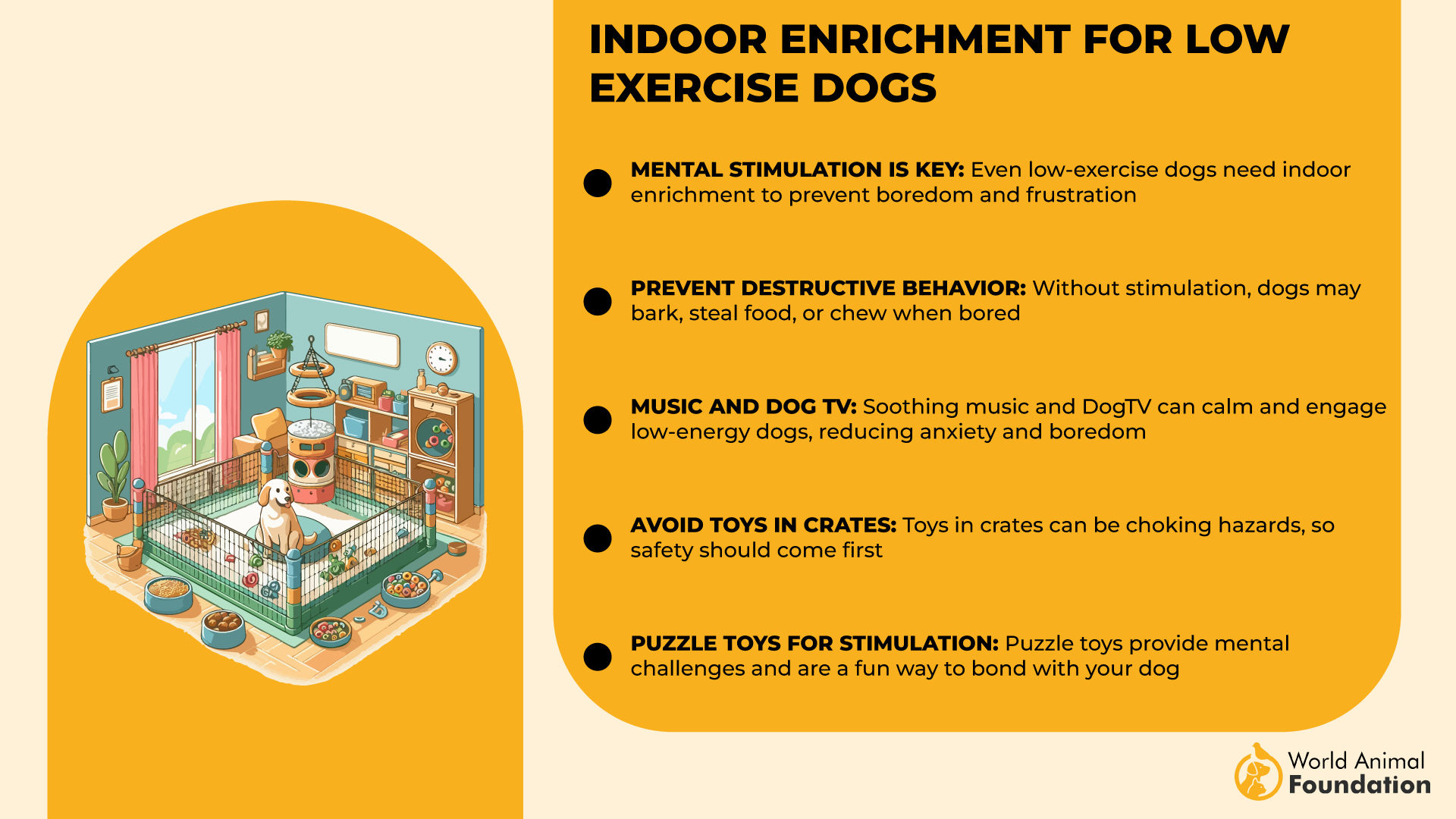
Interactive toys and puzzles are excellent tools for keeping your dog mentally stimulated during your absence. These toys can challenge your dog’s mind, prevent boredom, and reduce destructive behavior. Chew toys, treat-dispensing puzzles, and activity mats are great options for providing engagement when your dog is left alone.
The Role of Exercise
Exercise is a key factor in reducing anxiety and destructive behavior in dogs. Taking your dog for a long walk or engaging in playtime before leaving the house can help tire them out and promote calmness. Dogs with high energy levels, such as Australian Shepherds, benefit greatly from regular physical activity.
Hiring a Pet Sitter or Dog Walker
For dogs that struggle with long absences, hiring a pet sitter or dog walker can be a lifesaver. A midday visit can break up their day, provide them with a bathroom break, and offer much-needed companionship. This is particularly helpful for breeds prone to separation anxiety.
Socialization with Other Pets
Socialization can help dogs feel less lonely when left alone. If you have other pets in the house, such as cats or another dog, they can provide comfort and companionship. Early socialization is important to ensure all pets get along well and create a harmonious environment.
Tips for Gradual Desensitization
Gradual desensitization is a process that helps dogs get used to being alone. Start with short absences and slowly increase the duration over time. Leave your dog with a comforting item, such as your scent on a blanket, to ease their anxiety. Consistency and patience are key to making this strategy effective.
Conclusion
Owning a dog requires understanding their temperament and emotional needs. Many dog breeds, such as the French Bulldog and Maltese, struggle when left alone for extended periods, making them more prone to anxiety and destructive behaviors.
By creating a supportive environment filled with mental stimulation, proper training, and positive experiences, dog owners can help their pets tolerate moderate alone time. Whether it’s through providing toys, a canine companion, or regular visits to the dog park, ensuring your pup feels loved and secure is key to a happy and healthy life. To ensure your dog thrives, consider their unique needs. Offering a balance of exercise, companionship, and training will make your pet’s alone time more manageable. Remember, even cats and other pets in the house can help alleviate loneliness. Ultimately, creating a supportive environment ensures your dog remains calm, happy, and content during moderate or extended absences.