
WorldAnimalFoundation.org is reader-supported. When you buy through links on our site, we may earn an affiliate commission. Learn More
Ever been told to steer clear of certain dogs because they’re “dangerous”? Think again. The labels slapped on some breeds are more about fear and ignorance than reality. These dogs deserve better than being judged at first glance.
The truth is, that society has a habit of demonizing specific dog breeds, fueled by media exaggeration and a lack of understanding about breed temperament. The result? Incredible dogs getting a bad rap they don’t deserve.
This article dives into 9 of the most misunderstood breeds, exposing the myths and celebrating their true nature as loving, loyal, and protective companions.
It’s time to set the record straight. Challenge the stereotypes, start a conversation, and share your experiences with these amazing dogs. Let’s shift the narrative—one misunderstood breed at a time.
9 Most Misunderstood Dog Breeds
1. Boxer
|
Myth |
Reality |
|---|---|
|
Boxers are overly aggressive. |
Boxers are energetic, friendly, and excellent family dogs when properly trained. |
Let’s talk about Boxers—those muscular goofballs with boundless energy. At first glance, their imposing frame and playful antics can seem intimidating. Some people wrongly label them as “aggressive dogs,” but the truth is they’re incredibly loyal and affectionate pets who adore their humans.
AKC believes that training is key with this breed. They’re highly intelligent and thrive with consistent efforts. Socialize them young to curb unwanted barking or excessive jumping. Their playful personality tends to shine when paired with mental stimulation, like puzzle toys or agility courses.
Physically, Boxers are big dogs with boundless energy, so daily exercise is non-negotiable. A hearty, protein-rich diet keeps them strong and happy. Despite their tough appearance, Boxers are sweet and gentle with kids—a perfect mix of protector and cuddler.
Boxers are wonderful family members who sometimes get a bad rap. With the right training and attention, they’ll prove to be the most playful, loving addition to any home.
2. Doberman Pinscher

|
Myth |
Reality |
|---|---|
|
Dobermans are vicious attack dogs. |
Dobermans are affectionate, loyal, and easily trained with the right approach. |
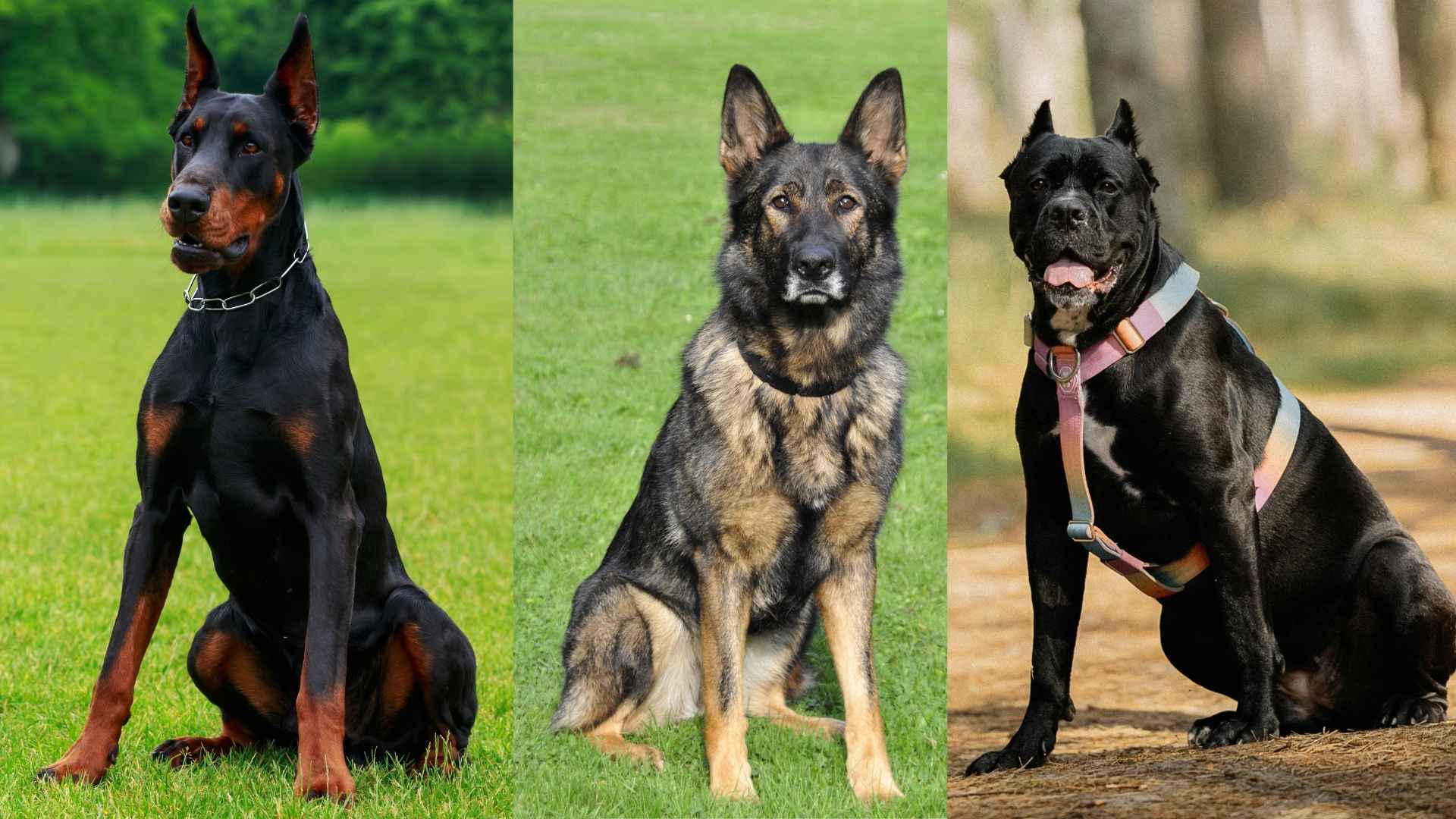
At first glance, Dobermans seem like tough guard dogs, thanks to their sleek build and alert expressions. But here’s the truth: these misunderstood dogs are affectionate and sensitive, and thrive on forming strong bonds with their families.
Socialization and the right training are essential to prevent behavioral issues. They’re highly intelligent and respond well to positive reinforcement. Give them jobs to do—whether it’s agility training or simple obedience games—to keep their sharp minds engaged.
Physically, Dobermans are athletic and need regular exercise. Their diets should include high-quality proteins to fuel their active lifestyle. Despite their reputation, they’re gentle, often forming loving bonds with children and other dogs.
Dobermans often fall victim to breed-specific legislation, but their sweet nature proves they’re far from “dangerous.” They’re protective, yes, but in the best way—like the ultimate loyal friend.
3. German Shepherd

|
Myth |
Reality |
|---|---|
|
German Shepherds are overly aggressive. |
German Shepherds are gentle, loyal, and fantastic family companions. |
German Shepherds are the ultimate loyal companions, often mistaken for being overly aggressive. Their reputation as police or military dogs adds to this myth, but most dogs of this breed are gentle and loving pets.
Petplan claims that with early socialization and efforts to expose them to various situations, German Shepherds become confident and well-rounded. They need both mental and physical stimulation, like herding games or long walks. Without this, boredom can lead to behavioral issues.
This breed’s muscular build and strong personality mean they’re best suited to experienced owners. They’re also highly intelligent, so training is a breeze with the right approach. A balanced diet and consistent exercise keep them in top form.
German Shepherds are one of the most misunderstood breeds in the world, but their protective yet gentle nature makes them wonderful family members.
4. Presa Canario

|
Myth |
Reality |
|---|---|
|
Presa Canarios are violent and dangerous. |
Presa Canarios are confident, calm, and deeply loyal with the right training and socialization. |
Presa Canarios is a big dog with an even bigger reputation for being “dangerous.” Their size and power intimidate most people, but the truth is they’re incredibly loyal and calm pets when properly trained.
Early and consistent training is vital to ensure their confident personality doesn’t turn into stubbornness. Socialize them with other dogs and humans to prevent behavioral issues. They also need mental stimulation—puzzle feeders or obedience drills are perfect for these highly intelligent pups.
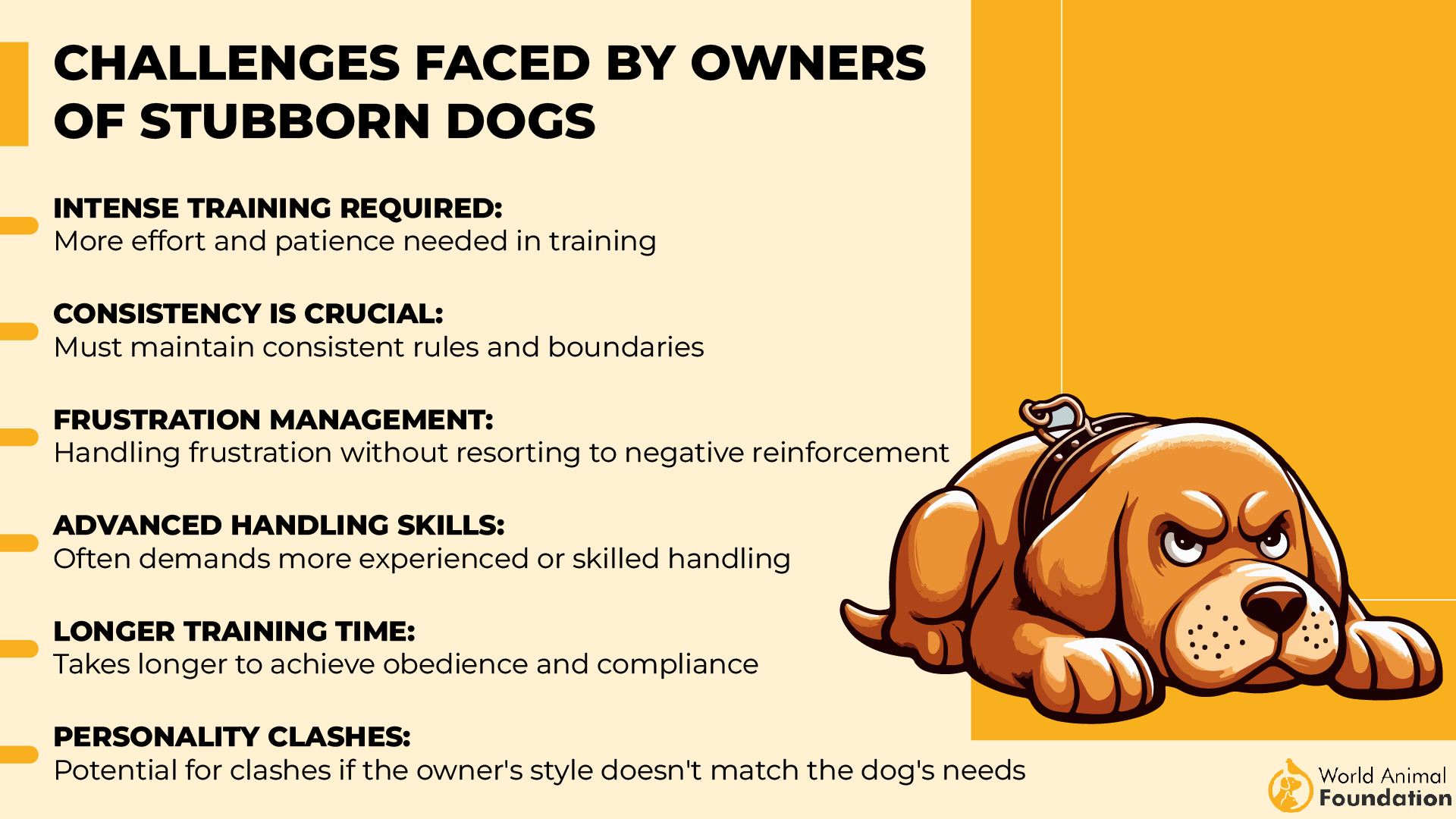
Their history as livestock guardians gives them a natural protective instinct, but they’re gentle with their family. A protein-rich diet and regular exercise are essential to support their powerful build.
Often a victim of breed-specific legislation, the Presa Canario is proof that misunderstood breeds can make for loyal and loving companions when raised with care.
5. Rottweiler

|
Myth |
Reality |
|---|---|
|
Rottweilers are mean and aggressive. |
Rottweilers are affectionate, playful, and fiercely loyal to their families. |
Rottweilers are often labeled as “mean,” but anyone who’s met one knows they’re just big teddy bears. Yes, they’re protective, but that doesn’t make them aggressive dogs. They’re sweet, playful, and thrive in a loving environment.
Start training and socializing them as puppies to avoid behavioral issues later. They’re easily trained and love challenges like obedience or tracking games. Keep their minds and bodies active to prevent boredom (and the chewing that comes with it).
Rottweilers are strong, muscular dogs with high energy levels. A well-balanced diet and daily exercise are musts. Despite their tough appearance, they’re incredibly gentle with children and make amazing family members.
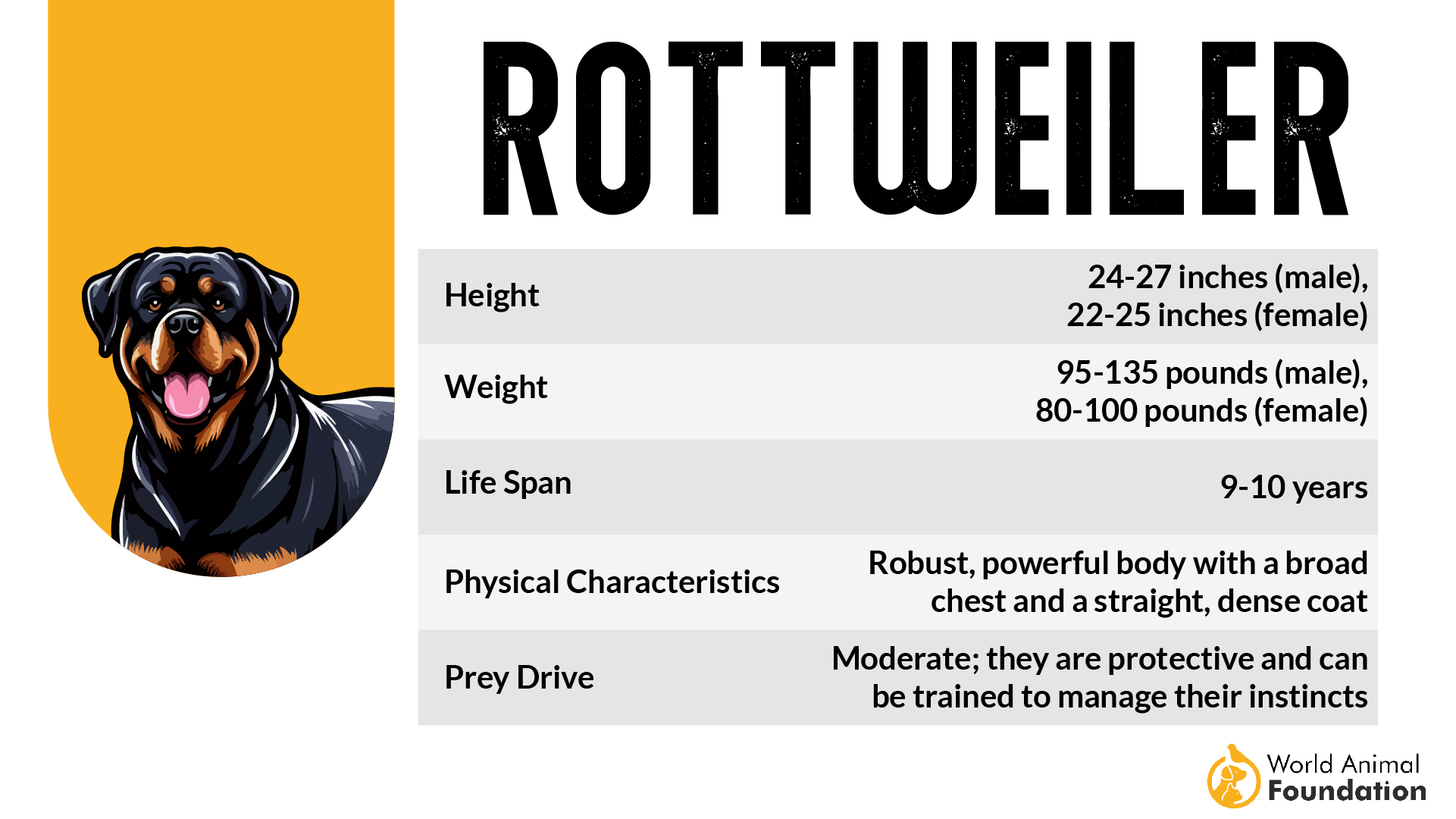
These misunderstood dogs often get a bad rap, but the truth is that Rottweilers are as loyal and loving as they come—with a heart as big as their powerful frame.
6. English Mastiff

|
Myth |
Reality |
|---|---|
|
English Mastiffs are too large to be safe. |
English Mastiffs are gentle giants with calm personalities, making them excellent family pets. |
English Mastiffs are big dogs with even bigger hearts. At first glance, their size might seem overwhelming, but the truth is they’re gentle, calm, and devoted to their families. Despite their massive frame, they’re surprisingly lazy—happy dogs that love to lounge.
Training and socializing them as babies is essential to manage their size and prevent any behavioral issues. These dogs are incredibly loyal and thrive on human companionship, making them perfect family members. A good balance of playtime and light walks keeps them content.
Hillspet adds that diet-wise, Mastiffs can eat a lot, so nutrient-dense, high-quality dog food is important to maintain their health. Their floppy ears and soft eyes only add to their cute factor, proving that their size doesn’t define their temperament.
While they’re often misunderstood, Mastiffs demonstrate that being a big dog doesn’t mean being dangerous. With the right care, they’ll be the most gentle giants you’ll ever meet.
7. Dalmatian

|
Myth |
Reality |
|---|---|
|
Dalmatians are high-strung and bite. |
Dalmatians are energetic, playful, and affectionate dogs that thrive with proper care. |
Dalmatians are more than just those spotted dogs from Disney—they’re athletic, happy dogs with loads of personality. Unfortunately, they’ve been unfairly labeled as hyperactive or prone to bite, but that’s far from the truth. Their boundless energy just needs the right outlet.
To avoid behavioral issues, make sure to keep your Dalmatian socialized from an early age. They thrive with consistent training and mental challenges, like agility courses or interactive toys. Their play drive is off the charts, making them fun companions for active families.
Despite their tough reputation, Dalmatians are incredibly sweet and loyal pets. They generally get along well with other dogs, but they’ll need a firm, consistent hand to curb any stubborn streaks.
If you’re ready for a dog that’s as energetic as a border collie, Dalmatians make for an unforgettable addition. They’re proof that sometimes, all misunderstood breeds need is the right training and love.
8. Chow Chow

|
Myth |
Reality |
|---|---|
|
Chow Chows are aggressive and aloof. |
Chow Chows are fiercely loyal and calm, but independent personalities need proper guidance. |
Chow Chows might look like fluffy lions, but their stoic demeanor often gets them completely misunderstood. People assume they’re unfriendly or even prone to aggression, but the truth is they’re fiercely loyal and protective companions.
Because of their independent nature, Chows require early training and careful socialization to prevent behavioral issues. They’re not clingy like chihuahuas, but they’ll form strong bonds with their families. Play sessions and mental stimulation help bring out their softer side.
PDSA recommends that their thick, fluffy coats need regular grooming—not just to keep them looking cute, but to ensure their health. Chows are great with families who appreciate their quiet, dignified personality and unique charm.
While they’re often seen as bully breeds, Chow Chows are calm, loving pets that thrive with patient, experienced owners. They’re proof that independence isn’t wrong—it’s just misunderstood.
9. American Pit Bull Terrier

|
Myth |
Reality |
|---|---|
|
Pit Bulls are inherently dangerous. |
Pit Bulls are loving, playful, and loyal dogs when raised in a positive environment. |
Pit Bulls get more bad rap than any other breed, often being mistaken as inherently aggressive. Breed temperament plays a big role in their personality, but the truth is these dogs are some of the sweetest, most loyal companions when raised in a caring environment.
Early socialization and the right training are essential to prevent behavioral issues. Pit Bulls are highly intelligent and love engaging games that challenge their minds. They’re playful by nature and thrive when they’re part of an active, loving family.
Physically, Pit Bulls are muscular and energetic. They need plenty of exercise and a diet that supports their athletic build. Despite being unfairly grouped with bully breeds, they’re generally great with children and make wonderful family members.
Pit Bulls, like the American Staffordshire Terrier, often fall victim to breed-specific legislation, but their cute smiles and wiggly tails prove how completely wrong those stereotypes are. These misunderstood dogs are ready to show the world they’re more than their reputation.
Conclusion
Stereotypes have painted an unfair picture of these incredible dog breeds. The point is simple: these dogs are misunderstood not because of who they are, but because of fear, misinformation, and media-fueled myths. From the playful Boxer to the stoic Chow Chow, each breed has its unique qualities that make them remarkable companions when given the chance to thrive.
The truth is that any dog, regardless of breed, can become a loyal and loving family member with the right training, care, and socialization. Thankfully, dogs are highly adaptable, and even breeds with a “bad rap” can blossom into affectionate, well-behaved pets when their needs are met. All they ask for is love, guidance, and a chance to prove the stereotypes wrong.
Now it’s your turn to take action. Challenge the stigma surrounding these breeds by sharing this post and starting conversations about responsible ownership and breed-specific legislation. Let’s educate others about the importance of understanding dog behavioral issues rather than jumping to conclusions based on appearances or hearsay.
At the end of the day, these misunderstood dogs want the same stuff every dog craves: a safe home, loving humans, and a chance to be their best selves. Help change the narrative. Advocate for these incredible breeds and show the world that they’re not just “pets”—they’re family.