

WorldAnimalFoundation.org is reader-supported. When you buy through links on our site, we may earn an affiliate commission. Learn More
Choosing the right puppy for your family is a big decision. It’s not just about the fun and joy dogs bring; they also need a lot of care, attention, and responsibility. Before adopting any dog, it’s essential to research and understand the breed’s characteristics and needs.
Are you considering a Corgi? These small, smart, and adorable dogs are a favorite among many families. But are they the right fit for yours?
This guide explores whether Corgis make great family pets and what you need to know about caring for them. Read on to discover everything about Corgis and see if this beloved breed is the perfect addition to your household.
Are Corgis Good Family Dogs
Corgis have gained popularity for their small size and sharp intelligence. Generally, they make a fantastic addition to any family. These dogs thrive on attention and are known for their deep affection.
One of the best things about Corgis is their eagerness to please their owners, leading to a loyal and well-mannered demeanor when in the right setting. They are sensitive and highly intelligent dogs, requiring plenty of mental engagement and empathy from their owners.
Overall, Corgis are regarded as great family pets due to their smart nature and generally non-aggressive behavior. They usually integrate well into various home settings, including those with other pets and older children.
However, there are a few considerations to bear in mind before bringing a Corgi into your family, which we will discuss in our guide.
Physical Characteristics Pembroke Welsh Corgi

There are indeed two distinct types of Corgis, both originating from Wales: the Pembroke Welsh Corgi and the Cardigan Welsh Corgi. While Queen Elizabeth II’s fondness for the Pembroke Welsh Corgi has significantly popularized this breed, the Cardigan Welsh Corgi is another sturdy, herding dog breed from the same region.
Despite their clear differences, these two affectionate and intelligent dogs are often mistaken for one another. In this overview, we’ll focus on the key characteristics of the Pembroke Welsh Corgi.
Size
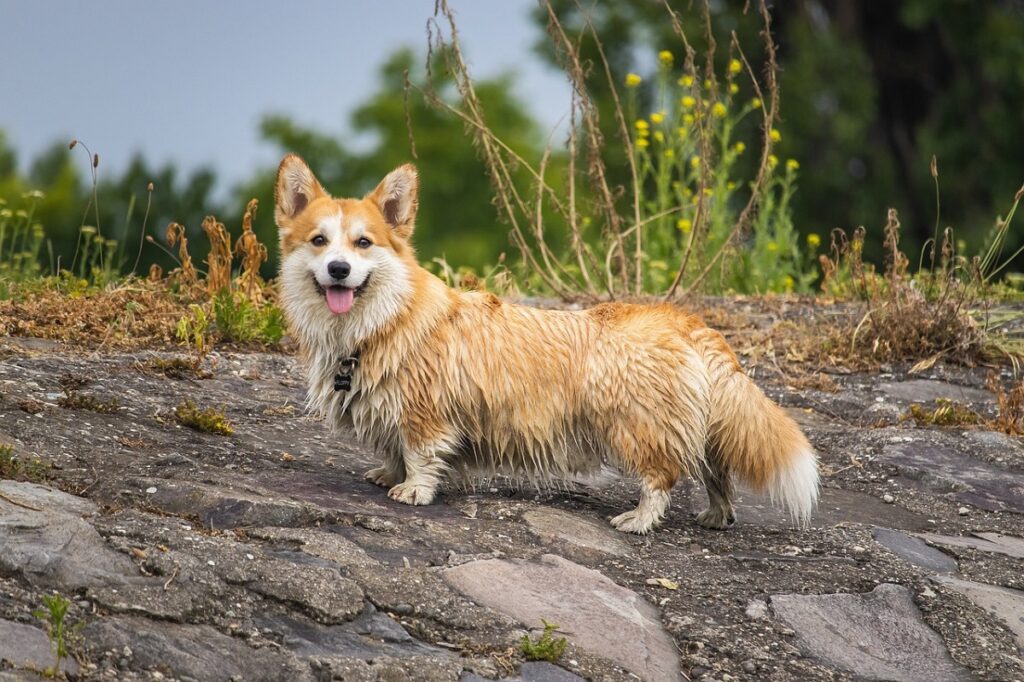
- Height: 10 – 12 inches
- Weight: 28 – 30 pounds
The Pembroke Welsh Corgi is a robust, energetic, and agile little herding breed. A well-structured male Pembroke is like a big dog in a small package. With short yet powerful legs, strong thighs, and a deep chest, they are well-equipped for strenuous activities. Their long and low build contributes to their surprising speed and agility.

Despite their modest size, they are quite muscular and strong. The robust Cardigan Corgi is generally a bit heavier than the widely recognized Pembroke Welsh Corgi, known for its slimmer and often orange-hued body.
Coat

Corgis have a short, double coat that sheds a lot. Regular brushing, about once a week, is needed to keep their coat and skin healthy. They come in colors like black and tan, fawn, red, or sable, often with white markings.
Daily brushing helps manage shedding, and more frequent baths during shedding season can reduce it further. While Corgis don’t need daily baths, their coat does require regular care.
Corgi Temperament

The Pembroke Welsh Corgi is a smart, responsive dog who loves playing with family and takes well to training. Bred originally to herd cattle, they are fearless and independent. Active families who spend time with their Pembroke will find a loyal and loving pet.
Corgis are devoted dogs, always eager to please and quite playful. They thrive on being part of a family and show great affection towards their owners. This bond makes them protective, much like a watchdog. Early socialization with people and other dogs is crucial.
Well-socialized Corgis are friendly towards strangers, usually alerting their family to new people rather than being aggressive. They are generally looking to make friends and seek their family’s approval in doing so.
Activity Level

Corgis don’t require as much exercise as some other breeds. Regular, moderate exercise is enough. They enjoy being active. Although they have small bodies, they are quick and love to chase things and run around, especially in the yard.
More important than physical exercise for Corgis is mental stimulation. They can easily get bored, which may lead to destructive behavior. To keep them engaged and happy, provide them with interactive toys, especially when they’re alone.
Barking
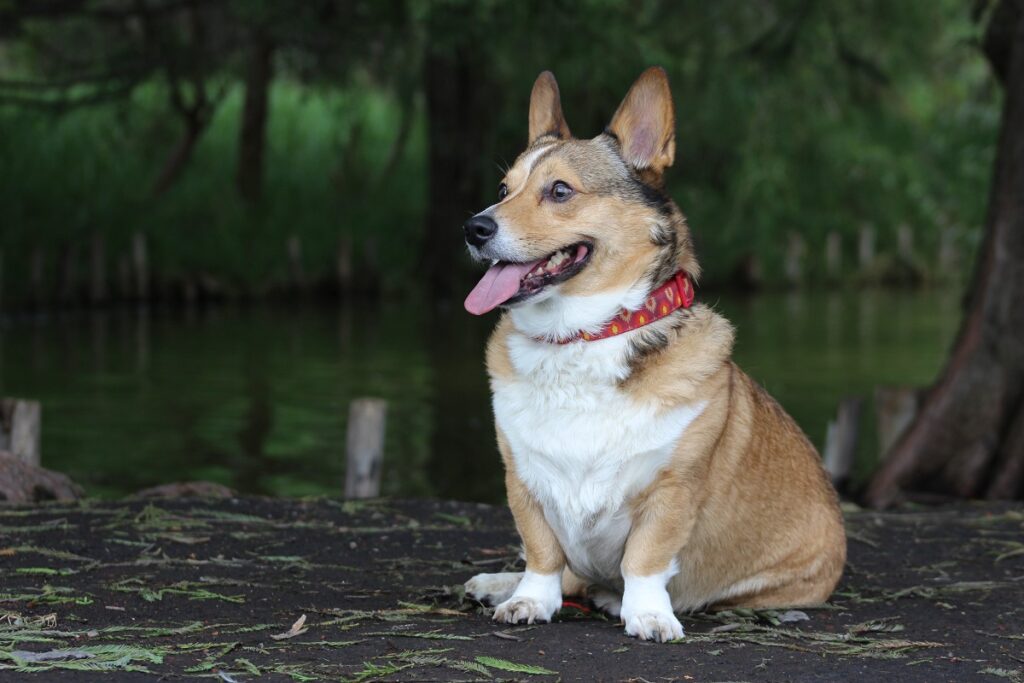
If you prefer a quiet dog, a corgi might not be the ideal choice. These spirited little dogs can be quite vocal, a trait that contributes to their effectiveness as watchdogs. They’re quick to alert you if someone enters your home unexpectedly, making them reliable for keeping an eye on things.
However, their loud barking can be a downside, particularly if you have a baby or toddler. A corgi’s bark might disrupt your child’s sleep schedule and, consequently, your own routine.
This barking behavior also extends to times when they feel anxious. It’s possible to train a corgi from a young age to better handle being alone and dealing with anxiety, which can mitigate excessive barking.
Adaptable
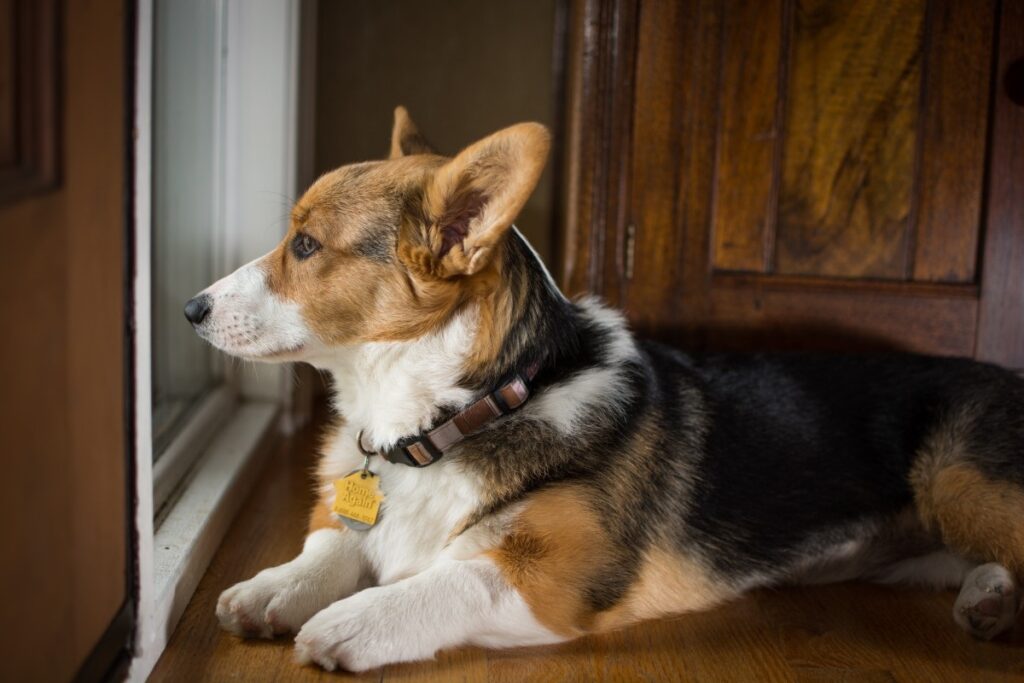
Corgis are known for their adaptability and generally handle changes in their environment quite well. Unlike some breeds that may struggle with new situations, Corgis are more flexible.
Although they might initially show some hesitation or uncertainty when faced with new circumstances, they tend to quickly overcome these initial feelings and become comfortable and open to their new surroundings.
Training

For all dog breeds, including Corgis, it’s crucial to start socialization and puppy training classes early. Gently introducing your puppy to a variety of people, places, and experiences from the age of 7 weeks to 4 months is essential for helping them grow into well-adjusted adults.
Pembrokes, in particular, have their own unique personalities. They are energetic, willing, and highly intelligent, which makes them good partners in training. They respond best to positive, reward-based training methods, as this breed is quite sensitive.
Training your Corgi should start early, and it’s important to be patient as they can be quite stubborn. Consistency and positive reinforcement are key in training.
Corgi’s Behavior With Kids and Other Pets

When choosing a family dog, gentleness is key, especially with young children around. Corgis are generally not aggressive, but their herding instincts can come into play. Originally bred as herding dogs, Corgis might try to herd young children by nipping at their heels, which is their natural way of moving animals around.
Because of this, it’s usually not recommended to have a Corgi in a home with children under five. Their herding behavior, while not aggressive, could unintentionally scare or harm a small child.
For families with children over five, Corgis can be a wonderful choice. They are loyal and playful and enjoy the interaction, making them great companions for both kids and adults. However, it’s still important to supervise interactions with younger children to ensure safe play.
Regarding other pets, Corgis generally get along well with them. Despite their herding background, which can make them a bit territorial with unfamiliar dogs and cats, they often enjoy the company of other animals.
For households with livestock, Corgis are particularly well-suited due to their herding nature, as they are unlikely to harm animals like sheep, horses, or cows.
Corgis Shouldn’t Be Left Alone for Long Period of Time
Corgis are known for their social nature and do not fare well when left alone for extended periods. This is an important factor to consider before adopting one.
If your lifestyle doesn’t allow for spending a significant portion of the day with your pet, a Corgi might not be the ideal choice. They tend to experience loneliness and can become quite sad if left at home for too long.
Conclusion
Deciding whether a Corgi is a good fit for a family with kids isn’t straightforward. It hinges on several factors: the children’s ages and their familiarity with dogs, the individual dog personality, and the training and socialization you provide.
Corgis, known for their loyalty and energy, can form strong bonds with children. However, as herding dogs, they might nip at children’s ankles and can be protective, not to mention their loud bark may disturb young children.
To ensure harmonious coexistence, it’s vital that your Corgi is well-trained, using positive reinforcement methods, and has ample playtime, perhaps at a dog park or with other family pets. This helps in preventing a bored Corgi, which is crucial considering they are a smart breed.
Also, teach your children the right way to interact with your Corgi, whether it’s a purebred or a Corgi mix, to prevent any defensive behaviors. Adhering to these guidelines will help foster a happy, long-lasting relationship between your family and your Corgi.