
Best PCB Repair Techniques
Using the correct PCB repair techniques, it is possible to restore functionality and extend the lifespan of flexible circuit boards. This requires a methodical approach and attention to detail. In addition, a clean and organized workspace can minimize damage to the delicate components. Dust, static electricity, and other contaminants can compromise the integrity of flex PCBs and exacerbate existing issues.
The most common type of flex PCB damage includes ripped and cut traces, heat damaged and lifted pads, and damaged conductor runs. BEST PCB repair artisans have experience in repairing these problems through the process of adding in replacement Kapton material and supporting and gluing the damaged areas. Additionally, damaged conductors can be replaced by soldering copper foil jumpers to the corresponding pads.
Rigid-flex circuit board technology is used in a wide variety of electronic devices, including consumer electronics, automotive systems, and wearable technologies. These versatile circuits provide compact, lightweight connections for high-performance connectivity in tight spaces and complex designs. They are also widely used in medical and healthcare devices due to their durability, reliability, and cost-efficiency.
When working with a flexible printed circuit board, it is important to understand its design limitations and to handle it carefully. It is recommended that the flex area be identified and a minimum bend radius defined early in the design stage. This ensures that the flex PCB can be installed and operated safely and that it will not be damaged during the assembly process.
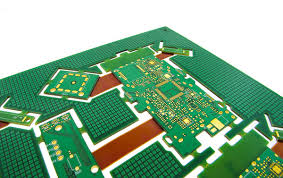
Best PCB Repair Techniques for Repairing Flexible Circuit Boards
It is also important to avoid bending the flex PCB over the through-holes or exposing the silkscreen, marking, and other solder mask areas. This can cause them to become weak spots and potentially lead to damage during the rework or repair process. It is also crucial to maintain a minimum distance between the vias and the stiffener edge, as this will increase their stability.
Finally, it is essential to use the correct materials and tools when repairing a flex PCB. These include a high-quality soldering iron with a fine tip, suitable solder wire and flux, a desoldering tool, precision tweezers, and cleaning solutions. In addition, a multimeter is useful for testing the circuit after it has been repaired. Using the right PCB repair techniques will ensure that the final product meets and exceeds industry standards. By following these tips, you can easily and accurately repair any faulty flexible PCB. This will extend the life of these versatile components and ensure that your electronic device is functioning properly.
flex circuit boards can come in different configurations, and their designs vary depending on the application requirements. The three primary types of flex circuits are: Single-Sided Flex Circuits: These are the simplest type of flex circuits, with the conductive traces printed on one side of the flexible substrate. Single-sided flex circuits are used in applications where the circuit is relatively simple, and there is no need for multiple layers.
Double-Sided Flex Circuits: As the name implies, double-sided flex circuits feature conductive traces on both sides of the substrate. These circuits can be used for more complex designs, where the integration of components on both sides improves circuit functionality and allows for more efficient routing.