
Ceramic PCBs
Ceramic PCBs are an alternative to standard FR4 circuit boards, offering a host of advantages in terms of thermal performance and mechanical strength. This technology is becoming more and more popular as the demand for high-performance, reliable electronic devices increases.
The main advantage of these types of PCBs is their outstanding thermal performance. They dispel heat quickly, preventing overheating and ensuring optimal device function. Additionally, they have excellent electrical insulation properties and are resistant to corrosion and chemical erosion. This combination of superior performance and durable design makes them ideal for use in demanding environments such as automotive or aerospace.
In addition, ceramic pcb board are characterized by their resistance to harsh environments and temperature fluctuations. This is a key feature, as it allows them to endure challenging thermal conditions and environmental hazards, such as humidity and vibration. This durability and reliability contribute to the long lifespan of these products.
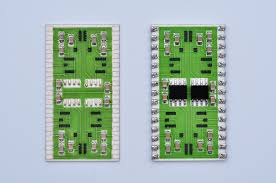
Ceramic PCBs – What is the Typical Lifespan of Ceramic PCBs?
Depending on the type of ceramic material used, these PCBs are also able to provide outstanding electromagnetic interference (EMI) and electromagnetic compatibility (EMC) performance. This is particularly important for applications in radio frequency (RF), microwave, and high-speed digital circuits, where the performance of the semiconductor chips is critical to achieving accurate, low-loss signal transmission.
The ceramic substrate used for these PCBs can be made from a variety of materials, but one of the most common is aluminum nitride (AlN). This material offers a number of significant benefits that make it an excellent choice for this type of application. For example, it has an excellent thermal conductivity of 25 to 330 W/(m*K), which is far higher than that of FR-4. It also has a low coefficient of expansion, which helps to maintain stability and consistency across the board at high temperatures.
Another benefit of AlN is its exceptional electrical properties, especially at high frequencies. Its dielectric constant closely matches that of silicon, which ensures a tight fit for the semiconductor chip and makes it a highly reliable material. Additionally, it has low losses at high frequencies, which is a key consideration in high-speed digital and RF circuits.
The production of a ceramic PCB starts with the creation of the substrate, which is typically made from high-purity alumina or aluminum nitride powders mixed with organic binders and solvents to form a paste. This is then subjected to tape casting or a similar process to create a thin sheet of ceramic. The resulting PCBs are known as high-temperature co-fired ceramic (HTCC) circuits, as they are capable of maintaining their structural integrity and electrical properties even in extreme heat environments. These characteristics are what make them an attractive alternative to FR4 PCBs for harsh-environment applications, such as aerospace and automotive electronics.