
flexible circuit board manufacturers handle vibrations and shocks
Flexible circuit boards (flex PCBs) are increasingly utilized in applications where they are subjected to vibrations and shocks, such as automotive electronics, aerospace systems, and handheld devices. To ensure the reliability and performance of flex PCBs under such conditions, manufacturers implement specialized design techniques and material choices. In this article, we explore how flexible circuit board manufacturers handle vibrations and shocks to deliver robust and durable products.
One of the primary strategies employed by flexible circuit board manufacturers is the selection of appropriate substrate materials with inherent flexibility and resilience to withstand vibrations and shocks. Polyimide (PI) and polyester (PET) are commonly used substrate materials for flex PCBs due to their excellent mechanical properties, including high tensile strength, tear resistance, and dimensional stability. These materials can absorb and dissipate mechanical stresses caused by vibrations and shocks, minimizing the risk of damage to the circuit traces and components mounted on the flexible substrate.
Moreover, manufacturers incorporate design features and layout considerations to enhance the mechanical robustness of flex PCBs against vibrations and shocks. Reinforcement techniques such as stiffeners, adhesives, and encapsulation layers are employed to provide additional support and stability to critical areas of the flex PCB, such as mounting points for components or connectors. By reinforcing vulnerable areas and distributing mechanical loads effectively, manufacturers can mitigate the effects of vibrations and shocks on the structural integrity of flex PCBs, ensuring reliable operation in harsh environments.
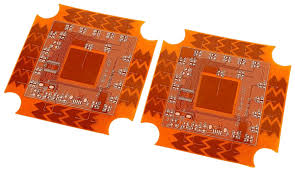
How do flexible circuit board manufacturers handle vibrations and shocks?
Furthermore, flexible circuit board manufacturers implement stringent quality control measures and testing protocols to evaluate the performance and reliability of flex PCBs under simulated vibration and shock conditions. Accelerated life testing (ALT), mechanical shock testing, and vibration testing are among the methods used to assess the durability and resilience of flex PCBs to mechanical stresses. By subjecting prototypes or samples to controlled mechanical loads and monitoring their performance over time, manufacturers can identify potential weak points or failure modes and implement design improvements to enhance the robustness of flex PCBs.
In addition to design and testing, manufacturers employ advanced assembly techniques and materials to enhance the mechanical integrity of flex PCB assemblies in vibration-prone applications. Surface mount technology (SMT) and soldering processes are optimized to ensure strong and reliable connections between components and the flexible substrate. Adhesive bonding techniques, such as anisotropic conductive film (ACF) bonding or epoxy encapsulation, are used to secure components and mitigate the risk of detachment or delamination under mechanical stress. By utilizing high-quality materials and precision assembly techniques, manufacturers can enhance the overall reliability and durability of flex PCB assemblies in challenging operating environments.
Furthermore, flexible circuit board manufacturers collaborate closely with customers and industry partners to understand the specific requirements and performance criteria of their applications. By leveraging their expertise in flexible circuit design and manufacturing, manufacturers can provide customized solutions tailored to the unique needs of each application. Whether it’s optimizing the layout and stack-up of flex PCBs for vibration resistance or selecting materials with the appropriate mechanical properties, manufacturers work collaboratively with customers to develop robust and reliable solutions that meet the demands of their respective industries.
In conclusion, flexible circuit board manufacturers employ a combination of design techniques, material choices, quality control measures, assembly techniques, and collaboration with customers to handle vibrations and shocks effectively. By selecting resilient substrate materials, reinforcing critical areas, conducting rigorous testing, optimizing assembly processes, and customizing solutions for specific applications, manufacturers ensure that flex PCBs can withstand the rigors of vibration-prone environments while maintaining performance and reliability. As the demand for robust and durable electronic devices continues to grow, flexible circuit board manufacturers will remain committed to delivering innovative solutions that meet the challenges of harsh operating conditions and ensure the long-term reliability of electronic systems.