
consistent soldering quality in Pc board assembly
In the intricate landscape of PC board assembly, achieving consistent soldering quality is paramount to the reliability, functionality, and performance of electronic devices. Soldering forms the backbone of electronic assembly, providing electrical connections between components and the PCB. In this article, we explore the essential techniques and strategies employed to ensure consistent soldering quality in PC board assembly, from material selection to process control.
Material selection stands as the foundation for ensuring consistent soldering quality in pc board assembly. Choosing high-quality solder paste, flux, and solder alloys is essential for achieving reliable solder joints with optimal wetting, adhesion, and conductivity. Solder paste with appropriate particle size distribution, flux activity level, and viscosity ensures consistent printing, reflow, and wetting properties, facilitating uniform solder joint formation. Similarly, selecting solder alloys with the right composition and purity levels helps minimize defects such as solder joint cracking, voiding, and brittleness, ensuring long-term reliability and performance of electronic devices.
Furthermore, implementing robust process control measures is essential for maintaining consistent soldering quality throughout the assembly process. Controlling critical parameters such as soldering temperature, heating rate, dwell time, and cooling rate during reflow soldering helps ensure uniform solder wetting, fillet formation, and solder joint integrity. Additionally, monitoring and controlling factors such as solder paste deposition, stencil design, and component placement accuracy help prevent defects such as insufficient solder, solder bridging, and tombstoning, ensuring consistent soldering quality across PCB assemblies.
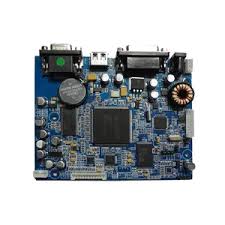
How do you ensure consistent soldering quality in Pc board assembly?
Moreover, implementing proper soldering equipment and technology is crucial for achieving consistent soldering quality in PC board assembly. Utilizing advanced reflow soldering ovens, selective soldering machines, and soldering robots equipped with precise temperature control, flux application systems, and solder nozzle configurations ensures uniform heating, flux activation, and solder deposition, minimizing variation in soldering results. Additionally, incorporating automated optical inspection (AOI) systems and X-ray inspection equipment enables real-time monitoring and detection of soldering defects, facilitating timely corrective action and continuous improvement of soldering processes.
In addition to material selection and process control, implementing comprehensive training and quality assurance programs for personnel involved in soldering operations is essential for ensuring consistent soldering quality. Providing training on soldering techniques, equipment operation, IPC soldering standards, and quality control protocols helps enhance soldering skills, knowledge, and awareness among operators and technicians. Additionally, implementing robust quality assurance measures such as incoming material inspection, in-process monitoring, and final inspection of finished assemblies helps identify and address potential soldering defects early in the production process, ensuring consistent quality and reliability of PCB assemblies.
Furthermore, fostering a culture of continuous improvement and innovation is essential for ensuring consistent soldering quality in PC board assembly. Encouraging feedback, collaboration, and knowledge sharing among cross-functional teams involved in soldering operations enables the identification of root causes of soldering defects and the implementation of corrective and preventive actions to address them. Additionally, staying abreast of industry trends, technological advancements, and best practices in soldering techniques, materials, and equipment enables manufacturers to adopt innovative approaches and methodologies to further enhance soldering quality and efficiency.
In conclusion, ensuring consistent soldering quality in PC board assembly requires a holistic approach that encompasses material selection, process control, equipment technology, personnel training, quality assurance, and continuous improvement initiatives. By implementing these essential techniques and strategies, manufacturers can achieve reliable soldering results, minimize defects, and enhance the quality, reliability, and performance of electronic devices. Consistent soldering quality not only improves product reliability and customer satisfaction but also strengthens brand reputation and competitiveness in the dynamic electronics industry.