
troubleshoot issues in Flex pcb supplier
In the complex landscape of flex PCB manufacturing, troubleshooting issues is an inevitable part of the process. From design inconsistencies to assembly defects, various challenges can arise that jeopardize the quality and functionality of flexible printed circuit boards. Flex PCB suppliers must possess robust troubleshooting methodologies to identify and resolve issues promptly, ensuring that their products meet the highest standards of performance and reliability.
The first step in troubleshooting issues in flex PCB manufacturing is to establish clear communication channels between stakeholders. Effective collaboration between design engineers, manufacturing technicians, quality control personnel, and customers is essential for identifying and addressing problems efficiently. By fostering an environment of open dialogue and information sharing, flex PCB suppliers can leverage collective expertise to diagnose issues accurately and implement effective solutions.
One common source of issues in flex pcb supplier is design-related discrepancies. Errors or inconsistencies in the PCB layout, such as incorrect trace routing, inadequate clearances, or improper component placement, can lead to functional failures or assembly challenges. To troubleshoot design issues, suppliers must conduct thorough design reviews and verification tests, using specialized software tools and simulation techniques to identify potential problems before production begins. Collaborating closely with customers during the design phase can also help ensure alignment with their requirements and specifications, minimizing the risk of design-related issues down the line.
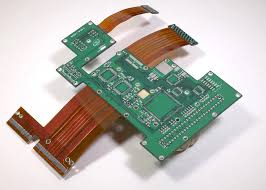
How do you troubleshoot issues in Flex pcb supplier?
Once a flex PCB design is validated, the focus shifts to the manufacturing process, where a myriad of factors can impact product quality. Common manufacturing issues include solder defects, component misalignment, delamination, and mechanical stress-induced failures. To troubleshoot manufacturing issues, suppliers employ a combination of visual inspection, automated testing, and process monitoring techniques to identify anomalies and root causes. For example, automated optical inspection (AOI) systems can detect solder joint defects and component placement errors with high accuracy, allowing technicians to address issues promptly and prevent their recurrence.
In addition to design and manufacturing considerations, environmental factors can also influence the performance and reliability of flex PCBs. Temperature extremes, humidity levels, and exposure to contaminants can all impact the electrical properties and mechanical integrity of flexible substrates. To troubleshoot environmental issues, suppliers may conduct accelerated aging tests, environmental stress screening (ESS), or reliability testing to simulate real-world operating conditions and identify vulnerabilities. By proactively addressing environmental concerns, flex PCB suppliers can enhance the longevity and resilience of their products in diverse application environments.
Furthermore, troubleshooting issues in flex PCB manufacturing often requires a systematic, data-driven approach. Suppliers collect and analyze data at various stages of the production process, from incoming material inspection to final product testing, to identify trends, patterns, and outliers indicative of underlying issues. Statistical process control (SPC) techniques, such as control charts and Pareto analysis, can help prioritize problem areas and guide corrective actions. By leveraging data analytics and continuous improvement methodologies, flex PCB suppliers can iteratively refine their processes and drive ongoing quality enhancements.
In conclusion, troubleshooting issues in flex PCB manufacturing requires a multidisciplinary approach encompassing design validation, manufacturing process optimization, environmental testing, and data-driven analysis. By fostering collaboration, employing advanced inspection and testing technologies, and embracing a culture of continuous improvement, flex PCB suppliers can identify and resolve issues swiftly, ensuring the delivery of high-quality, reliable products to their customers.