
PCBs in LED Lighting
A pcba circuit board is the heart of electronic devices, including smart lighting systems. It houses the microprocessors, memory, and other components that enable a device to function. The pcba also provides a foundation for attaching the battery, antenna, and other peripherals that give your smart lighting system its unique functionality. PCBs are used in a wide range of electronic products, from the smartphone in your pocket to the television in your living room.
The first step in creating an LED PCB is to select the type of LEDs you’ll use. Once you’ve selected your LEDs, you can start designing your circuit using a variety of PCB design software. Choose a PCB design tool that supports your desired design workflow, such as Altium Designer, Eagle, KiCad, or Fritzing. Create a schematic canvas and use the tools in the software to place LEDs, resistors, and drivers. Use the software’s component libraries to save time.
Once you’ve created the LED PCB design, it’s time to procure the necessary components. This step is an essential one that directly impacts production outcomes. It involves selecting and sourcing parts based on performance specifications, form factor, and cost. In addition, it can affect the PCB’s overall quality and manufacturability.
After procuring the components, you’ll need to mount them onto the LED PCB. This is a process that can be done manually or by using automated optical inspection (AOI) or solder paste printing technology. The choice of mounting method depends on the complexity of your design and the available manufacturing processes.
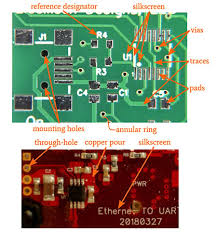
The Role of PCBs in LED Lighting
Next, you’ll need to test the LED PCB for defects and performance. This testing can be conducted using various methods, from visual inspections to in-circuit testing and functional testing. In-process testing can catch any issues early in the manufacturing process and help you improve product quality, reduce costs, and deliver your product on time.
LED PCBs must be made of durable materials to withstand the demands of everyday use and extreme temperatures. The material used and the design of the circuit board determines the durability of the finished product. Research is ongoing to develop even more durable materials and optimize the design of LED PCBs for maximum efficiency and longevity.
While LED PCBs are very durable, they still require careful handling to avoid damage. Moreover, they can be prone to bending and warping due to the weight of components, heat, and vibrations. As a result, it’s important to choose the right PCB manufacturer for your project. Ensure they understand the intricacies of PCB fabrication and assembly and follow best practices to ensure high-quality results. A reliable PCB manufacturer should be upfront about their pricing, technology, and design capabilities. In addition, they should be transparent about their production processes and quality control procedures. If you’re unsure where to start, ask for recommendations from trusted colleagues or peers.