WorldAnimalFoundation.org is reader-supported. When you buy through links on our site, we may earn an affiliate commission. Learn More
Dogs are more than just loyal companions; many breeds possess remarkable intelligence, making them highly trainable and responsive to commands. Canine intelligence isn’t limited to learning tricks—it includes problem-solving abilities, adaptability, and an innate understanding of human emotions. Smart dogs excel in obedience, agility, and even specialized tasks such as search and rescue, herding, and therapy work.
Intelligence in dogs is often measured by their ability to learn new commands, their problem-solving skills, and their level of independence. Some breeds are known for their eagerness to please and exceptional memory, while others display intelligence through their strong instincts and adaptability. Regardless of their specific strengths, these dogs thrive when mentally stimulated and engaged in meaningful activities.
Owning a highly intelligent dog comes with responsibilities. These breeds require consistent training, regular mental challenges, and plenty of social interaction to prevent boredom. Without proper engagement, they may develop destructive behaviors due to their high energy and sharp minds. However, when provided with structured training and positive reinforcement, intelligent dogs become not only well-behaved but also deeply bonded with their owners.
Dog Breeds That Are Smart
1. Alaskan Klee Kai
The Alaskan Klee Kai is a highly intelligent and alert breed, originally bred to be a companion-sized version of the Alaskan Husky. While they share the Husky’s sharp wits, they are more reserved and observant. Their intelligence is often expressed through their problem-solving abilities, which can sometimes make them escape artists if left unattended in a yard.
The Alaskan Klee Kai is highly trainable but requires a firm and consistent approach. They respond best to positive reinforcement techniques, as harsh training can lead to stubbornness or avoidance behaviors.
Socialization is crucial for this breed, as their sharpness is paired with a naturally cautious nature. If not exposed to different people, pets, and environments early on, they may become overly reserved or develop a nervous disposition.
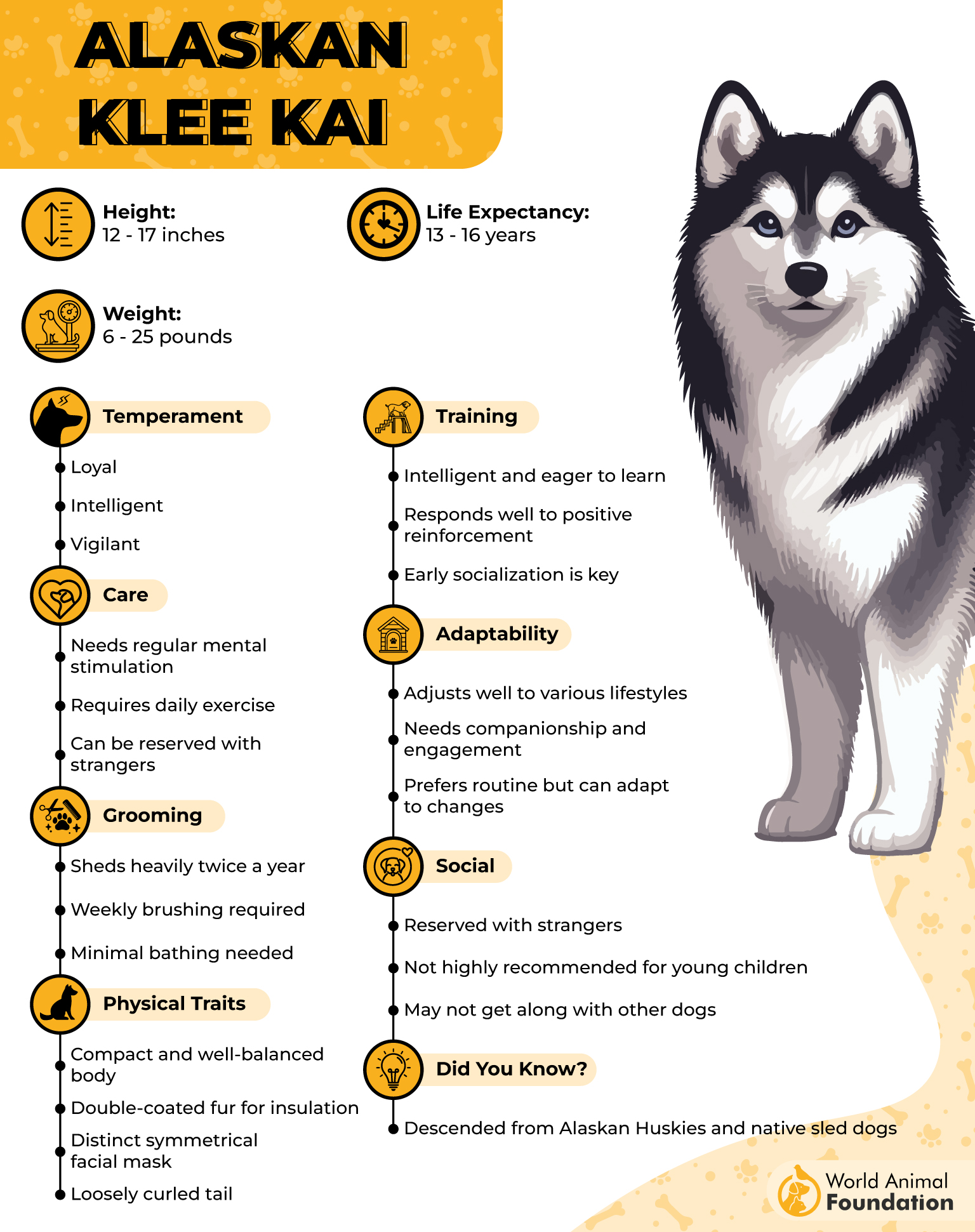
Hill’s Pet says that the Alaskan Klee Kai also demonstrates intelligence through their ability to communicate effectively. They are known for their distinct vocalizations, using a variety of whines, howls, and “talking” sounds to express their needs and emotions. Owners often find them remarkably perceptive, capable of sensing moods and adjusting their behavior accordingly.
Boredom can lead them to destructive tendencies, as they require consistent engagement. Puzzle toys, obedience games, and interactive playtime help keep them mentally and physically satisfied. They also enjoy activities like scent work, where their sharp minds can be put to good use.
Although small in size, their independent thinking makes them a big personality in a compact body. They are quick learners but can also be mischievous if they feel unstimulated. This means owners must be proactive in providing structured training and outlets for their mental energy to ensure a well-balanced and happy dog.
2. American Staffordshire Terrier
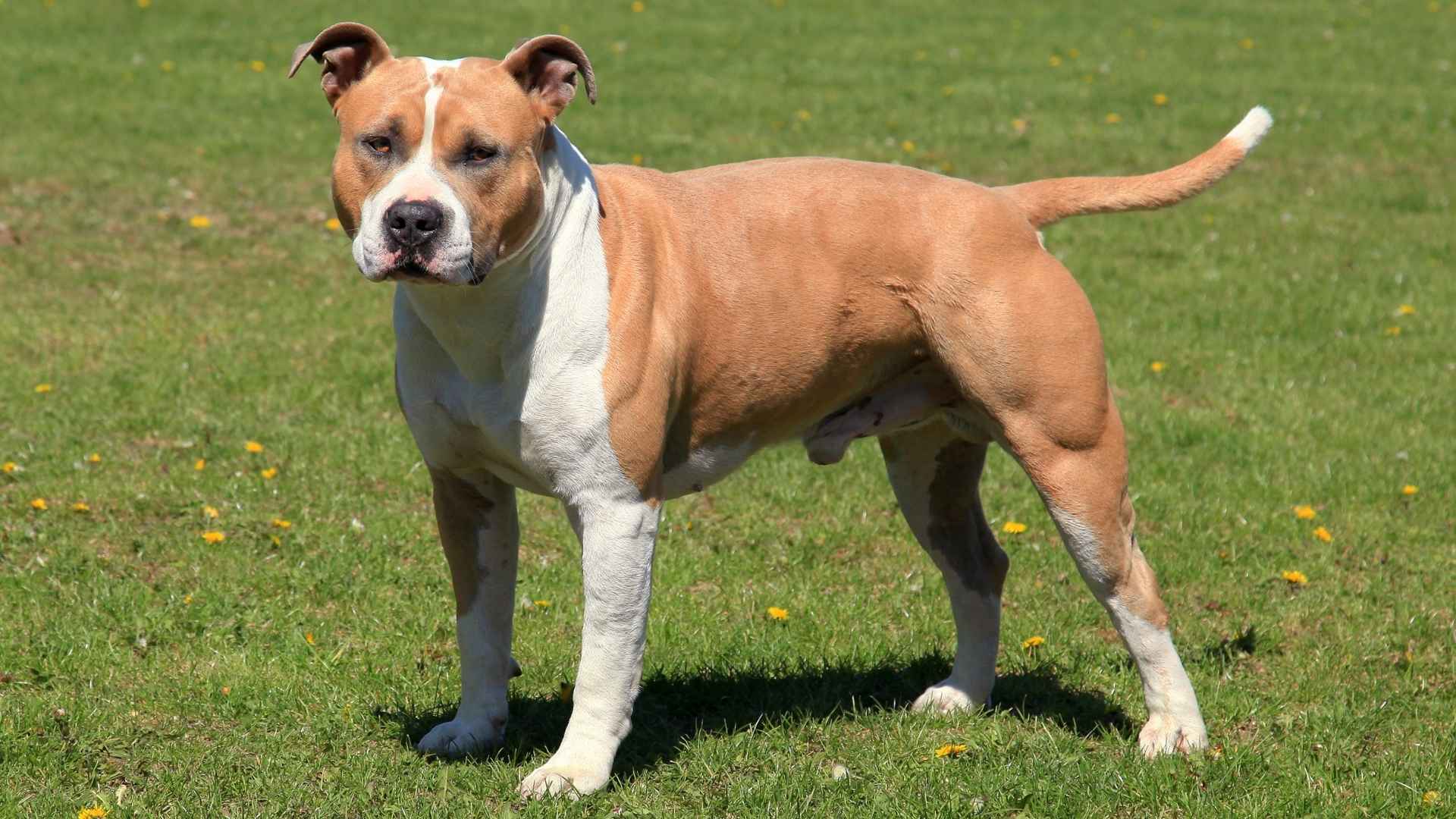
The American Staffordshire Terrier, often referred to as the AmStaff, is a breed renowned for its determination and loyalty. While they have a muscular build and strong-willed personality, their intelligence makes them highly trainable.
They quickly analyze situations. Their natural athleticism and strength, combined with intelligence, allow them to excel in obedience, agility, and even protection work. However, they are also known for their affectionate and playful nature, making them well-rounded companions.
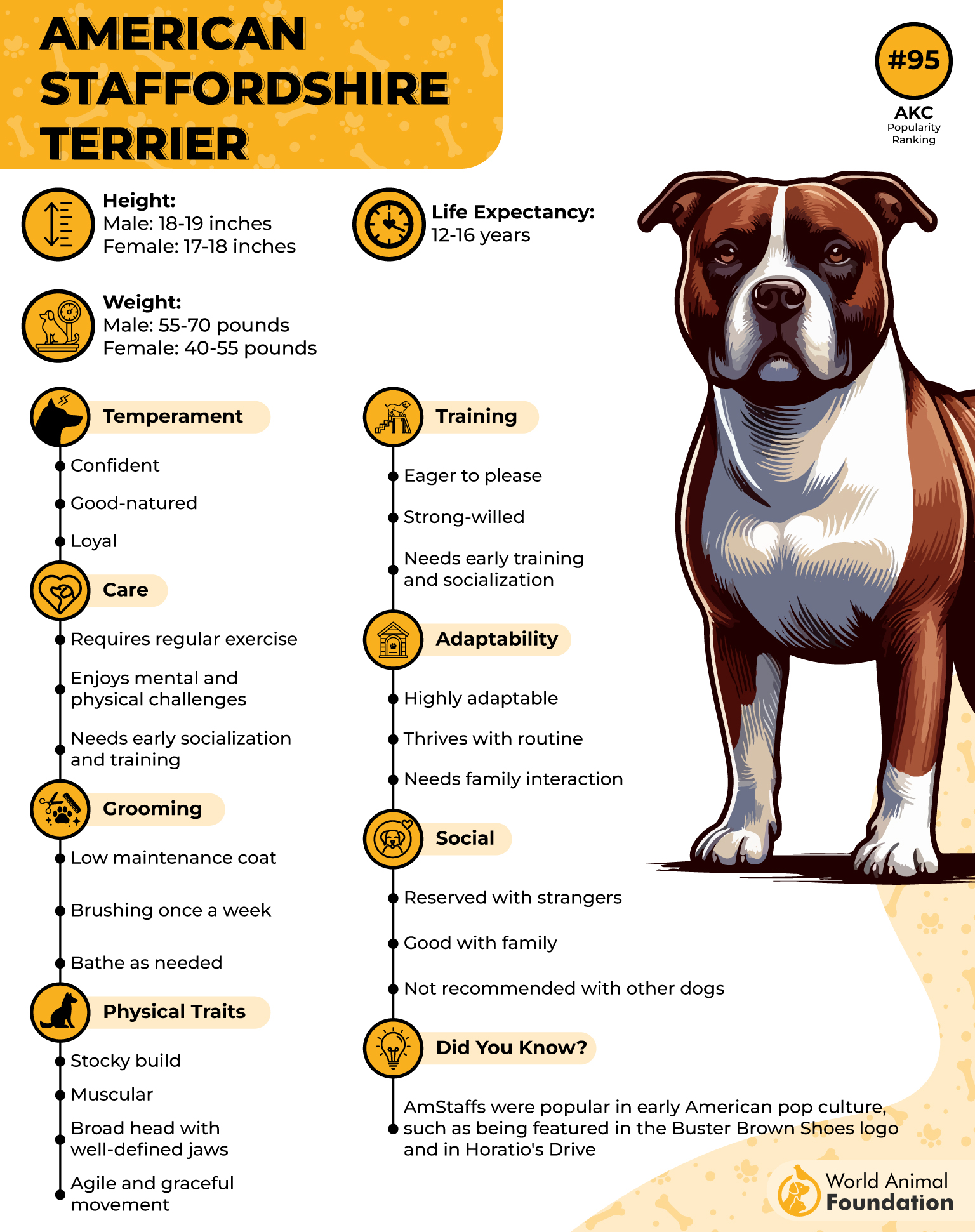
According to AKC, AmStaffs thrive on engagement and structured training. Without clear leadership, their intelligence can lead to stubbornness or dominance, making early training essential. Given their eagerness to please, they respond exceptionally well to training methods that involve rewards and praise.
Their intelligence extends beyond obedience training—they are also emotionally perceptive. AmStaffs form strong bonds with their owners and are particularly attuned to their moods. This makes them excellent companions.
Despite their powerful appearance, they are deeply affectionate and thrive in family environments when properly trained. They are known for their gentle and loving nature with children, demonstrating a surprising level of patience and care. However, they require early socialization to ensure they develop into well-mannered and friendly adults.
For experienced dog owners who appreciate an intelligent and devoted breed, the AmStaff is a fantastic choice. Their combination of strength, smartness, and sensitivity makes them an exceptional companion, capable of excelling in obedience, sports, and as a loving family pet.
3. Appenzeller Sennenhund
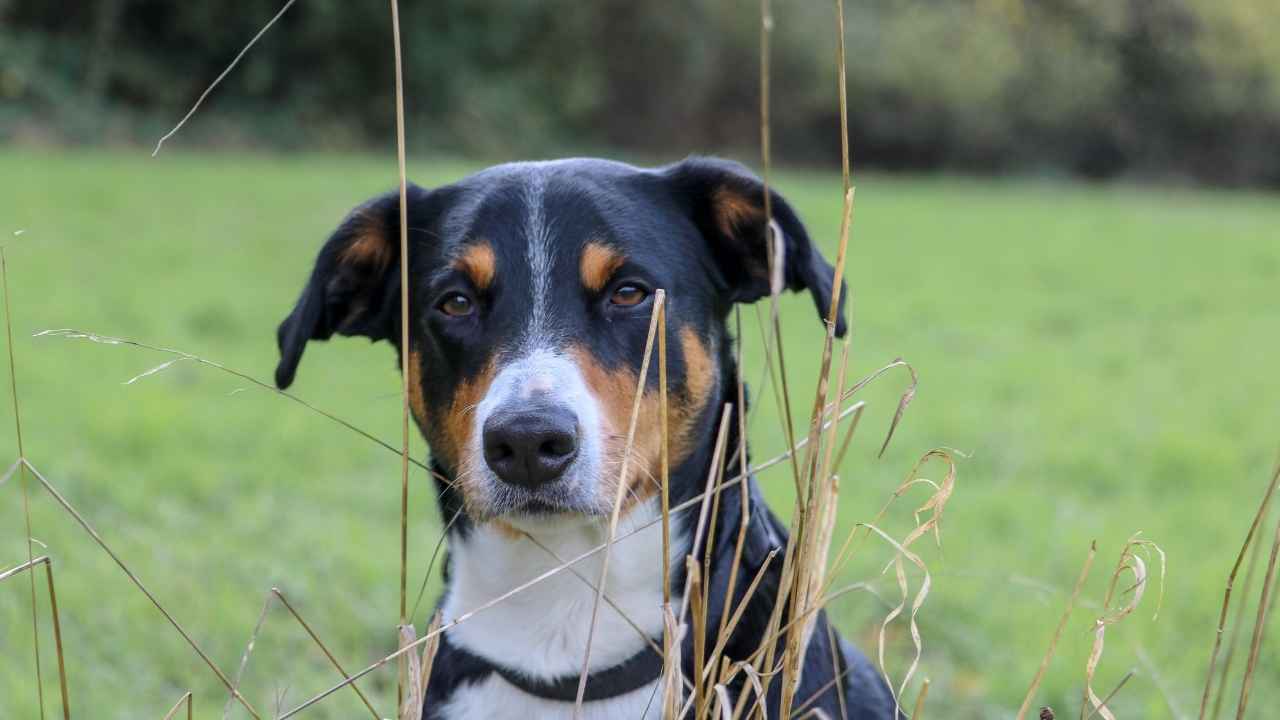
The Appenzeller Sennenhund is an astute and energetic working breed originating from Switzerland. Historically used for herding and pulling carts, this mountain dog possesses remarkable reasoning abilities, allowing it to make quick decisions when managing livestock.
This breed thrives in environments where it has a purpose. Whether guiding animals, participating in agility courses, or assisting in search-and-rescue operations, it enjoys challenges that engage both body and mind.
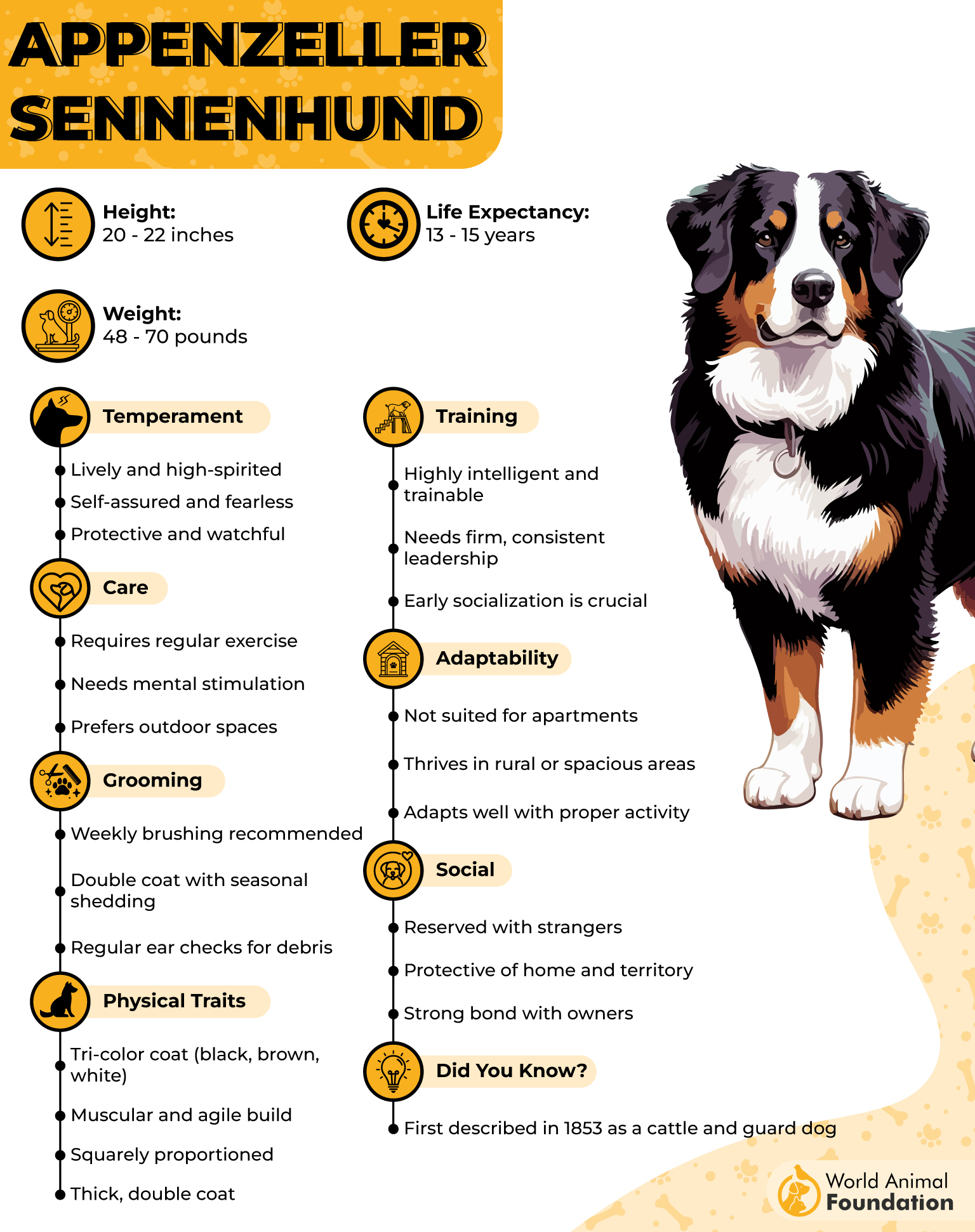
Though naturally confident, it can be suspicious of strangers if not introduced to diverse environments early in life, says AKC. Proper exposure to different settings helps shape a well-rounded temperament, making it an excellent guardian and devoted companion.
Training this breed requires patience and consistency. While it grasps commands swiftly, its independent nature sometimes leads to testing boundaries. When trained properly, an Appenzeller demonstrates outstanding cooperation and can master complex commands with ease.
One of the breed’s most notable qualities is its communication style. Rather than simply following orders, it tends to engage with its handler through expressive body language and sounds, almost as if it is responding in a conversation. This interactive nature enhances the bond between the dog and its family.
Daily exercise and problem-solving activities are essential to keeping this breed balanced. Tasks such as fetch, scent tracking, or structured training exercises tap into its natural instincts, preventing frustration or destructive behaviors. Mental stimulation is just as crucial as physical exertion.
4. German Shepherd
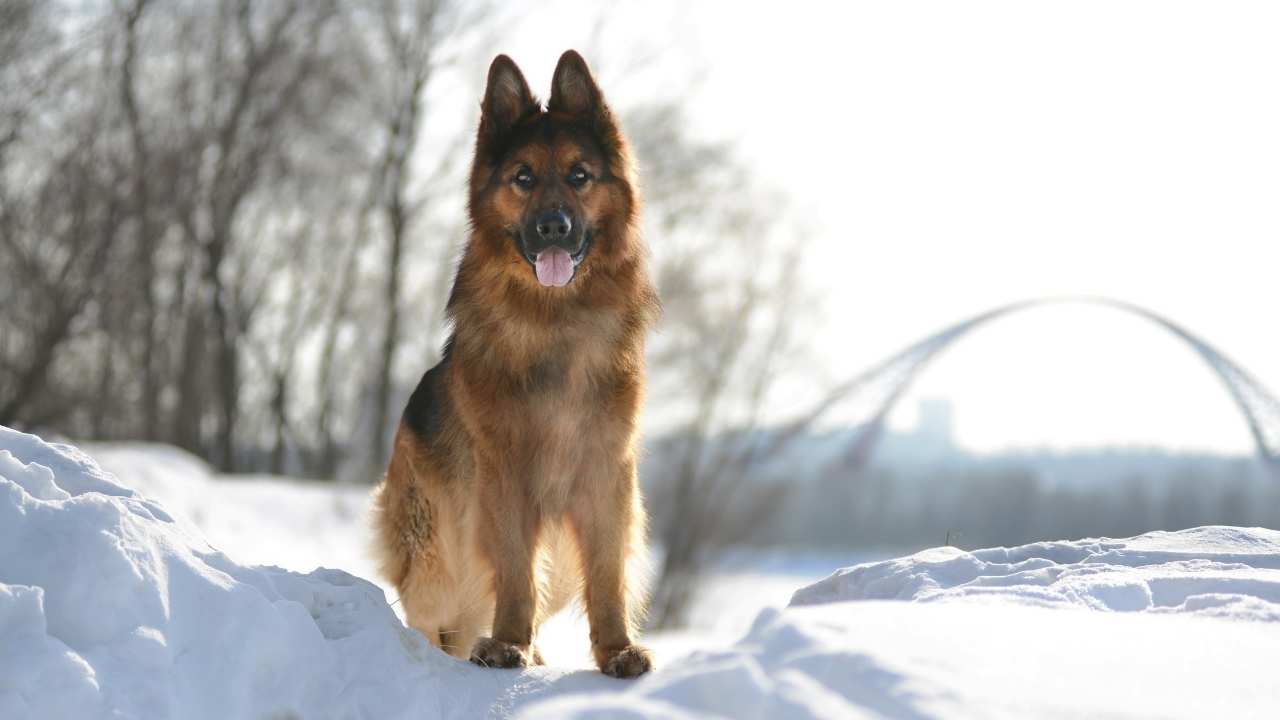
The German Shepherd is widely recognized for its exceptional cognitive abilities, adaptability, and versatility. As one of the most sought-after service and working dogs, this breed demonstrates an impressive ability to learn, analyze situations, and execute complex tasks with precision.
German Shepherd memory is remarkable. It can retain and recall commands long after initial training, making it a favorite in police and military roles. Whether detecting explosives, assisting in search-and-rescue missions, or aiding individuals with disabilities, it is highly dependable in high-stakes environments.
Despite its disciplined nature in working roles, this breed also exhibits a strong desire for companionship. It is deeply attuned to its owner’s emotions, offering comfort and reassurance during stressful situations.
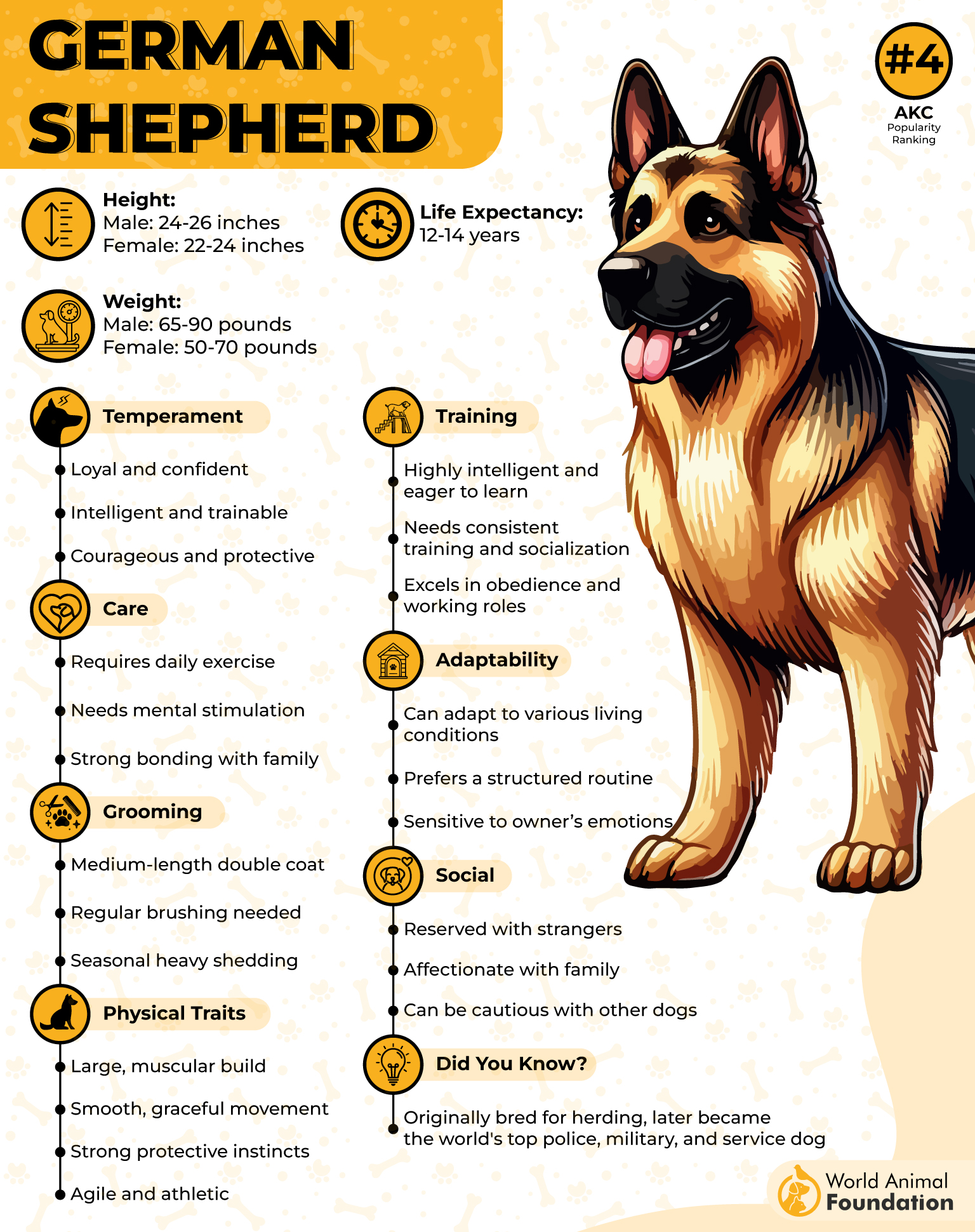
Owners often find that activities like advanced obedience training, scent tracking, or interactive games help maintain a sense of fulfillment. The German Shepherd requires consistent engagement, both physically and mentally.
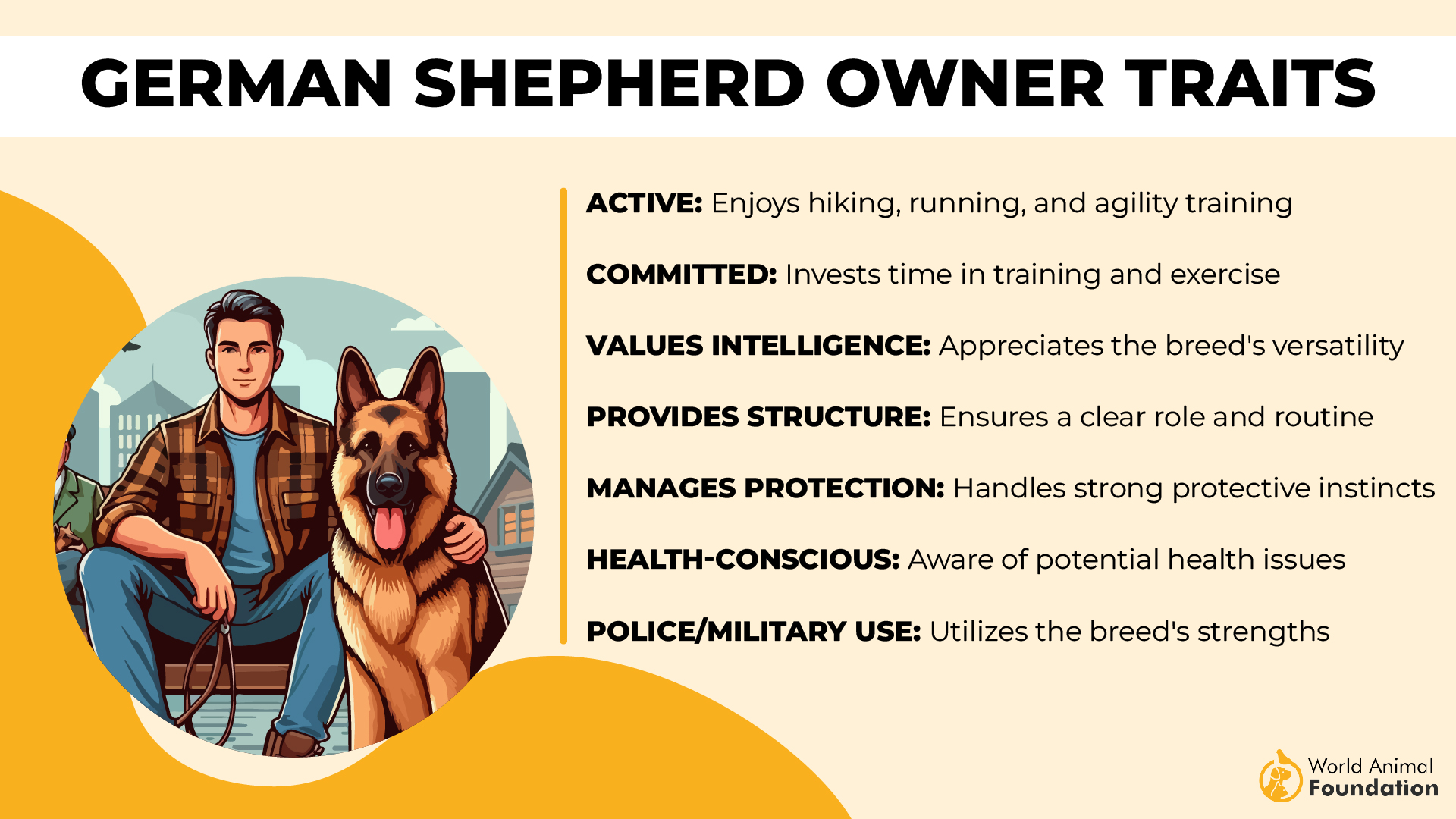
This breed’s problem-solving skills set it apart. It doesn’t just follow commands—it understands them. When faced with a challenge, it assesses the situation and determines the best course of action. This analytical mindset is what makes the German Shepherd stand out among working breeds.
Overly harsh correction methods can lead to distrust, while inconsistent training may cause it to develop stubborn tendencies. A structured approach with clear expectations brings out the best in this breed, resulting in a cooperative and well-mannered companion.
5. Labrador Retriever

The Labrador Retriever is widely recognized for its keen ability to interpret human cues and respond with remarkable efficiency. Originally bred as a retrieving dog for fishermen and hunters, this breed has an exceptional capacity for learning.
This smart breed quickly memorizes commands and retains them for long periods, making training a seamless experience for dedicated owners. It is particularly adept at associating words with actions, often responding to verbal and non-verbal signals with little hesitation.
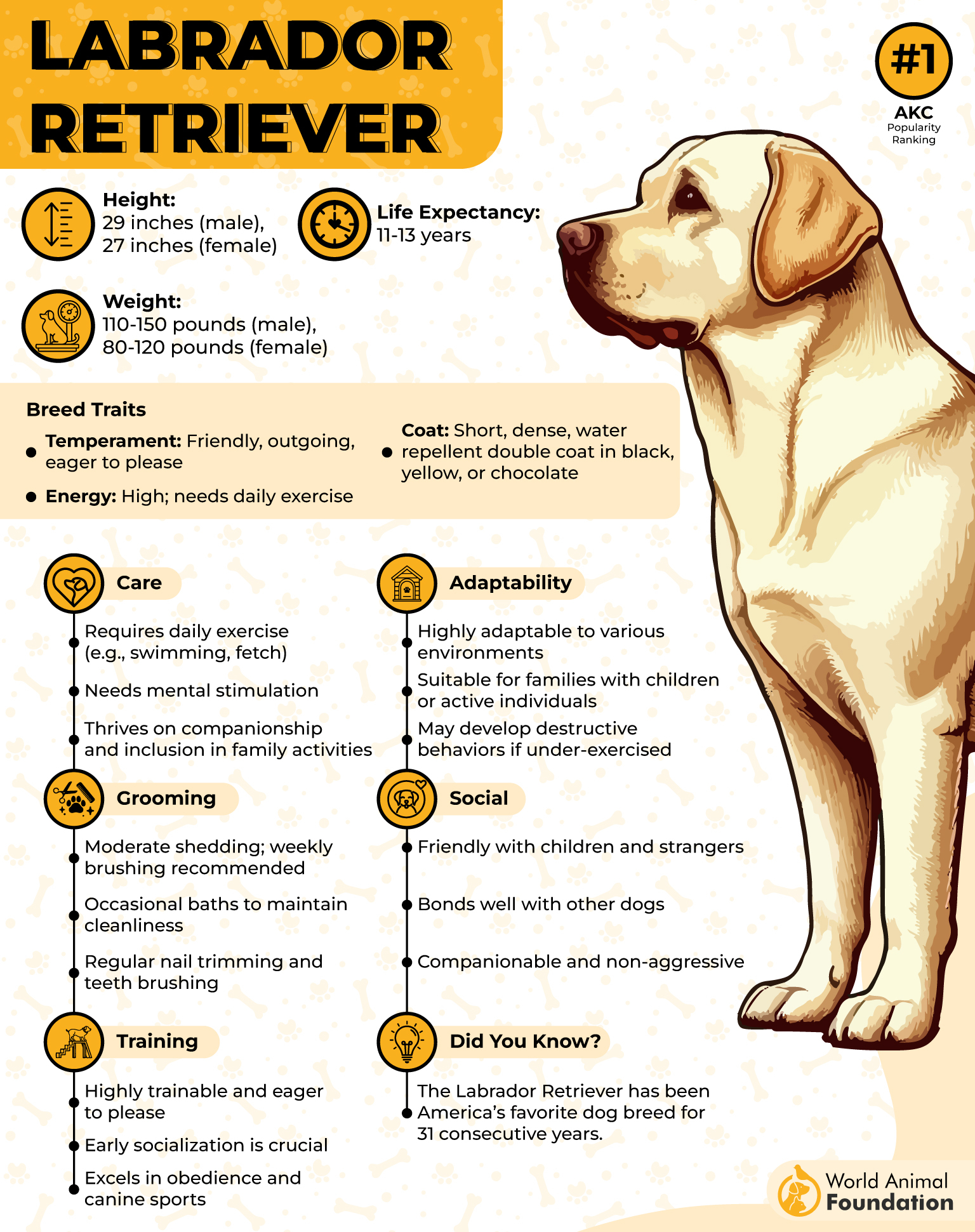
Whether figuring out how to retrieve an item from an unusual location or navigating obstacles during agility training, it uses both instinct and reasoning to accomplish tasks efficiently. This makes it a top contender in dog sports and advanced obedience training.
One of the breed’s lesser-known strengths is its observational skills. It carefully watches human expressions and body language, allowing it to respond appropriately in various situations. This ability to “read the room” is one reason why Labradors excel in therapy work.
To maintain a balanced temperament, proper exercise and mental stimulus are essential. Activities such as scent work, retrieving exercises, and advanced obedience drills keep its sharp mind engaged. Without sufficient engagement, it may resort to chewing or other destructive behaviors as an outlet for its energy.
6. Rottweiler
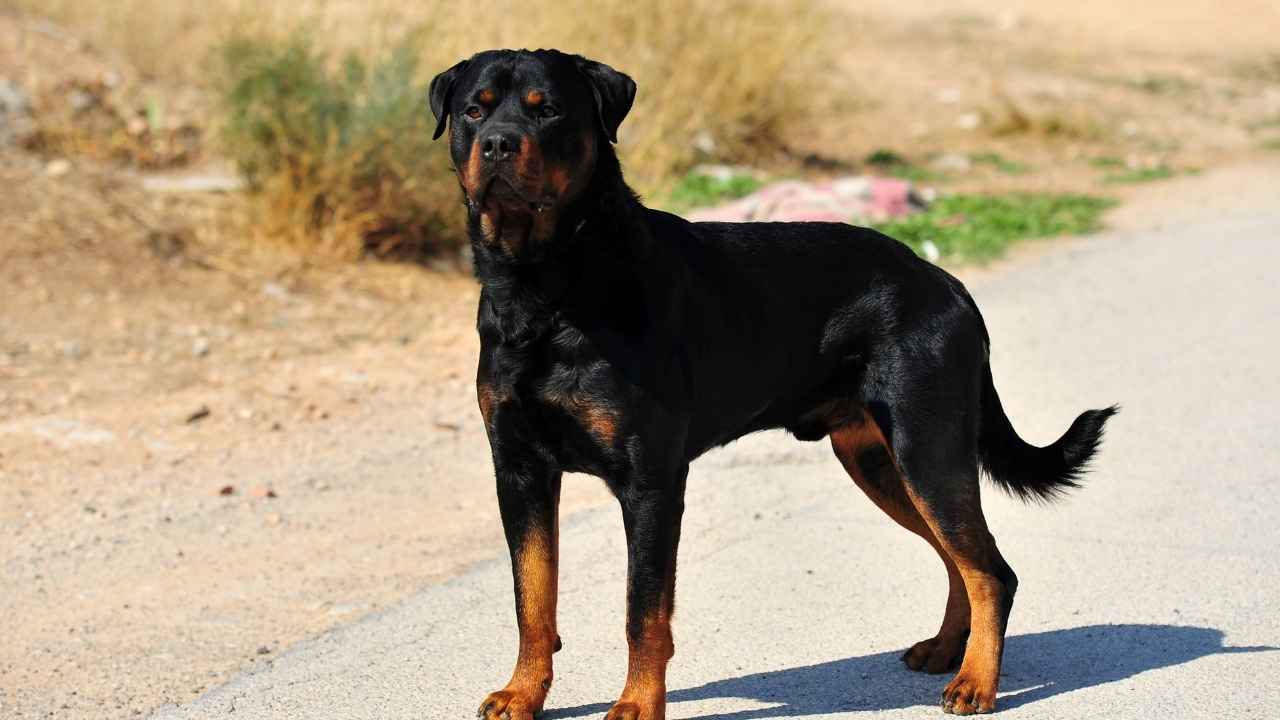
The Rottweiler is a powerful and astute breed known for its ability to assess situations with precision, as per AKC. Originally developed for herding and guarding livestock, it possesses a unique combination of observational skills and decisive action, making it one of the most dependable protection breeds.
The Rottweiler has an instinctive ability to gauge threats and react accordingly. This makes it a formidable guardian, as it does not act impulsively but rather evaluates situations before making a move. This calculated approach is a testament to its sharp reasoning abilities.

In training, this breed displays an impressive aptitude for structured learning. It needs consistency and clear leadership, quickly grasping commands and executing them with precision. However, its strong-willed nature requires firm yet fair handling to ensure it remains responsive rather than resistant.
Beyond its working capabilities, this breed forms strong attachments to its family. It observes household dynamics carefully and often acts in a manner that reflects its understanding of relationships. This awareness allows it to distinguish between normal social interactions and potential threats, reinforcing its role as a vigilant protector.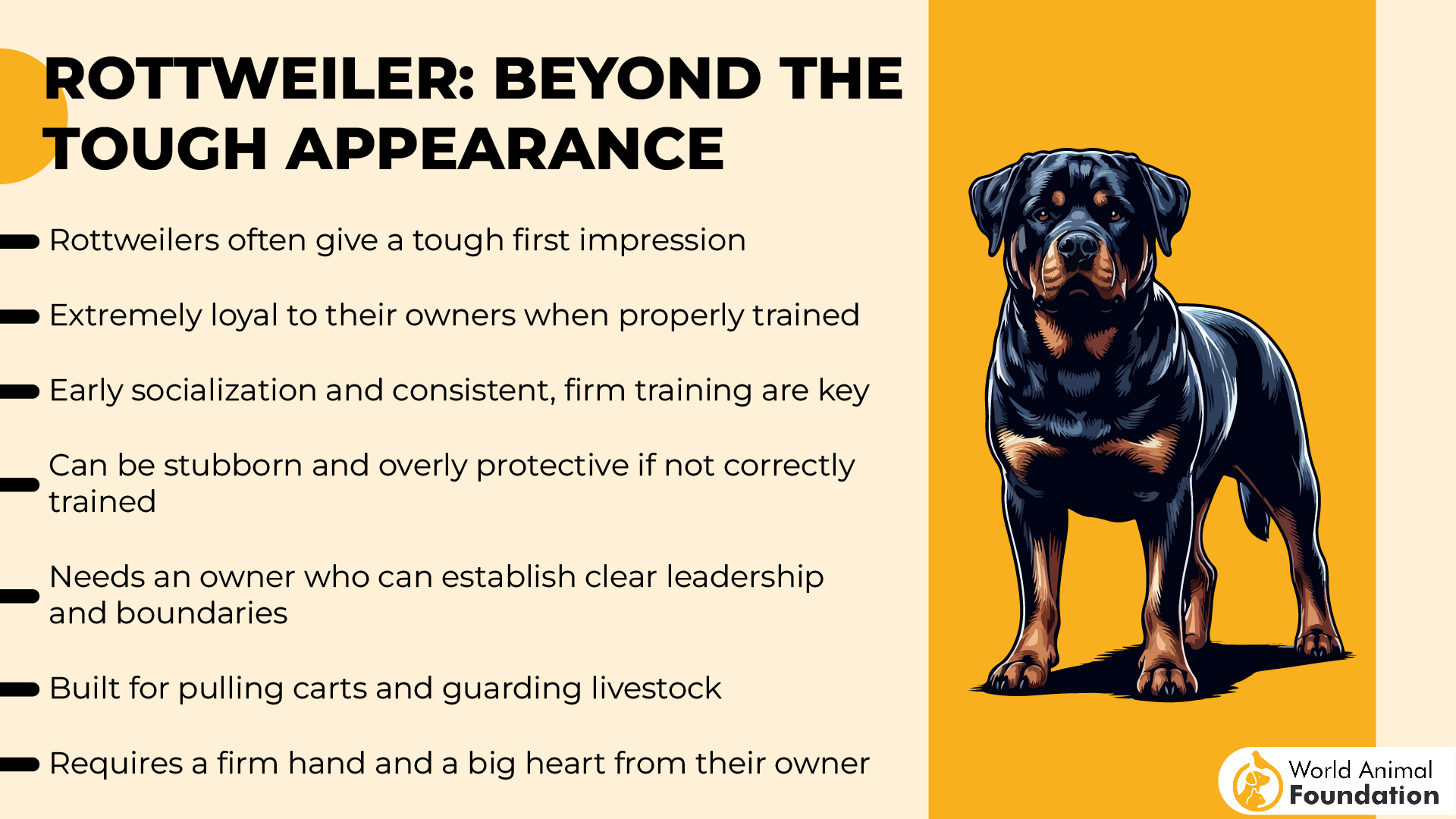
To keep its sharp mind engaged, mental stimulation is just as important as physical exercise. Engaging in structured activities such as protection training, scent tracking, and puzzle-solving exercises prevents boredom and enhances its ability to make quick yet measured decisions.
7. English Springer Spaniel
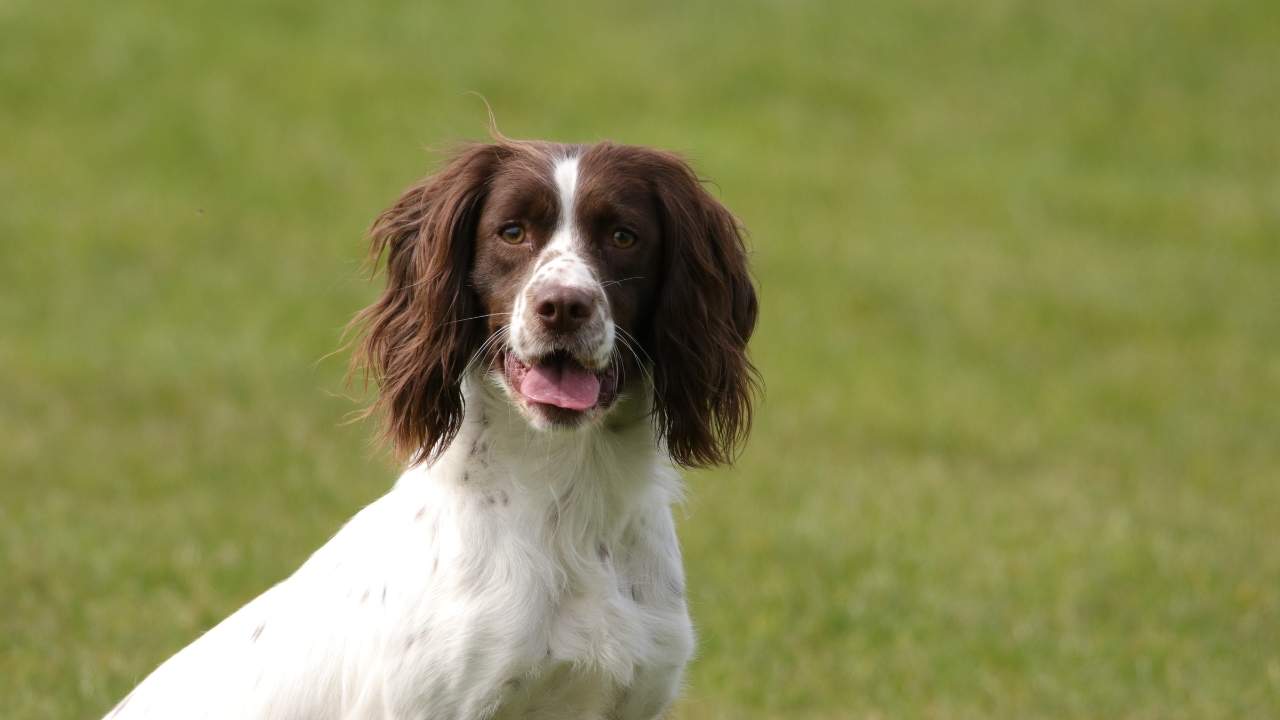
The English Springer Spaniel is a cheerful, loyal breed originally developed for flushing game birds. Known for its rapid learning capabilities and enthusiastic approach to training, this breed is highly skilled at following complex commands and working closely with handlers in the field.
Unlike some breeds that require multiple repetitions to master a task, the Springer Spaniel picks up new commands quickly and retains them with minimal reinforcement. This makes it a top performer in obedience competitions, hunting trials, and scent detection work, where quick responses are essential.
An often overlooked trait of this breed is its ability to think ahead. When working in the field, it anticipates movements based on environmental cues, allowing it to react proactively rather than waiting for direction. This predictive ability is especially useful in advanced hunting and search-and-rescue scenarios.
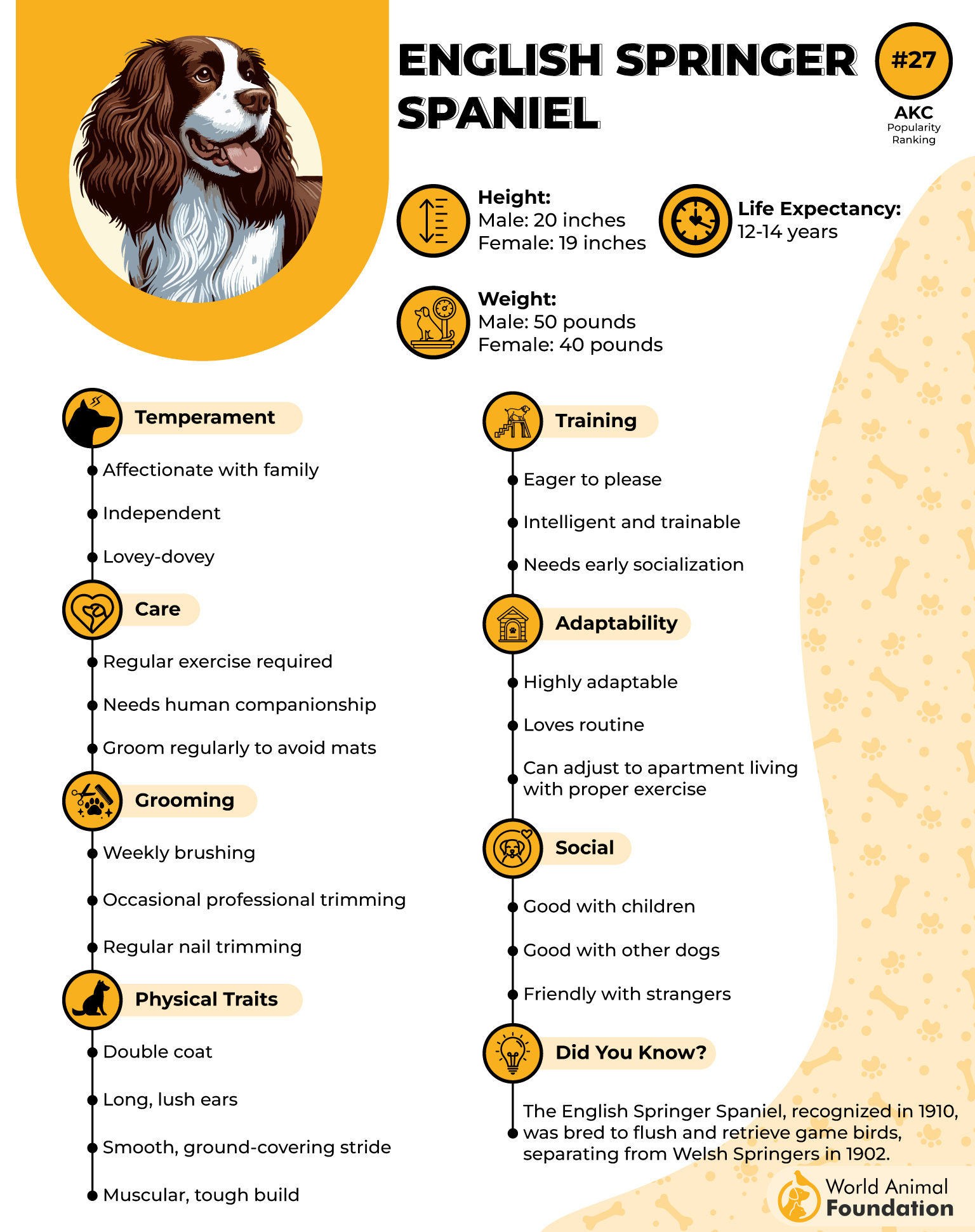
In addition to its quick learning, this eager-to-please breed has an incredible sense of smell. It uses scent detection not only for hunting but also in police and customs work, where it excels at identifying contraband substances. Its precision in tracking scents showcases its ability to process information and act accordingly.
This breed is also highly in tune with human emotions, often adjusting its behavior based on the mood of its owner. This sensitivity makes it an excellent candidate for therapy and assistance roles, where understanding non-verbal cues is crucial. It thrives in environments where it can form strong bonds and engage in meaningful interactions.
Conclusion
Dog breeds that are smart possess an exceptional combination of canine intelligence, adaptability, and strong desire to work alongside humans. Many of these intelligent dog breeds, such as the Border Collie, Australian Shepherd, and Shetland Sheepdog, were originally bred for herding sheep, developing keen instincts and quick decision-making abilities. Others, like the German Shepherd and Doberman Pinscher, excel in service dog roles, using their alert nature and muscular body to perform demanding jobs.
For dog owners, raising an intelligent pup requires dedicated training, early socialization, and consistent mental stimulation. Without engaging in activities, these energetic dogs may become bored, leading to undesirable behaviors. Many of the smartest dog breeds thrive in obedience competitions and agility courses, where their boundless energy and ability to follow complex commands shine.
Toys designed for problem-solving, leash training, and structured routines help maintain their sharp minds. Flat-Coated Retrievers, Labrador Retrievers, and Golden Retrievers, known for their affectionate nature, are particularly well-suited for therapy and assistance work, providing unwavering support to their owners.
From the Poodle, whose origins trace back to specialized water retrieval, to the Belgian Sheepdog, known for its ability to herd and protect, each breed has unique strengths that make them stand out. Whether working as a guide dog, competing in agility, or serving as a beloved family pet, these breeds demonstrate exceptional intelligence and devotion.